A Natural Solution for California's Herds: African Catfish Peptides

California's cattle producers and agricultural communities are all too familiar with the rising challenge of antibiotic resistance, making common bacterial infections harder to treat in livestock. But imagine a future where we could tackle these infections with a natural, powerful alternative. Our research points to just that: antimicrobial peptides (AMPs) found in African catfish.

We're really excited about these peptides because African catfish thrive in pathogen-rich freshwater, naturally producing these robust immune compounds in their skin mucus as a defense. This natural origin makes them highly appealing alternatives to synthetic drugs.

Predicted Safety and Potent Action

One of the most compelling aspects of these AMPs is their predicted safety for mammals. Our initial computer analyses suggest that various catfish AMPs are generally recognized as safe (GRAS). We predict they'll be absorbed in the human intestine without causing liver, brain, or heart toxicity. Furthermore, lab tests on a promising peptide, NACAP-II, confirmed it was non-hemolytic, meaning it didn't damage rabbit red blood cells—a strong indicator of its potential safety for mammalian cells.

Beyond safety, these peptides demonstrate effectiveness against problematic bacteria. One study revealed NACAP-II's strong activity against Extended-Spectrum Beta-Lactamase (ESBL)-producing Escherichia coli—a critical concern for both animal and human health due to its resistance to many common antibiotics. Another peptide, ACAP-IV, also showed antibacterial activity against E. coli and Staphylococcus aureus. We believe these AMPs work by directly disrupting bacterial cell membranes, a mechanism that makes it harder for bacteria to develop resistance compared to how they resist traditional antibiotics.
Primary Image
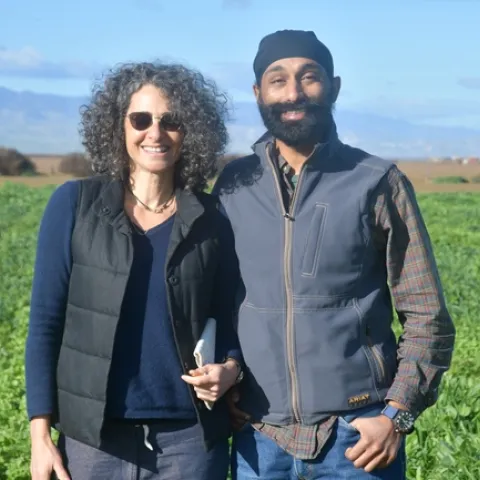
Soil sampling
Notes in the Margins: Agronomy and Weed Science Musings: Article

Participate in an upcoming soil health survey!

November 20, 2018
While soil health is currently a big buzzword in CA agriculture, UC Davis researchers want to dig into how managing CA soils to build soil health indicators impacts a grower's crop management decisions, productivity, and economic bottom line.
View Article
Primary Image
Chris and Nancy Brown embrace while searching through the remains of their home, leveled by the Camp Fire in Paradise, California
Noah Berger/AP
California 4-H Grown: Article

How 4-H'ers can help with disaster relief

November 19, 2018
By Suzanne Morikawa
The past few years California and the nation have faced devastating natural disasters. When we see images of devastation and loss on the news and Internet our first instinct is to mobilize, organize, and help those that are in need.
View Article
Primary Image
Mark B. still had a great view in Almanor this past weekend
ANR Adventures: Article

Awaiting full containment

November 19, 2018
By Wendy Powers
I know we are all grateful that the Woolsey Fire is nearly contained and are anxious to hear that the Camp Fire has been fully contained as well.
View Article
Primary Image
Persimmon cultural practices lecture.
UC ANR South Coast REC Field Events, Workshops, and Extension: Article

Persimmon Harvest Workshop November 2018

November 19, 2018
By Tamara J Majcherek
2018 was a tough year on the Persimmon harvest here at South Coast REC. The lack of rain and high temperatures during the bloom which causes the pollen to dry too quickly, did not provide a bountiful harvest of fruit this year.
View Article
Primary Image
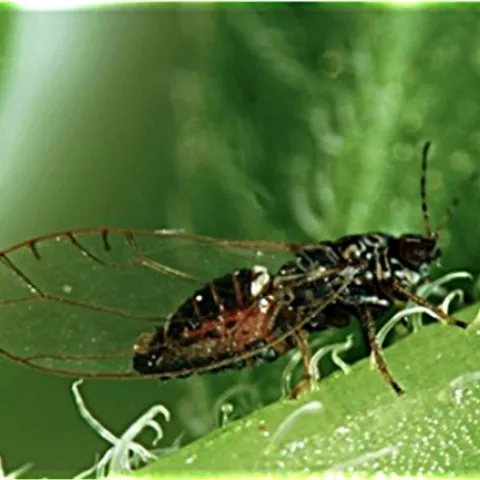
Lewis mite. Photo courtesy Anna Howell, UCCE
Strawberries and Caneberries: Article

Heads Up on Lewis Mite

November 19, 2018
By Mark P Bolda
I had a pretty sharp eyed PCA stop by my office just this morning with a sizable sample of what turned out to be Lewis mite from a newly planted field of strawberries.
View Article
Article

Communicating Your ANR Story – Goal 15

November 19, 2018
By Pamela S Kan-Rice
Dear ANR Colleague: As ANR researchers and educators, outreach is essential to our organization's mission. At our core, humans are storytellers. Stories that resonate can make the information contained in the story more relatable and memorable.
View Article
Primary Image
fire 1
Topics in Subtropics: Article

Fire Information for Avocado and Citrus Growers

November 19, 2018
By Ben A Faber
The following is a compendium of blogs for growers that arose out of the recent fire damage in the Santa Barbara/Ventura area: https://ucanr.edu/blogs/blogcore/postdetail.cfm?postnum=26670 https://ucanr.edu/blogs/blogcore/postdetail.cfm?postnum=28711 https://ucanr.edu/blogs/blogcore/postdetail.
View Article