Nutrition & Health

Primary Image
Seedlings, sunflower, and pomegranates represent spring, summer, and fall in the garden/
UC Master Gardeners of Butte County: Page

Garden Guide & Three-Year Journal

The Butte County Garden Guide and Three-Year Journal is compiled and edited by the UC-trained Master Gardeners of Butte County. This county-specific book contains tips for every home gardener.
View Page
Nutrition Policy Institute: Page

Best of Science Letters

The Nutrition Policy Institute's mission is to conduct and translate policy-relevant research to transform environments for healthy children, families and communities. While federal agencies must solicit input via public comment periods, Best of Science Letters may be used to translate the evidence base to…
View Page
Sacramento 4-H: Page

4-H Cooking Academy

The 4-H Cooking Academy Project is a cooking-based nutrition education program that teaches youth basic nutrition and cooking skills. The 4-H Cooking Academy aims to improve youth attitudes, knowledge and skills in food choices and preparation.
View Page
Primary Image
Square wooden cage for tomato support
UC Master Gardeners of Santa Clara County: Page

Tomato Staking Techniques

This is a summary of what we learned from our 2001 tomato project in regards to tomato staking methods. We grew just over a hundred varieties of mostly heirloom tomatoes at the now closed University of California Bay Area Research and Extension Center facility in the City of Santa Clara.
View Page
Primary Image
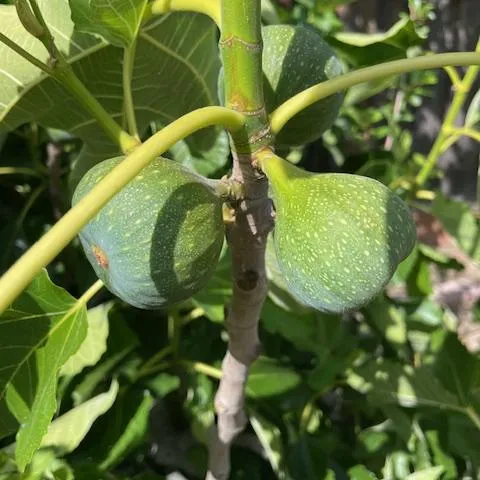
fig tree, Sharon McCray
UC Master Gardeners of Santa Clara County: Page

Fig

When to plant: Early spring, while still dormant Harvest window: Many will yield fruit during two windows: May to June, then again August to October, depending on variety. Here is a video on how to harvest figs. Fertilization: If needed, a light application of nitrogen in early spring, while the tree is…
View Page
Primary Image
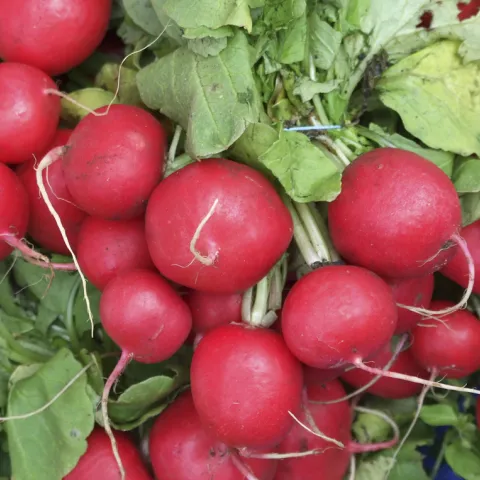
Bunch of red radishes, MorgueFile free photo
UC Master Gardeners of Santa Clara County: Page

Radishes

Radishes are grown for their crisp, spicy roots, but the entire plant is edible. The tops can be eaten like turnip or mustard greens, and some varieties are grown for edible seed pods.
View Page
Primary Image
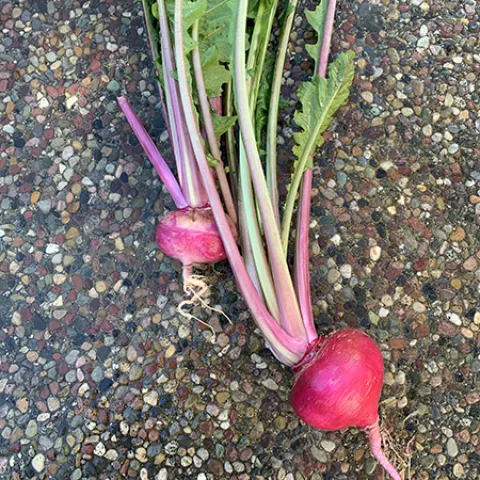
Veg-Turnip-Scarlet-Ohno-Revival-MG-Susan-Casner-Kay
UC Master Gardeners of Santa Clara County: Page

Turnips

Turnips are a cool season root vegetable that grows best between 50 and 65°F. Higher temperatures may produce strong-flavored roots. The leaves are edible and are referred to as “turnip greens”.
View Page
UC Master Gardeners of Central Sierra: Page

Central Sierra | Master Gardeners | March Gardening Tips

Prune grapes and roses. Cleanup: remove mummy fruit and blighted limbs on stone fruit to reduce brown rot. Remove and destroy fallen leaves to reduce peach leaf curl. Mulch cane berries, cut out all old canes and reset new canes in twine.
View Page
Primary Image
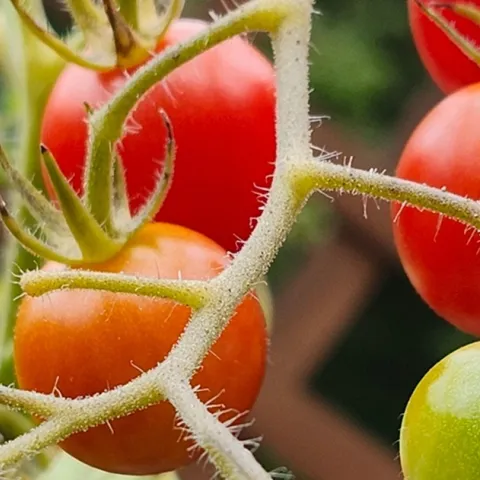
growing cherry tomatoes in Sonoma County
UC Master Gardener Program of Sonoma County: Page

Cherry Tomatoes

Cherry tomatoes have become a home-garden favorite not only for their small size, perfect for snacking and salads, but also for their early and long-lasting harvest. Because they produce so abundantly, one standard plant is sufficient for a family of four.
View Page
Primary Image
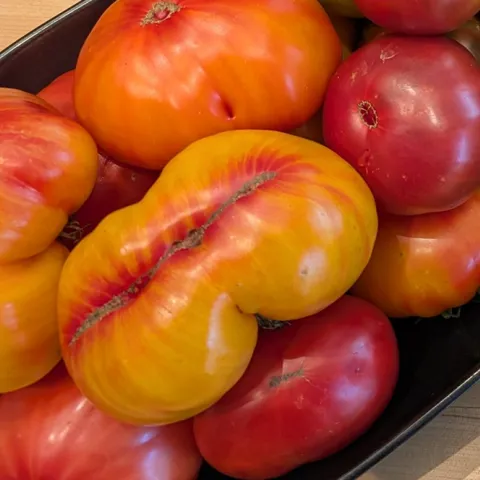
Expert tomato growing tips for Sonoma County Home Gardeners
UC Master Gardener Program of Sonoma County: Page

Tomatoes

Learn how to grow healthy tomatoes in your Sonoma County home garden; select, grow and manage pests and diseases with expert advice.
View Page