Bug Squad

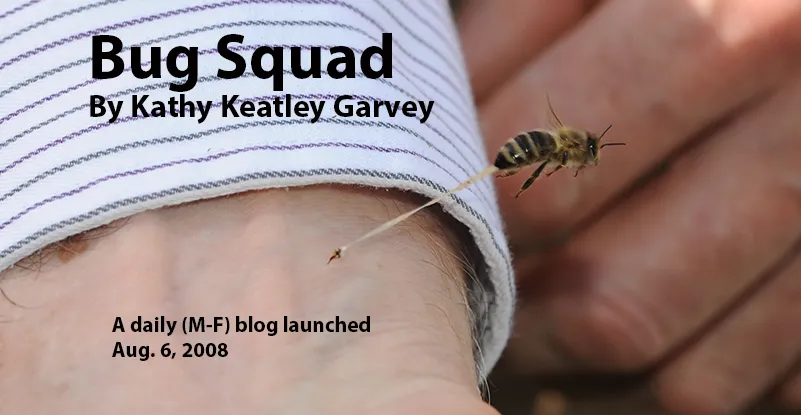
A daily (M-F) blog launched Aug. 6, 2008 and about the wonderful world of insects and those who study them. (Photo by Kathy Keatley Garvey)
Primary Image
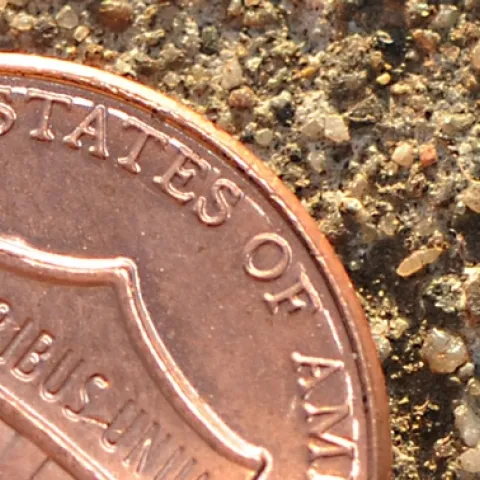
A springtail (look to the right of "of the") next to a penny. (Photo by Kathy Keatley Garvey)

Collembola!

August 18, 2011
Collembola! Watch the springtails spring! Over the last several days, Art Shapiro, professor of evolution and ecology at the University of Caifornia, Davis, has patrolled a UC Davis sidewalk checking out a huge volume of springtails.
View Article
Primary Image
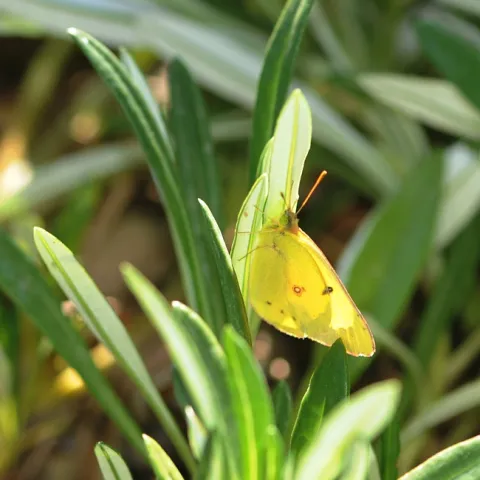
Yellow sulphur butterfly ready for take-off. (Photo by Kathy Keatley Garvey)

Butterfly Fancy

August 17, 2011
Noted butterfly expert Art Shapiro of UC Davis sees about 40 yellow sulphur butterflies, aka alfalfa butterflies, during alfalfa-cutting time. We saw one yesterday. It was fluttering over by the tennis courts, corner of Russell Boulevard and Howard Way, on the University of California, Davis campus.
View Article
Primary Image
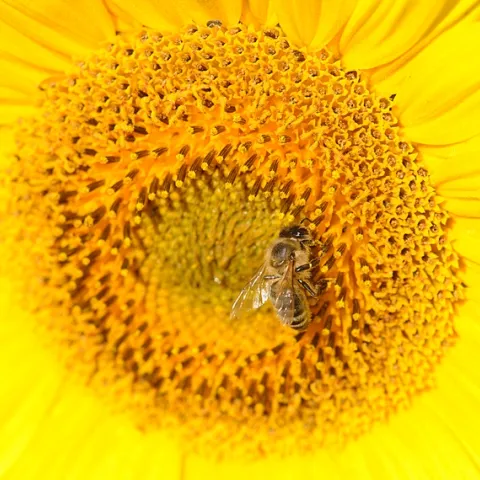
Honey bee foraging on sunflower in a field off Pedrick Road, Dixon. (Photo by Kathy Keatley Garvey)

Bee Heaven

August 16, 2011
A field of green ribboned in yellow. Anyone who drives down Pedrick Road in Dixon, Calif., and sees the spectacular sunflower fields can't help but smile. Yellow sunflowers do that to you. They make you smile.
View Article
Primary Image
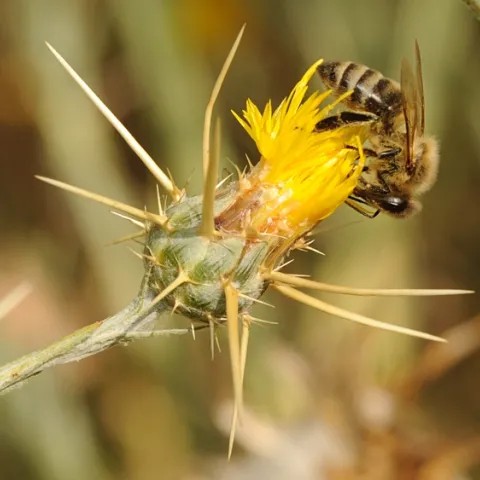
Honey bee on a yellow starthistle flower on Bee Biology Road at UC Davis. (Photo by Kathy Keatley Garvey)

'Star' Quality?

August 15, 2011
It's a perfect example of "the bad, the ugly and the good." In that order. Not "the good, the bad and the ugly." The yellow starthistle (Centaurea solstitialis) is the kind of obnoxious weed you wish would go away forever.
View Article
Primary Image
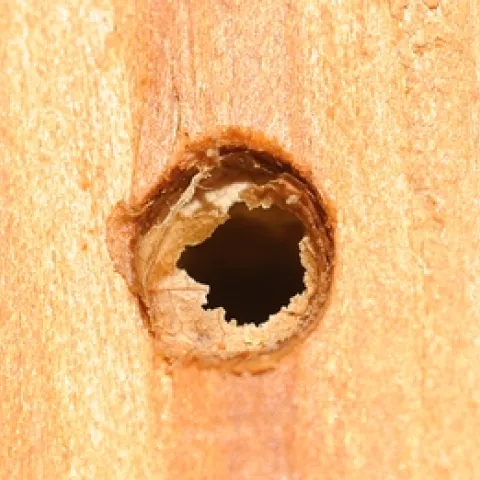
Hole in one--a hole signifying the emergence of a leafcutting bee (Megachile). (Photo by Kathy Keatley Garvey)

Hole in One

August 12, 2011
First you give them roots, then you give them wings. That's what's happening in our bee condo, a wooden block (nest) with drilled holes for leafcutting bees (Megachile). They flew in, laid their eggs, provisioned the nests with pollen and leaf fragments, and capped the holes. We had 11 tenants.
View Article