Bug Squad

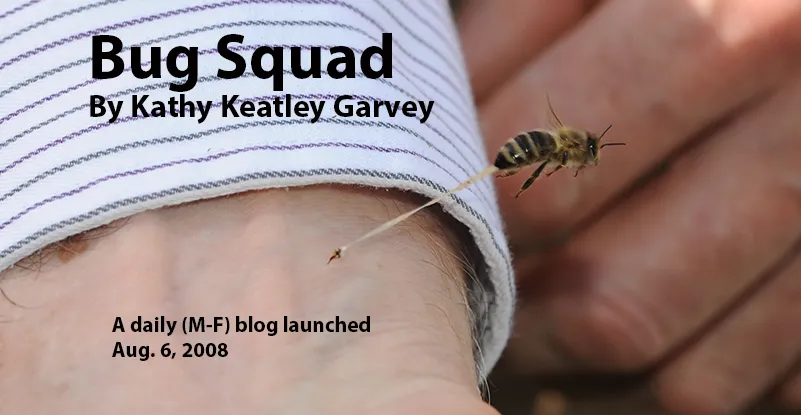
A daily (M-F) blog launched Aug. 6, 2008 and about the wonderful world of insects and those who study them. (Photo by Kathy Keatley Garvey)
Primary Image
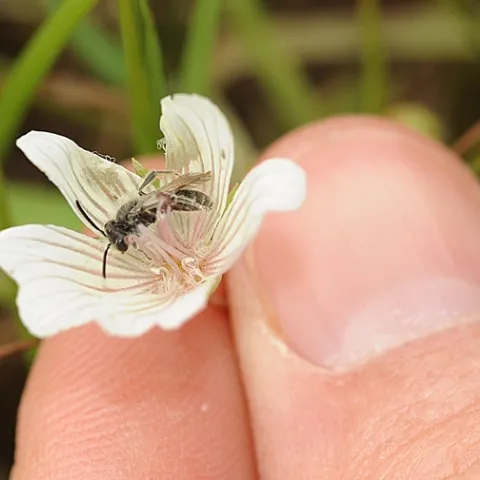
Andrena bee on meadowfoam. (Photo by Kathy Keatley Garvey

'Mining' for Bees

April 19, 2011
If you visit the Jepson Prairie Reserve near Vacaville-Dixon in Solano County, keep your eyes out for Andrena (mining) bees on the meadowfoam (Limnanthes). We were out there Monday morning and saw a mining bee nestled inside a white flower cup.
View Article
Primary Image
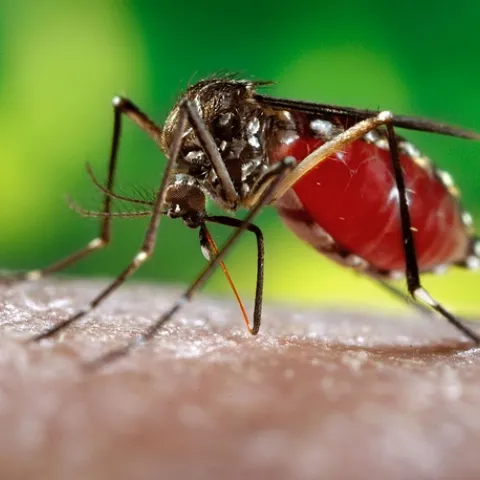
The dengue mosquito, Aedes aegypti. (Photo courtesy of James Gathany, Centers for Disease Control and Prevention).

Trying to Control Dengue

April 18, 2011
It's not just high temperatures that play a significant role in the transmission of dengue, a deadly mosquito-borne disease that strikes millions of people in tropical and subtropical countries.
View Article
Primary Image
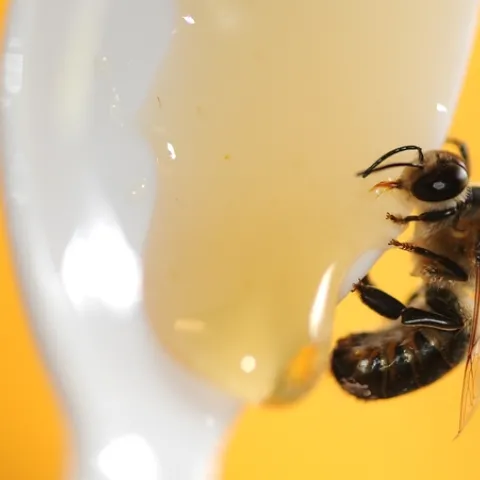
Drone sipping honey at the Harry H. Laidlaw Jr. Honey Bee Research Facility. (Photo by Kathy Keatley Garvey)

A Taste of Honey

April 15, 2011
If you're looking for something to do tomorrow (Saturday, April 16), it's UC Davis Picnic Day, a campuswide annual event. Over at Briggs Hall, Extension apiculturist Eric Mussen of the UC Davis Department of Entomology Department faculty will be offering a taste of honey to visitors.
View Article
Primary Image
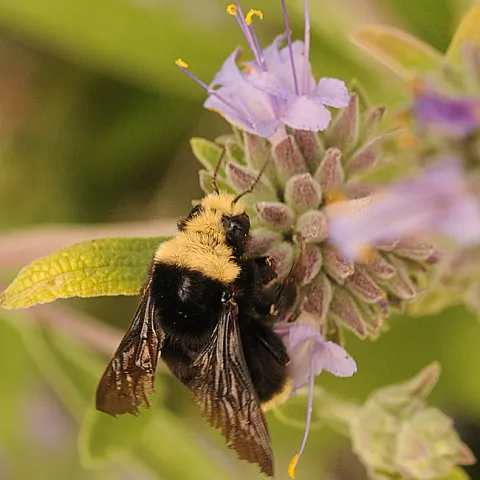
Yellow-faced bumble bee (Bombus vosnesenskii) foraging in Bee Bliss salvia. (Photo by Kathy Keatley Garvey)

A Haven for Bumble Bees

April 14, 2011
The Hagen-Dazs Honey Bee Haven is not only a haven for honey bees; it's a haven for bumble bees and other native pollinators. A yellow-faced bumble bee (Bombus vosnesenskii) buzzed around in the Bee Bliss salvia today, sharing the blossoms with honey bees.
View Article
Primary Image
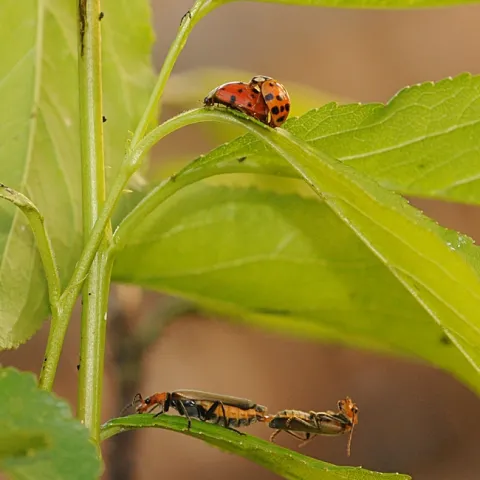
Ladybugs and soldier beetles--along with their prey, aphids--on a plum tree. (Photo by Kathy Keatley Garvey)

The Love Bugs

April 13, 2011
"You can never be too rich, too young, too blonde or too thin," a quote often attributed to Wallis Simpson, Duchess of Windsor. Well, you can never have too many ladybugs, aka lady beetles, in your garden. These colorful beetles devour aphids and other soft-bodied insects.
View Article