The Pests in the Urban Landscape blog shares the latest resources and information from the UC IPM Urban & Community team to help you sustainably manage pests in the home, garden, and landscape.
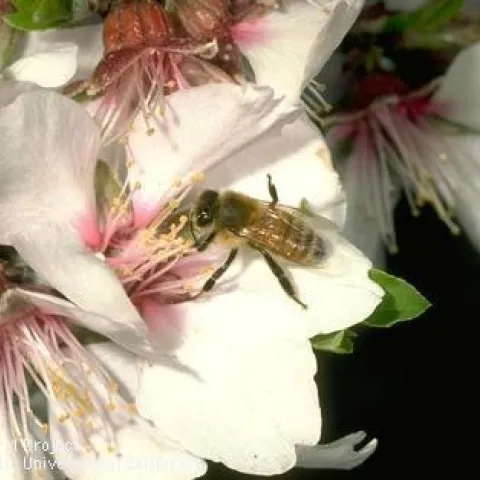
This year, National Pollinator Week is June 22 to June 28, celebrating the value that pollinators such as bees, birds, butterflies, bats, and beetles provide to the ecosystem.
In the last week, we have highlighted some invasive species that damage and threaten California's natural resources. If you missed any of our posts, click on the species listed below.
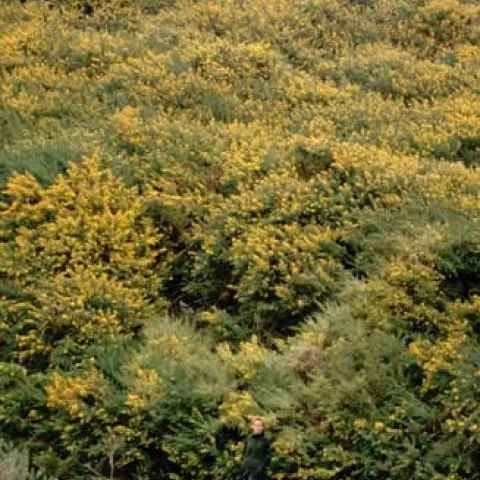
Brooms are shrubs which were originally planted in California as ornamentals and for erosion control, but are now considered to be invasive weeds since they are highly competitive. They crowd out native plants and form impenetrable barriers to wildlife.
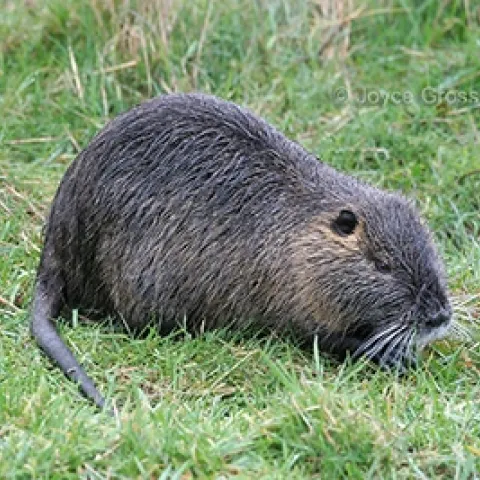
Nutria are found near rivers, streams, lakes, ponds and wetlands. Their burrowing and feeding on vegetation can cause damage. In addition, they can carry pathogens and parasites.
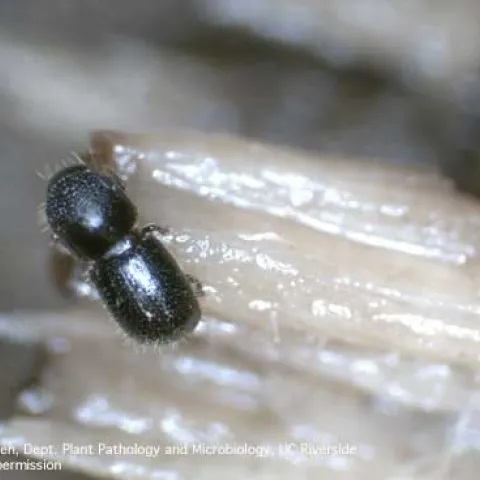
Small beetles are causing big problems in Southern California. Two closely related species, the polyphagous shot hole borer and the Kuroshio shot hole borer (collectively referred to as invasive shot hole borers), have been attacking more than 60 species of trees.


![Nutria. [Credit: Tony Northrup]](/sites/default/files/styles/large_square/public/2020-06/blog71559.jpg.webp?h=2ee6a279&itok=luERLUb0)