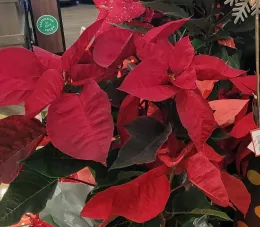
The poinsettia (Euphorbia pulcherrima) is an iconic symbol of the holiday season; its vibrant, colorful leaves—known as bracts—bring cheer to homes and businesses around the world. While the plant is synonymous with modern winter holidays, its story is a rich tapestry that begins centuries ago in the tropical forests of Mexico and Guatemala. The journey of the poinsettia from a wild, subtropical shrub to a beloved potted plant in millions of homes is a testament to cultural adaptation and horticultural ingenuity.
From Aztec Medicine to American Holiday Icon
Long before it became a holiday tradition, the poinsettia was a revered plant among the Aztecs in 14th-century Mexico. They called it cuetlaxochitl, meaning "mortal flower that perishes and withers like all that is pure". The Aztecs used the plant’s distinctive red bracts to produce a reddish-purple dye for textiles and cosmetics. They also utilized its milky, latex-like sap for medicinal purposes, particularly as a treatment for fever. The plant’s association with Christmas began in 17th-century Mexico, when Spanish friars began incorporating the winter-blooming plant into nativity processions and celebrations of the "Holy Night" (Nochebuena). The red bracts and green leaves came to symbolize the blood of Christ and new life, cementing its place in the holiday.
Poinsettias were introduced to the United States in the 1820s by Joel Roberts Poinsett, the first U.S. Ambassador to Mexico and an avid botanist. He brought cuttings of the plant back to his greenhouse in South Carolina, where it gained popularity and was eventually named in his honor. Careful propagation techniques have created over 100 varieties of colors and shapes ranging from the traditional deep red to deep and light pink, white, and even orange bracts that may be solid colors or variegated.
Selecting the Perfect Poinsettia
Choose a healthy plant at the nursery or store for a long-lasting display. Here’s what to look for:
Foliage and Bracts: Select a plant with deep green, lush foliage all the way down to the soil line and brilliant, fully colored bracts. Avoid plants with yellowing leaves, which can indicate overwatering or poor health.
Flowers: The true flowers of the poinsettia are the small, yellow- or green-tipped clusters in the center of the bracts. For the longest-lasting color, choose a plant where these flowers are still tightly budded or just beginning to open, with little or no yellow pollen visible.
Plant Structure: Look for a full, well-balanced plant with sturdy, stiff stems and no signs of wilting, drooping, or damage.
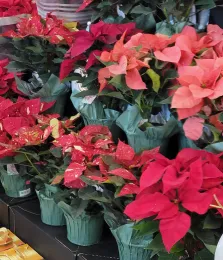
Store Display: Observe how the plants are displayed. Those crowded together may have damaged leaves or pests. A healthy plant will have been cared for properly in the store.
Transport Protection: Poinsettias are sensitive to cold, so ensure the plant is sleeved for protection when transporting it home when temperatures are below 50°F. Once inside, remove the sleeve to prevent heat and moisture from building up.
Cultivation and Holiday Care
To ensure your poinsettia thrives through the holidays, providing the right environment is key. Here are some cultivation tips:
Light: Place your poinsettia in a bright location, such as a sunny window, where it can receive six to eight hours of indirect sunlight daily. Too much direct sun can scorch the leaves, while too little will cause them to yellow and drop.
Temperature: These tropical plants prefer steady temperatures between 65 and 75°F. Avoid placing them near drafts from doors, windows, fireplaces, or heating vents, which can cause premature leaf drop. Nighttime temperatures slightly cooler than daytime are ideal but should not drop below 60°F.
Watering: Overwatering is a common cause of poinsettia failure. Water thoroughly only when the soil surface feels dry to the touch and allow excess water to drain completely. Never let the plant sit in standing water, as this can lead to root rot. If your plant is wrapped in foil, be sure to poke holes in the bottom or remove it before watering.
Fertilizer: Poinsettias do not require fertilizer during their holiday bloom. Over-fertilizing can lead to excessive growth and reduce the plant's colorful display.
Humidity: As tropical natives, poinsettias appreciate higher humidity. Placing the pot on a tray of pebbles with water can help increase humidity around the plant, as can a regular, light misting.
Safety Considerations
Contrary to a persistent myth, poinsettias are not highly poisonous. While the milky sap contains compounds that can cause mild skin irritation and an upset stomach if ingested in large quantities, it is not lethal to humans or pets. Nevertheless, it is always wise to keep houseplants out of reach of children and pets.
After Christmas: A Guide to Reblooming
While many treat poinsettias as temporary holiday décor, they are perennial plants that can be grown year-round and even rebloomed with the proper care and dedication.
Resting Period (Late Winter/Early Spring): Once the colorful bracts fade and drop, typically around March or April, your poinsettia is entering its resting phase. Cut the stems back to about 4 to 6 inches, leaving a few leaves on each shoot. Reduce watering and stop fertilizing. The plant can be kept in a cooler, darker location during this time.
Repotting and Summer Growth (Late Spring/Summer): Around May, when new growth appears, repot the plant into a container one or two inches larger with fresh, well-draining potting mix. Move the plant to a bright location, and you can even place it outdoors in a lightly shaded spot when night temperatures are consistently above 55°F. Resume a regular watering schedule and begin fertilizing every two to four weeks with a balanced houseplant fertilizer.
Pruning (Summer): To maintain a bushy, compact shape, pinch back or prune the new growth during the summer, but no later than September 1st.
Darkness Treatment (Fall): This is the most crucial step for reblooming. Poinsettias are "photoperiodic," meaning they bloom in response to shorter days and longer nights. Starting around October 1st, the plant must receive 12 to 14 hours of complete, uninterrupted darkness every night. A closet or a large box placed over the plant works well. Even a small amount of artificial light can disrupt the process. During the day, give the plant 6 to 8 hours of bright, indirect light. Continue this for about eight weeks, until the bracts begin to show color, at which point you can stop the darkness treatment.
Fertilizer and Water Reduction (Fall): As the bracts begin to color, reduce watering and stop fertilizing. By Thanksgiving, your plant should be developing festive color just in time for the holidays.
Safety Considerations
Contrary to a persistent myth, poinsettias are not highly poisonous. While the milky sap contains compounds that can cause mild skin irritation and an upset stomach if ingested in large quantities, it is not lethal to humans or pets. Nevertheless, it is always wise to keep houseplants out of reach of children and pets.
Conclusion
With their vibrant colors and rich history, poinsettias offer more than just seasonal decoration. By understanding their origins, selecting a healthy specimen, and providing the right care, you can enjoy these beautiful plants throughout the holiday season and beyond. With a little extra effort, you can even coax your poinsettia to rebloom, carrying the festive spirit into the next year.
Additional information and resources:
La Flor de Nochebuena. https://ucanr.edu/blog/real-dirt/article/poinsettia-la-flor-de-nochebuena
Poinsettias: The Colorful Holiday Favorite with a Hidden Secret. https://ucanr.edu/blog/savvy-sage/article/poinsettias-colorful-holiday-favorite-hidden-secret
Poinsettia Factsheet. https://ucanr.edu/sites/default/files/2025-04/FactSheet_Flower_Poinsettia_2022.02.02.pdf
How to select and care for a healthy poinsettia. https://ucanr.edu/sites/default/files/2015-01/204233.pdf
Poinsettia Care. https://ucanr.edu/blog/coastal-gardener/article/poinsettia-tips-care-and-reblooming
Barbara Kissinger Santos has been a Stanislaus County Master Gardener since 2024