Topics in Subtropics

Avocado Irrigation
April 16 (1 -3 PM)
 

Water Knowledge is
Power Knowledge

In-Person and Zoom
 
Topics and Speakers
 
Sources of ET information and their Reliability
By Ali Montazar - UCCE Irrigation Advisor, Imperial/San Diego/ Riverside counties
 
 
Selecting Irrigation Emitters-Drip vs Microsprinkler
Stu Styles - Cal Poly SLO Irrigation Training and Education Center
 
We would love to meet you in person at
The San Diego County Farm Bureau (420 S Broadway, Escondido, CA 92025)
 

If you cannot attend the meeting, register through our Zoom link.
 
Primary Image
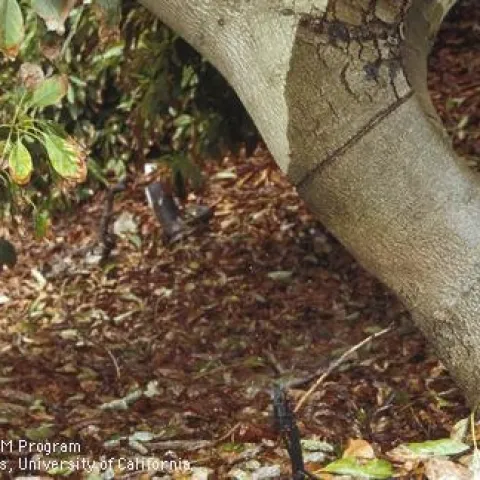
armillaria image
Topics in Subtropics: Article

Armillaria Root Rot

February 28, 2013
By Ben A Faber
There have been a lot of new avocado orchards planted during the last few years. These often have been in old Valencia orchards or lemons that had poor production. In order to save money, growers have just cut the trees at ground level and replanted the avocados near the stumps.
View Article
Primary Image
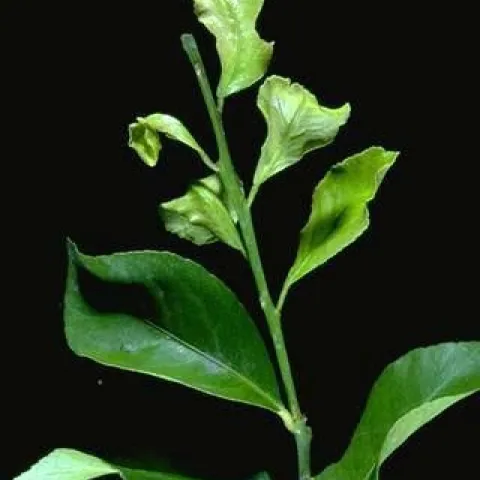
B toxicity
Topics in Subtropics: Article

Boron is High in Many Southern San Joaquin Valley Citrus Trees

February 24, 2013
Many citrus trees in the southern end of the San Joaquin Valley are grown on moderately calcareous soils and frequently have high levels of boron in the leaf tissue. Citrus is sensitive to boron. Boron, when excessive, may cause defoliation and significant yield loss.
View Article
Primary Image
fig
Topics in Subtropics: Article

A Comparison of the New “Sequoia” Fig Cultivar (UC Selection 24-50E) with the Standard Fig Cultivars Used in the California Fig Industry.

February 19, 2013
The California fig industry is currently producing on about 16,000 acres. A 2002 Statistical Review published by the California Fig Advisory Board and California Fig Institute at Fresno lists seven cultivars used primarily (although in some cases not exclusively) for dried whole figs and fig paste.
View Article
Primary Image
earwig
Topics in Subtropics: Article

Earwigs Flying Under the Radar

February 15, 2013
Not too many years ago, most growers and pest control advisors were unaware that earwigs were a potential pest problem in citrus. Earwigs simply were not often found in large numbers in citrus orchards.
View Article