Vermicomposting Workshop, Palo Alto
Are you interested in learning how to make your own compost at home?Join us for a free worm compost workshop. Learn the art and science behind composting from a local Certified Master Composter. This…

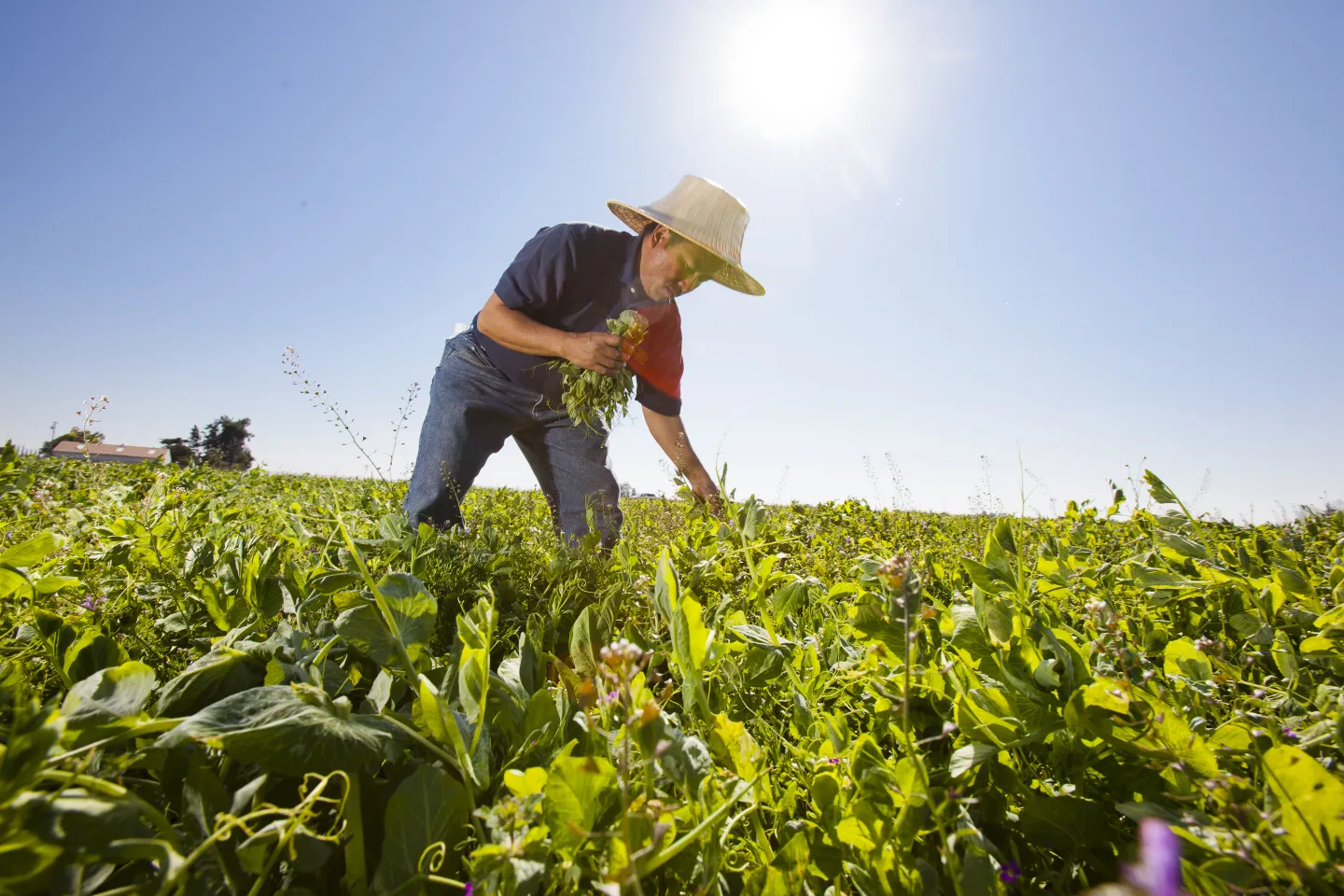
University of California Cooperative Extension (UCCE) is the local link that connects Santa Clara County residents directly to the powerful research, expertise, and information of the UC system. Our local programs deliver science-based solutions and outreach—powered by dedicated volunteers—to address critical local issues in agriculture, natural resources, youth development, and family health.
The work of UC Cooperative Extension in Santa Clara County is guided by the University of California's commitment to improving the lives of all residents, focused on creating: Healthy Food Systems, Healthy Environments, Healthy Communities, and Healthy Californians.
Anyone who has walked through a stand of eucalyptus (Eucalyptus globulus) knows the scent of the volatile oils that fuel their notorious wildland-urban fire risk. To protect neighboring communities, regional agencies, including the East Bay Regional Park District and Santa Clara County Parks, are investing in projects to thin dense eucalyptus stands and remove flammable understory growth while maintaining shaded fuel breaks.
Although important for public safety, these thinning projects leave land managers with a persistent question: what do we do with thousands of tons of harvested eucalyptus biomass? One answer might lie in transforming this wildfire liability into an asset for soil climate resilience.
Mulching with eucalyptus: At the recent Soils for Europe Conference in Coimbra, Dr. Iris Zohar of Tel-Hai University in Israel presented field trials evaluating raw eucalyptus (both fresh and dry) as an agricultural soil mulch. Among the mulches tested, eucalyptus performed remarkably well at suppressing weeds, retaining soil moisture, and modulating root temperatures during extreme heat dry spells.
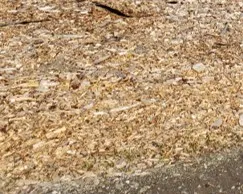
Like any organic mulch, however, eucalyptus fragments will degrade in the soil over the course of a few years at most. One way to extend the functional lifespan of woody biomass is pyrolysis, heating the material at high temperatures in the absence of oxygen to produce biochar, which can resist degradation for centuries. This has the co-benefit of locking up carbon (roughly 75 to 85% of the biochar’s dry weight), preventing it from reentering the carbon cycle as greenhouse gases.
This fall, at our UCCE Community Composting Demonstration Site at Martial Cottle Park in San Jose, we are testing eucalyptus biochar from East Bay Regional Park District fire-hazard mitigation projects as a mulch for newly planted Lecciana olive trees. This trial will directly compare a biochar-compost blend against a mixed woodchip-compost blend to compare their capacity to help the trees withstand hot, dry summer conditions. This project came together thanks to Dr. Selina Wang, Director of the UC Davis Olive Center, who connected us with the generous donor of the olive trees, Cliff Beumel, President of Agromillora.
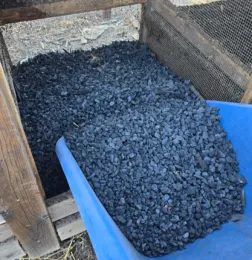
We are evaluating other agricultural uses for eucalyptus biochar at our demonstration site as well:
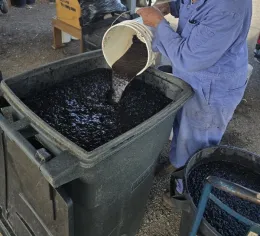
Ultimately, finding practical agricultural uses for harvested eucalyptus turns an ongoing fire management challenge into a valuable local resource for our soils.
Explore a sampling of our specialized community initiatives where our advisors and dedicated volunteers are actively making a difference in the county and region.
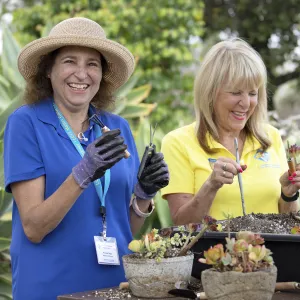
Santa Clara County Master Gardeners are knowledgeable volunteers who have completed extensive training in home horticulture to serve as primary extenders of University of California information. We empower home gardeners with research-based knowledge to help their gardens thrive. Explore more at our Master Gardeners program page.
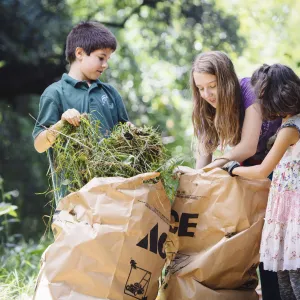
This community-based, volunteer-driven program utilizes trained Master Composters to educate Santa Clara County residents on diverting household organic waste. We provide free classes, school visits, and community events to teach backyard and worm composting. Learn about our Composting Education program.
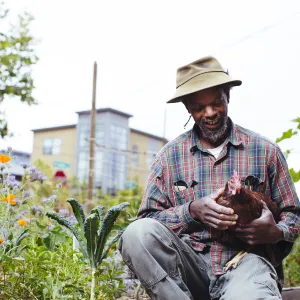
Focused on the challenges and opportunities of California's small-scale farm operators, this program develops field and marketing research aimed at meeting the needs of small and moderate-scale farmers. We provide information and technical assistance often not reached by traditional extension programs. Explore more at our Small Farm Program page.
1553 Berger Dr, Building 1
San Jose, CA 95112
United States
80 Highland Ave., Suite K
San Martin, CA 95046
United States
5283 Snell Ave.
San Jose, CA 95136
United States