Soils And Compost

Primary Image
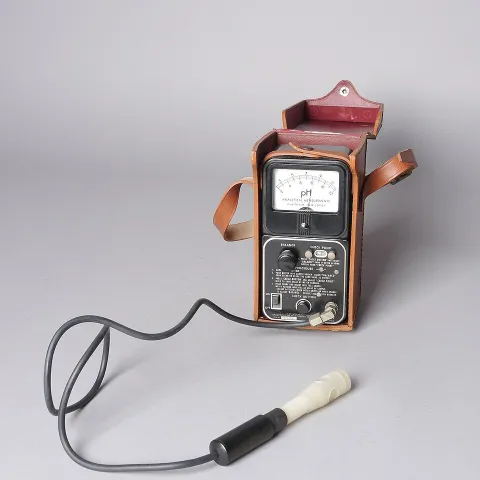
a pH meter with a white background.
UC Master Gardeners of Tuolumne County: Article

Why Check Soil pH First

May 30, 2026
Will your garden soil produce well? One of the best items to check is your soil pH or acidity. pH stands for the “potential of hydrogen” and is a scale that indicates whether your soil is acid or alkaline (basic). The pH scale runs from 0 to 14 with 7.0 being neutral. If your pH is below…
View Article
Primary Image
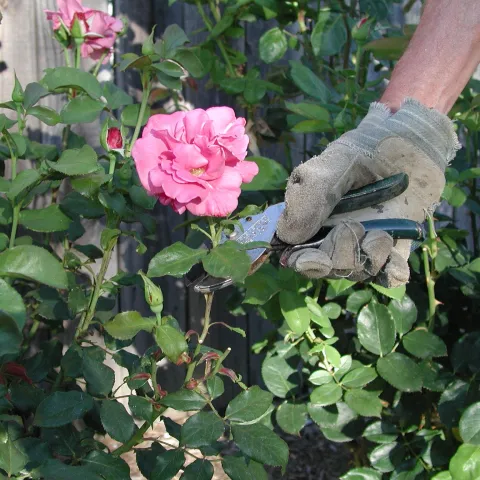
Pruning out old roses with bypass pruners.
Pests in the Urban Landscape: Article

Jump into Summer with these IPM Webinars!

May 21, 2026
By Yulie Velez
Looking to keep your brain stimulated this summer? Need information about garden pests? Join us every third Thursday of the month from 12:00 to 1:00pm PST to learn about a wide range of urban pest management topics. This series is free and open to the public, but advance registration is …
View Article
Primary Image
A happy gardener's hands in the soil. John Ober
The Real Dirt: Article

Find Some Dirt!

February 23, 2026
Dirt is made up of four things: minerals (from decomposed rock), air, water, and organic matter. The organic material originates from living organisms (or stuff that was once alive), and a single teaspoon of soil may contain as many as 4 billion bacteria, 1 million fungi, 20 million actinomycetes and 300,000…
View Article
UC Master Gardeners of Placer County: Article

Acid-loving Plants

December 11, 2025
By Trish Grenfell, Master Gardeners of Placer County Q:  I know that azaleas, camellias, and hydrangeas prefer an acid soil, but what does that mean? A:  While most of the plants that we grow in a garden prefer neutral to slightly acidic soil (pH range 6.0 -7.0), there are some…
View Article
Livestock & Range: Article

Compost Field Day - Hollister, CA

September 24, 2025
By Fadzayi E Mashiri
The Coalition of Food Safety & Sustainability, co-sponsored by CCOF and WGA, is hosting a Compost Field Day to explore how compost can be safely and effectively integrated into produce safety and sustainability practices. DetailsDate: Wednesday, October 15, 2025Time: 9:00 am – 12:00 pmLocation:…
View Article
Primary Image
A happy gardener's hands in the soil. John Ober
The Real Dirt: Article

Nutrient Availability

September 23, 2025
To grow, plants must absorb nutrients from the soil. Not only must these nutrients be present in sufficient quantities, they must also be available for uptake by the plant. Nutrient availability is primarily determined by soil texture and pH. Soil texture is the amount of sand, silt, clay and organic…
View Article
UC Master Gardeners of Orange County: Document

Compost Troubleshooting Guide

Whether you're an experienced home composter or just getting started, this guide provides essential troubleshooting support for common composting challenges. When your compost pile isn't performing as expected, understanding the underlying causes and correction methods will help you restore proper balance…
View Document
Primary Image
Fava Beans are a useful cover crop, and their leaves can be sauteed like any other edible green. J. Alosi
The Real Dirt: Article

Meeting Nature Halfway: Sustainable Gardening

August 5, 2025
Imagine a healthy garden that grows, blooms, and produces food for you, your family and your neighbors, a garden that costs you very little money because everything it needs is already provided. Welcome to the sustainable garden! The Cambridge Dictionary defines sustainable as “causing little or no damage to…
View Article
UC Master Gardeners of Orange County: Page

Vermicomposting & Vermiculture - Orange County

About two-thirds of the waste stream is made up of organic materials, including paper and food waste. While paper can often be recycled, food waste has fewer useful disposal options besides composting. One effective method is vermicomposting, which uses worms to recycle kitchen scraps.  This method…
View Page