
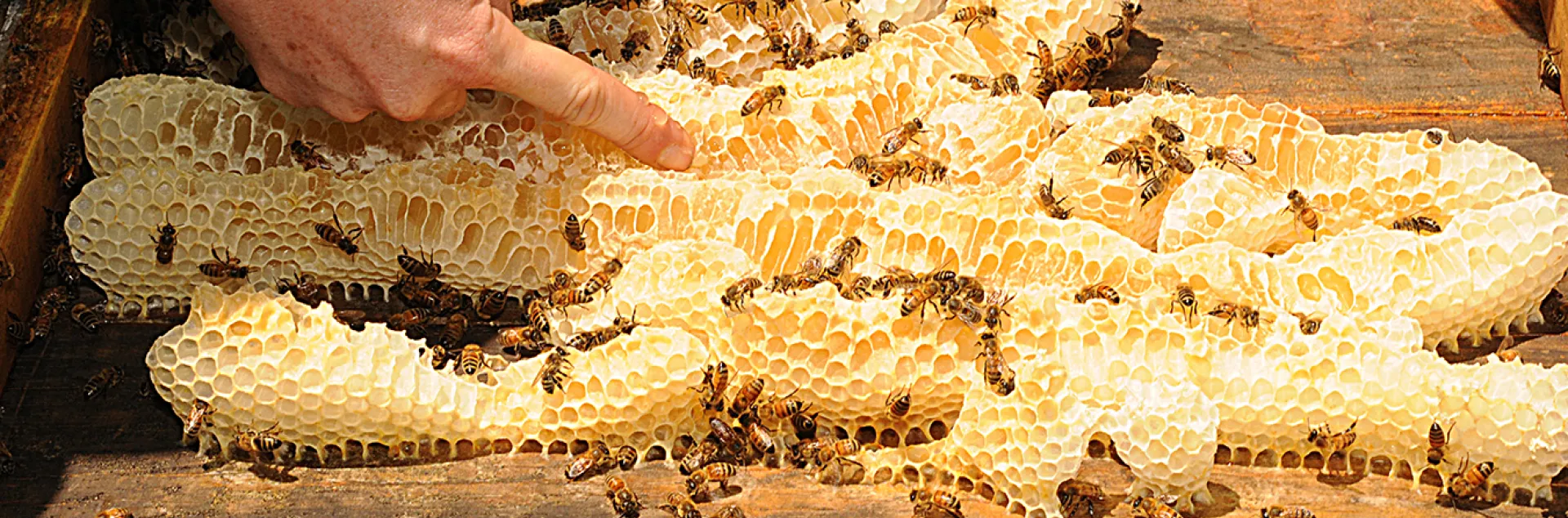
A sweet collaboration!
The California Master Beekeeper Program (CAMBP), based at UC Davis, and The HIVE Tasting Room and Kitchen in Woodland, have joined forces--sweet forces--to present two courses at The Hive: the first is The Science of Honey Tasting from 9 a.m. to 1 p.m., on Saturday, Jan. 24 and the second isThe Science of Mead Tasting, from 9 a.m. to 3 p.m., Sunday, Jan. 25. This collaboration is a celebration of bees, beekeeping, and the sensory sciences that connect humans with honey and mead.
Participants may enroll in either course individually or attend both at a discounted rate, earning a certificate of completion that also fulfills the Journey-level honey tasting requirement for CAMBP candidates.
"For anyone who has ever wondered why honey tastes the way it does, or how the world’s oldest fermented beverage continues to surprise modern palates, these classes offer rare, hands-on access to scientific, cultural, and sensory expertise," the organizers said. "They are also a unique holiday gift for the bee and food lovers on your list."
The particulars:
Day 1: The Science of Honey Tasting
Saturday, Jan. 24: • 9 a.m.–1 p.m. • $200
Registration: https://cambp.ucdavis.edu/classes/class-schedule/science-honey-tasting
"Honey is more than a sweetener—it is a living record of landscapes, blooms, weather patterns, and the tireless foraging behavior of honey bees and their native bee counterparts," the organizers said. "The Science of Honey Tasting invites participants into this world through a blend of apiculture, ecology, chemistry, sensory training, and cultural history."
This four-hour course guides participants through:
- How honey bee colonies function, including seasonal rhythms, division of labor, and how environmental factors shape honey production
- Nectar’s transformation into honey, with an emphasis on sugars, water content, enzymes, and the science behind crystallization
- The essential role of pollen, both as a nutritional foundation for bees and as a powerful tool for identifying honey origins and tracking agricultural forensics
- The contributions of honey bees and native bees to agriculture, pollination networks, and ecosystem stability
- Guided tastings of monofloral and varietal honeys, focusing on aroma, texture, color, and flavor development—skills that help participants evaluate honey with the sophistication of a trained sensory analyst
Who's Who of Teachers
This course features the who's who of teachers:
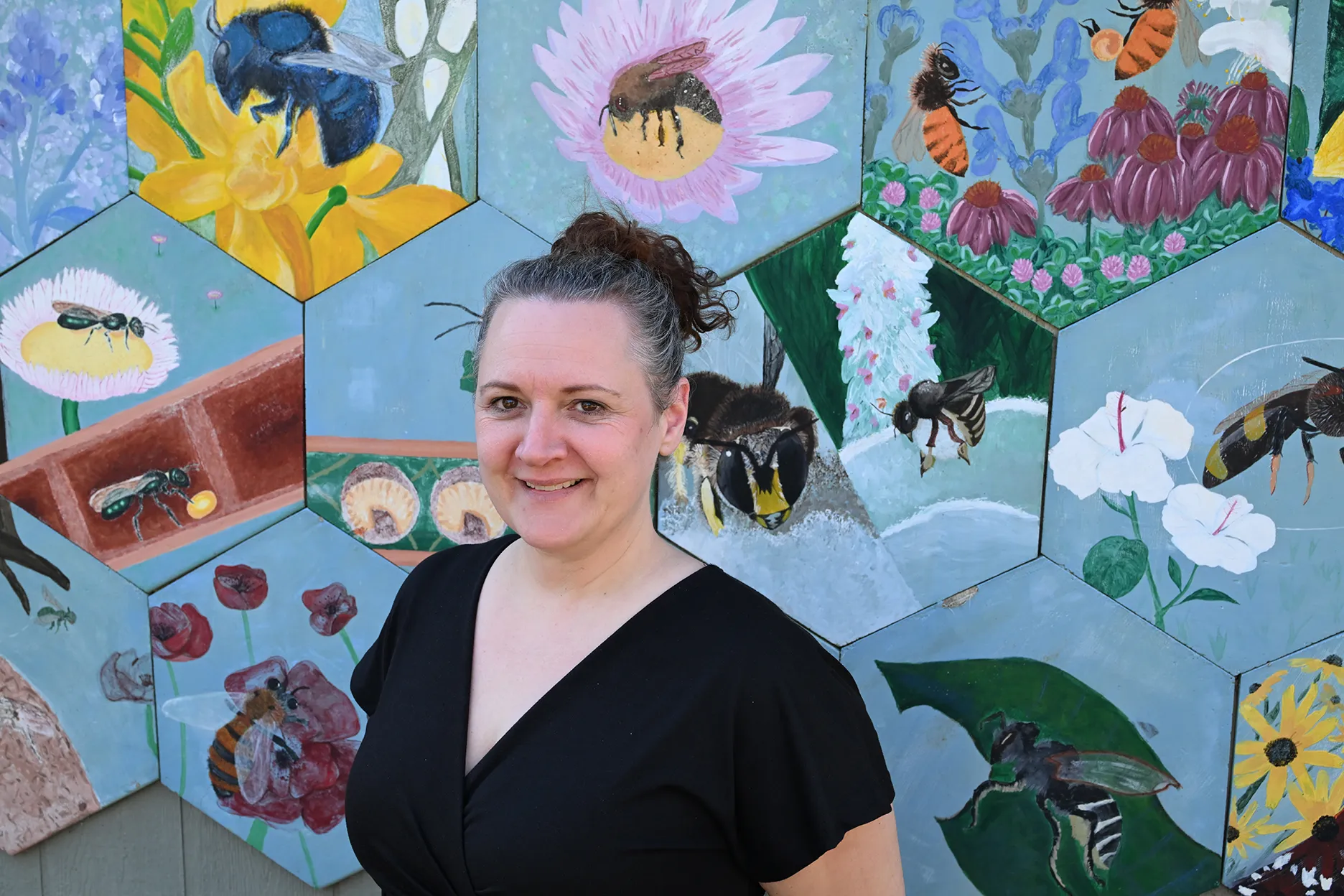
- Elina Niño, PhD., UC Davis Professor of Cooperative Extension in Apiculture; faculty director of the UC Davis Bee Haven; and program director for CAMBP.
A leading authority in honey bee biology and beekeeping, she explores colony dynamics, honey production, and the broader agricultural role of bees. - Amina Harris, founding director emerita of the UC Davis Honey and Pollination Center; and co-owner of Z Specialty Food / The HIVE.
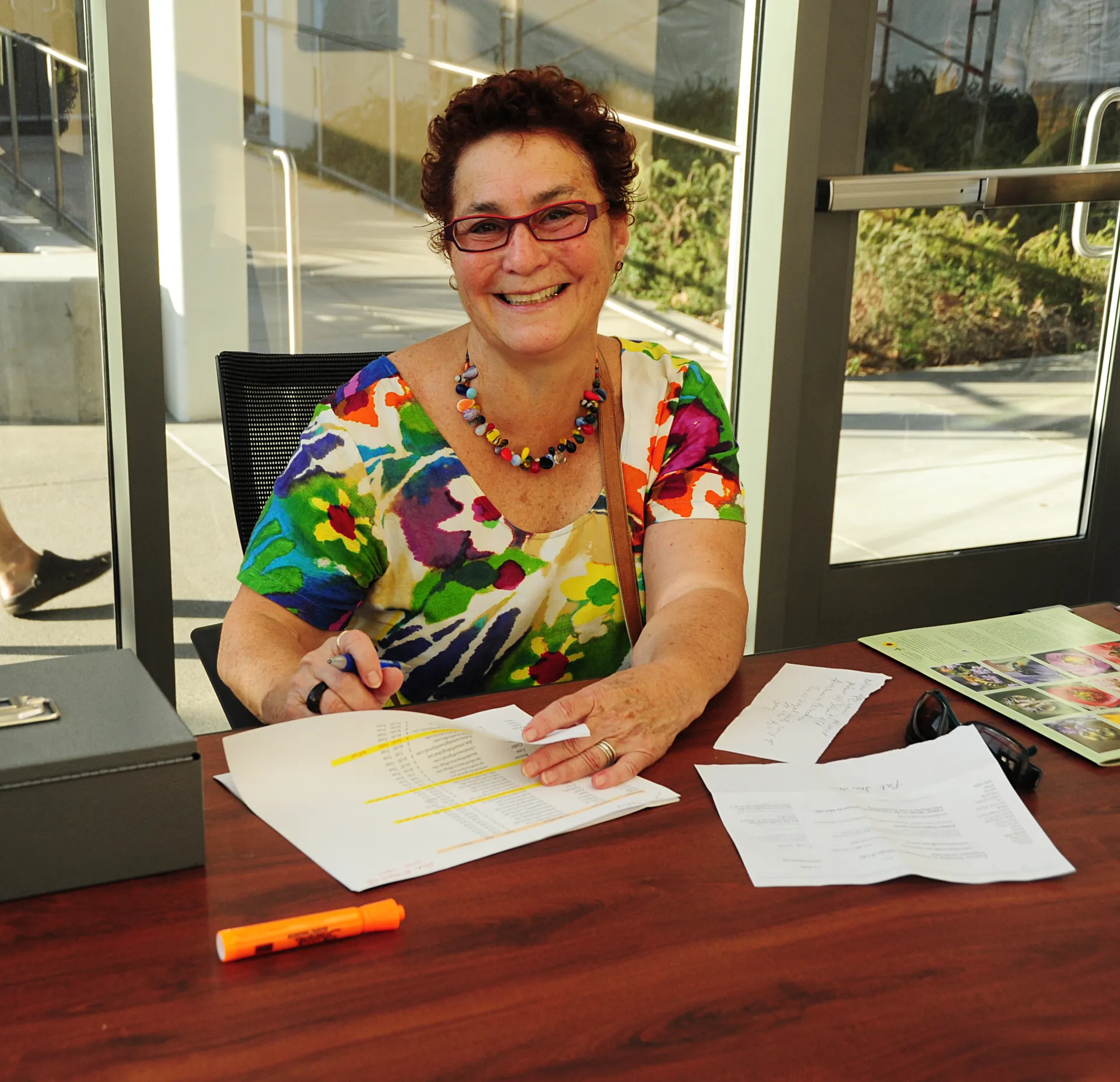
A nationally recognized advocate for honey sensory education, Harris helped develop the internationally used Honey Flavor Wheel and has spent more than 30 years elevating American varietal honeys. - Jean-Philippe Marelli, global Integrated Pest Management specialist and beekeeper.
Marelli brings international expertise on stingless Melipona bees—highlighting the cultural, medicinal, and ecological significance of their prized honeys. - Mark Carlson, member of the inaugural CAMBP cohort and longtime honey educator.
His background in agroforestry and sensory evaluation (including his leadership role in the Good Food Awards Honey Category) connects participants with practical, real-world honey appreciation.
Refreshments will be served, and participants will receive 15 percent off any purchases at The HIVE Tasting Room an Kitchen.
Day 2: The Science of Mead Tasting
Sunday, Jan. 25 • 9 a.m.–3 p.m. • $200
Registration: https://cambp.ucdavis.edu/classes/class-schedule/science-mead-tasting
"If honey is a product of the hive, mead is its alchemical counterpart—where sugars meet yeast, fermentation, culture, and craft," the organizers said. "The Science of Mead Tasting offers participants a full-day exploration of mead from microbiology to sensory analysis."
The course covers:
- Why honey is uniquely suited for fermentation, diving into its chemistry, enzymatic properties, and microbial structure
- Yeast behavior, sugar metabolism, alcohol formation, and how these influence mead character
- Sanitation, brewing techniques, and bottling practices, with direct connections to flavor quality and consistency
- Mead’s cultural journey from its ancient global roots to its modern renaissance in the craft beverage world
- Tastings of multiple mead styles, accompanied by food pairings designed to highlight flavor architecture and acidity, sweetness, balance, and mouthfeel
Meet the Mead-Making Team
This course brings together some of the most respected voices in fermentation, brewing, and sensory education:
- Billy Beltz, co-founder of Lost Cause Meadery
An award-winning meadmaker known for innovative, high-impact meads, Beltz blends traditional fermentation science with creative flavor development. - Matt Ford, homebrewer, fermentation instructor, and mead specialist.
Ford focuses on making fermentation accessible to beginners while emphasizing the importance of sanitation, flavor control, and achievable home-scale production. - Lucy Joseph, Fermentation Microbiologist; Ferminkasi Consulting.
Joseph is internationally recognized for her expertise in yeast metabolism, native fermentations, and microbial ecology in brewing and winemaking. Her research bridges deep scientific understanding with practical production techniques. - Amina Harris and Shoshana Zeldner, sensory guides
Harris and Zeldner help participants connect more deeply with the sensory experience of tasting—enhancing perception, language, and palate awareness.
Lunch will be provided, and participants will receive 15 percent off any purchases at The HIVE Tasting Room and Kitchen.
Bundle Pricing and Certification
Participants may register for either class individually for $200 each, or bundle both days for $350 (a $50 savings).
Bundle link:
https://cambp.ucdavis.edu/classes/class-schedule/bundle-science-honey-tasting-and-science-mead-tasting
Those who complete both courses will receive a Certificate of Completion. For CAMBP students at the Journey Level, this certificate waives the honey tasting section of the CAMBP practical exam
A Gift for the Curious, the Food-Loving, and the Bee-Devoted
Organizers said these science-based sensory experiences are ideal for:
- Beekeepers
- Food enthusiasts
- Makers and brewers
- Naturalists
- Environmental educators
- Honey lovers
- Anyone with “difficult to buy for” names on their holiday gift list
"Not only do participants walk away with expanded knowledge and refined tasting skills, but their enrollment helps support science-based honey bee health research and education through the CAMBP," organizers sai.
A Celebration of Bees, Flavor, and Learning
This CAMBP–HIVE collaboration bridges science, sensory exploration, and community engagement. Whether you’re fascinated by honey’s botanical fingerprints or eager to understand the microbiology behind fermentation, these courses offer an unforgettable, hands-on experience with some of the field’s leading experts. Space is limited for both classes. Early registration is encouraged.
For more information or to enroll:
https://cambp.ucdavis.edu/classes/class-schedule