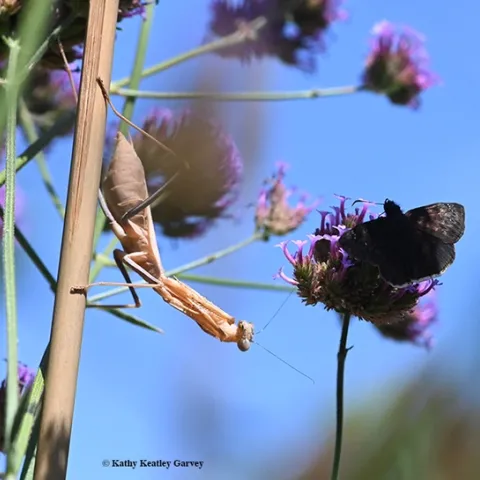
When we last left Ms. Mantis, a female Stagmomantis limbata residing in our verbena patch, she was munching on a honey bee. A successful ambush stalker, she was. But not always. Her plan to take down a duskywing butterfly, genus Erynnis, didn't go so well.
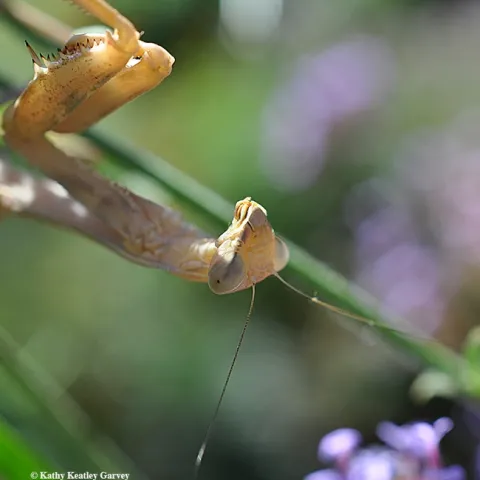
Yes, I'm hungry. A female praying mantis is perched upside down in our pollinator garden. She has maintained this position in the verbena over a four-day period, enduring temperatures that soar to 105 degrees.
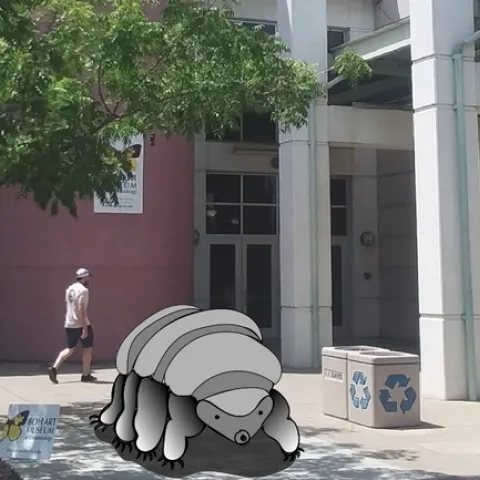
What a wonderful idea! The Bohart Museum of Entomology at UC Davis boasts one of the world's largest tardigrade (water bear) collections, and what Lynn Kimsey wants to do, will certainly add to that point.
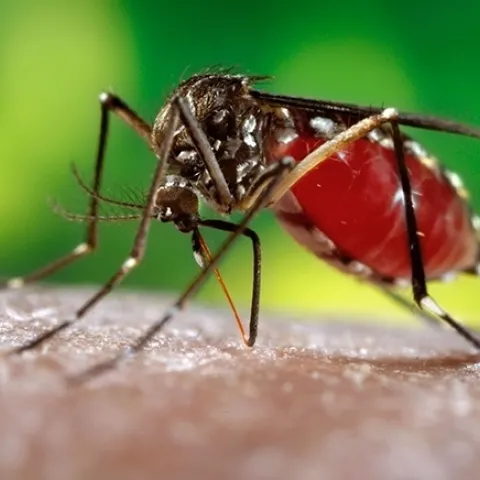
It's well known that female mosquitoes possess a highly developed sense of smell. They manage to find us, don't they? Even when we're doing our best to try to avoid them! It's not so well-known that mosquitoes, both male and female, frequent plants to feed on nectar for energy.
Do you remember when insects first fascinated you or when you developed a love of insects? Odds are that the children who attend the SaveNature.Org insect-themed sessions in Berkeley will.