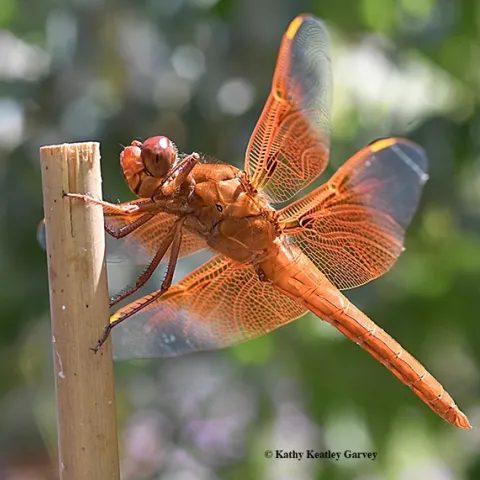
How magical are the dragonflies. They zig-zag through the pollinator garden, a perfect portrait of a predator: multifaceted eyes, strong wings, and mouthparts that include a toothed jaw and flap like labrium.
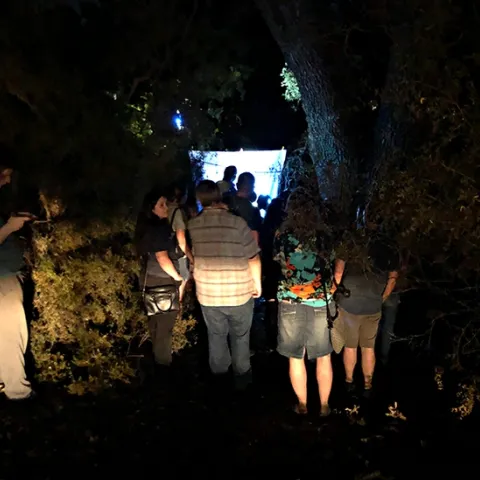
Oh, what a (Moth) Night! It was a family night in more ways than one. Families who attended the Bohart Museum of Entomology's annual Moth Night last Saturday, Aug. 3, not only saw specimens from scores of insect families inside the UC Davis insect museum, but outside as well.
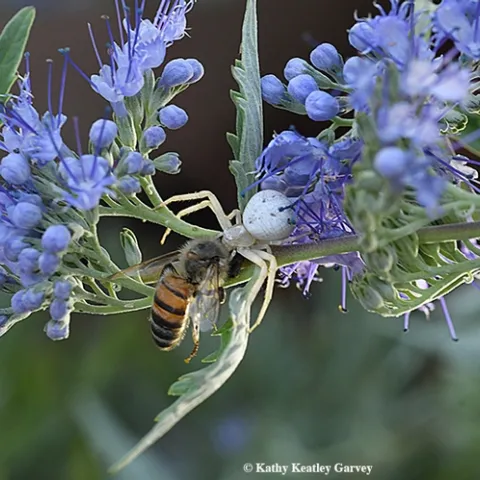
It was a good day for a crab spider. It was NOT a good day for a honey bee. It's early evening and here's this bee foraging on a bluebeard plant, Caryopteris x clandonensis, totally unaware of the ambush predator lying in wait. The predator and the prey: Misumena vatia and Apis mellifera.
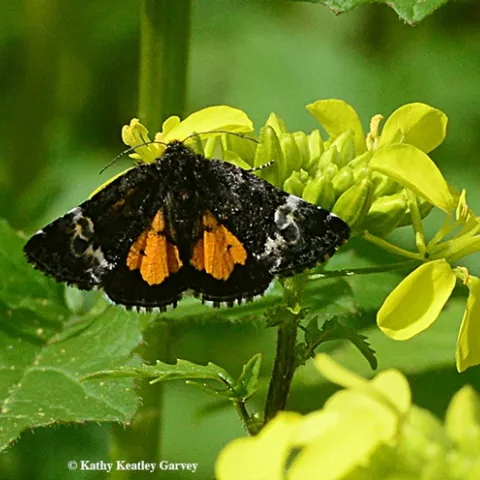
Yes, there are day-flying moths. And some of them are quite attractive. Take the Stiriini moth, Annaphila astrologa. We saw our first-ever last March in our pollinator garden.
Our story begins with a kid bred and born in Arkansas. You may have seen the news article about the distinguished professor at the University of California, Davis, who won a $6 million, eight-year "Outstanding Investigator" federal grant for his innovative and visionary health research.