Bug Squad

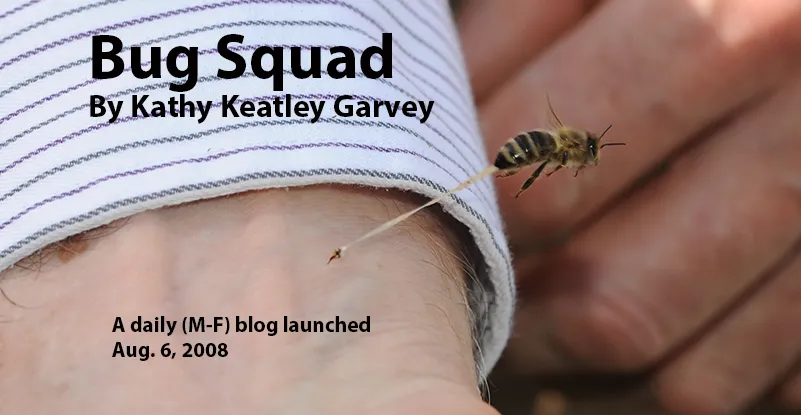
A daily (M-F) blog launched Aug. 6, 2008 and about the wonderful world of insects and those who study them. (Photo by Kathy Keatley Garvey)
Primary Image
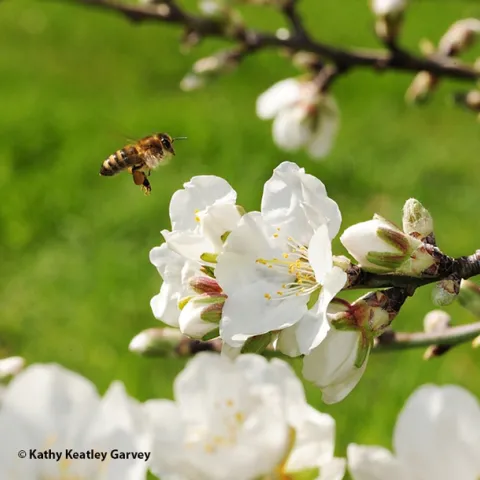
A honey bee heading toward almond blossoms. Managed bees such as bumble bees and honey bees are used to transfer a powder form of a biological control agent from flower to flower. (Photo by Kathy Keatley Garvey)

UC Davis Apiculturist: Apivectoring Defined

December 6, 2024
By Kathy Keatley Garvey
Do you know what apivectoring is? Bee scientist Elina Lastro Nio, associate professor of Cooperative Extension, Apiculture, and a member of the UC Davis Department of Entomology and Nematology (ENT) faculty, defines it in a recent edition of Bee Culture.

View Article
Primary Image
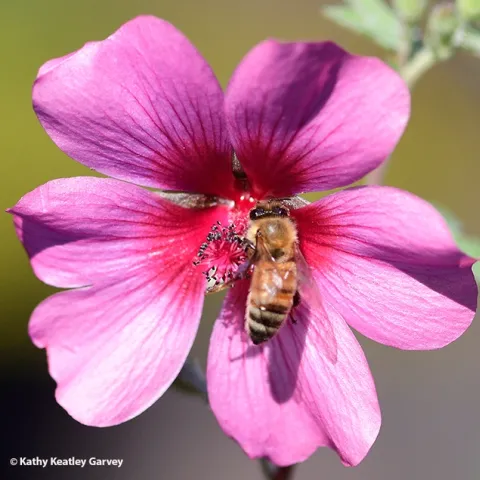
A honey bee today (Dec. 5) forms the centerpiece of a mallow, Anisodontea sp. "Strybing Beauty." (Photo by Kathy Keatley Garvey)

U.S. Honey Bee Losses Highest Since 2010-11

December 5, 2024
By Kathy Keatley Garvey
The American Bee Journal (ABJ) and Bee Culture just released the preliminary results of the annual U.S. Beekeeping Survey and the news is not good. "U.S. beekeepers lost an estimated 55.1 percent of their managed bee colonies in 2023-24--14.
View Article
Primary Image
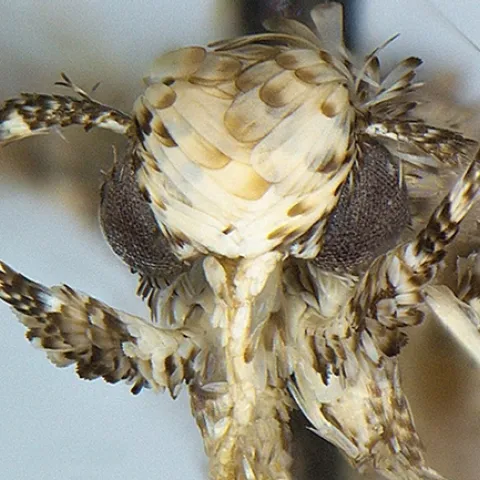
Close-up of the head of a moth, Neopalpa donaldtrumpi. (Photo courtesy of Vazrick Nazari)
Bug Squad: Article

A Moth Named for Trump, Snopes, and the Bohart Museum of Entomology

December 4, 2024
By Kathy Keatley Garvey
It's not every day that Snopes "gets involved" in setting the record straight regarding a moth linked to an entomology department--specifically the Bohart Museum of Entomology, UC Davis Department of Entomology and Nematology. The back story: On Jan.
View Article
Primary Image
UC Davis student Emma Vazquez

Food Waste Project: Emma Vazquez on the Mike!

December 3, 2024
By Kathy Keatley Garvey
Over the Thanksgiving holiday week, American consumers tossed out about 200 million pounds of turkey, according to the Natural Resources Defense Council. In fact, American consumers waste 60 million tons of food a year, statistics show.
View Article