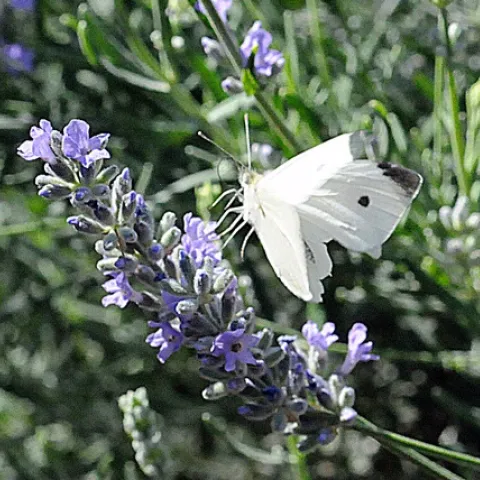
He did it. I knew he would Hardly anyone can beat University of California, Davis professor Arthur Shapiro in finding the first cabbage white butterfly of the year. For the past 38 years, he's been hosting a "Beer-for-Butterfly" contest.
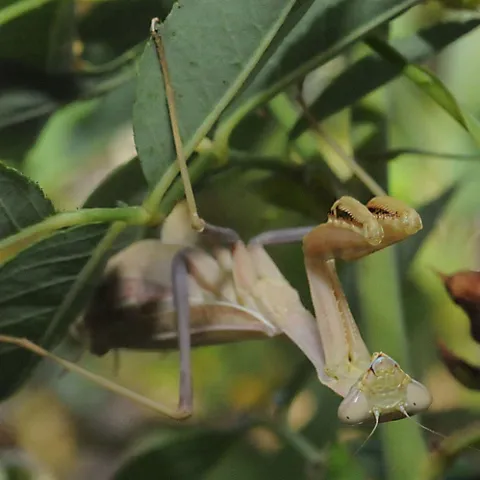
The praying mantis glared at me. It was not afraid of me, my camera, or my jockeying around to get a better position. When I captured the image (below) last fall in a neighbor's garden, I decided that in 2009, I would get my very own praying mantis. Or maybe dozens of them.
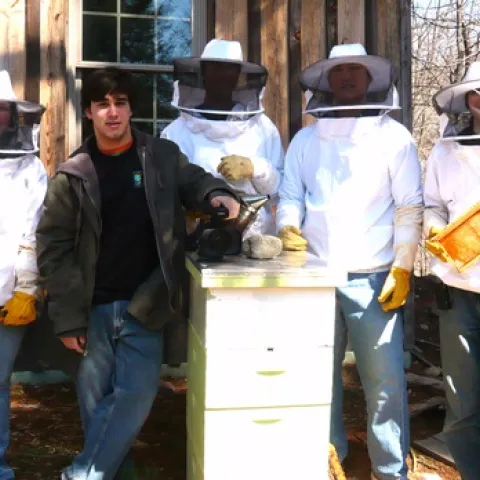
Dianne DiBlasi is frustrated. Shes the advisor of Team B.E.E.S. (Bergen Environmental Effort to Save Bees), a group of six high school students in Allendale, N.J. involved in a honey bee project.
Dear Bee Scientists, wrote 6-year-old Katie Brown of Phoenix, Ariz. I am giving this money to you so you can help the bees. I love the bees. She enclosed $20 from her allowance savings. Hannah Fisher Gray, 11, of Wilmington, Del.
If you meander over to the Bohart Museum of Entomology, UC Davis campus, you'll see a very tiny predator that looks for all the world like a green leaf. It's the Gambian spotted-eye flower mantis and it's one of the many live specimens housed there.