UC ANR is committed to providing an accessible and inclusive web experience for all users. If you encounter an accessibility barrier on this or need content in an alternative or remediated accessible format, please contact anraccessibility@ucanr.edu.
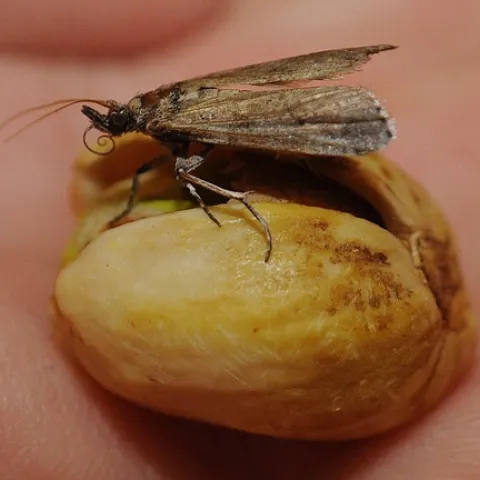
Chemical ecologists at the University of California, Davis, are changing their navel-orangeworm research direction after an elementary school students science project found that the major agricultural pest prefers pistachios over almonds and walnuts.
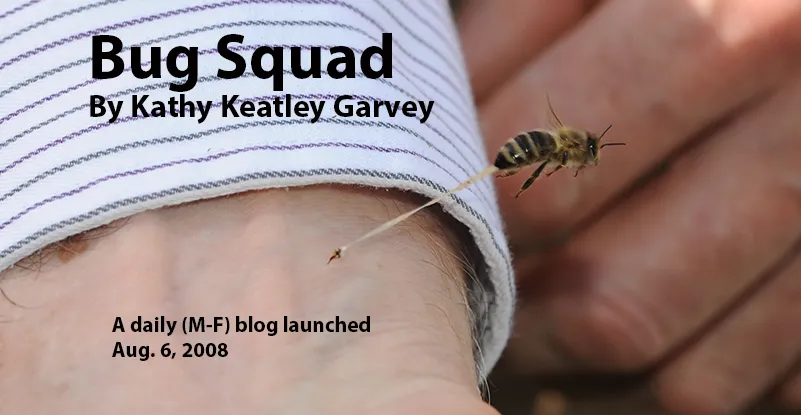
Twenty-nine days to go. If you love bees and know how to design a bee friendly garden, remember Jan. 30. Jan. 30 is the deadline to submit your design for the half-acre bee friendly garden at the Harry H. Laidlaw Jr. Honey Bee Research Facility, UC Davis.
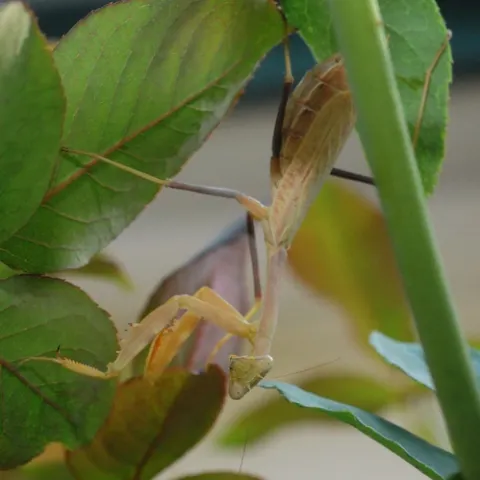
For my New Year's resolution, I resolve to turn over a new leaf. Oh, sure, most folks resolve to eat less, exercise more, drink less, read more, stress less, save more, gripe less, and volunteer more. Not me. I'm turning over a new leaf.
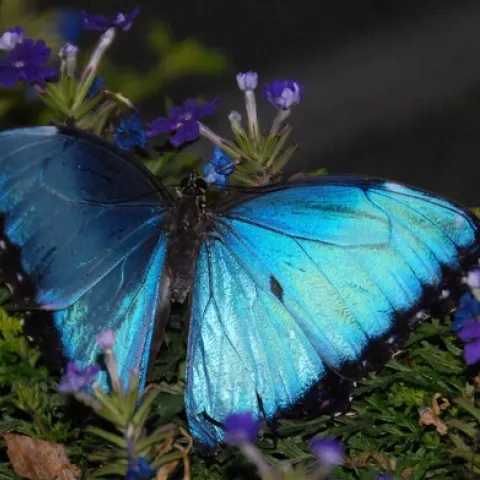
Ponce Denis couchard Lebrun compared the butterfly to a flying flower: The butterfly is a flying flower, The flower a tethered butterfly. At the recent Entomological Society of America meeting in Reno, a blue butterfly drew the attention of lepidopterists and photographers alike.
Right out of Champaign, Ill., comes a research story about honey bees on coke. Cocaine. University of Illinois entomology and neuroscience professor Gene Robinson and his colleagues have found that honey bees on cocaine dance more.