UC ANR is committed to providing an accessible and inclusive web experience for all users. If you encounter an accessibility barrier on this or need content in an alternative or remediated accessible format, please contact anraccessibility@ucanr.edu.
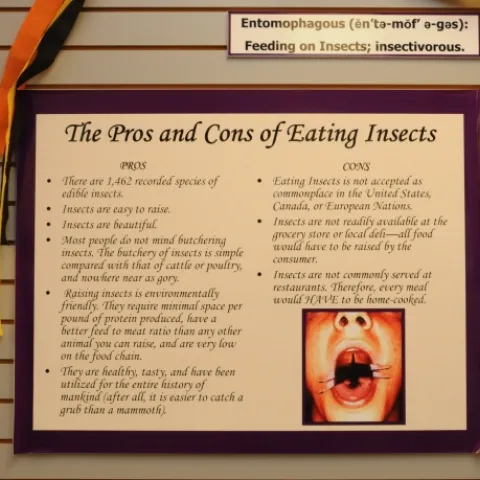
You may not know it, but you've eaten insects. Oh, yes, you have. The other day I meandered over to the Bohart Museum of Entomology, UC Davis campus, and a sign told me that. There it was--plain as day (as if a day can be plain).
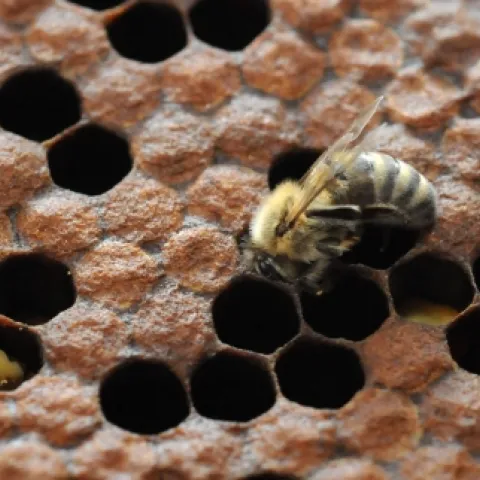
It's Tuesday, Nov. 11, Veterans' Day. I walked into our bee friendly garden hoping to find a honey bee. One buzzed erratically over the purple sage and rock purslane and disappeared. The rest are nestled in a hive somewhere, trying to ward off the cold.
Chances are if you walked up to a group of people and asked "Have you seen a Megachile today?" they'd stare at you blankly. What's a Megachile? It's a native bee, also known as a leafcutter bee. When most people think about bees, they think about honey bees, which are native to Europe.
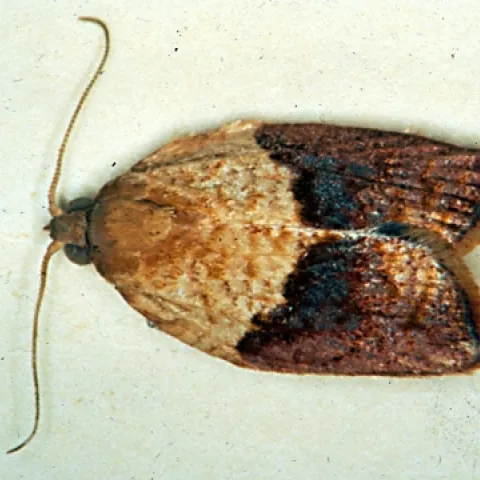
Not again! The light brown apple moth, also known as "the eat-everything moth" because its larvae dine on about 250 host plants, is back in the news again. We received a press release yesterday (Nov.