The Food Blog covers our latest research and extension work to advance and optimize the production and vitality of California's abundant agricultural commodities.
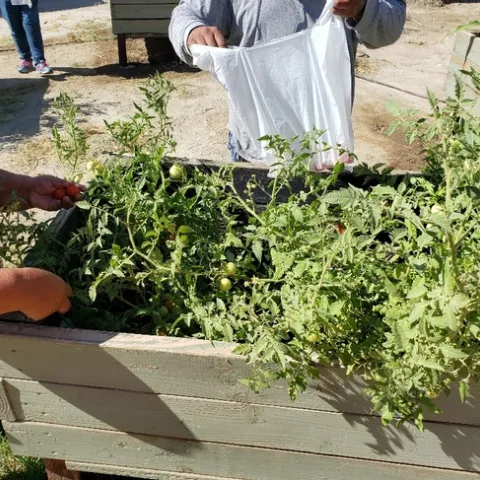
At the end of February, before COVID-19 disrupted normal life, members of the Torres Martinez Desert Cahuilla Indian Tribe, in a remote area of Riverside County, gathered to plant vegetables and herbs in the A'Avutem (elders) garden.
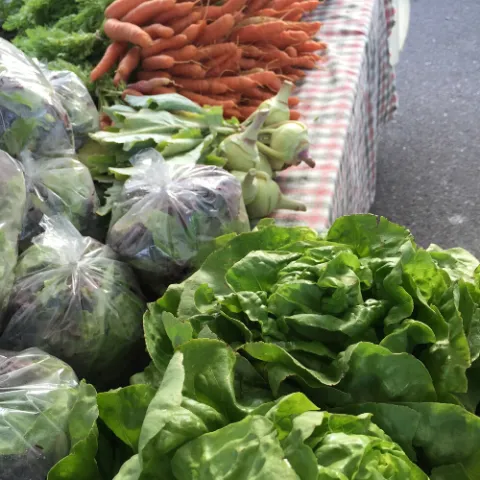
When California issued a statewide stay-at-home order to slow the spread of COVID-19 earlier this spring, a handful of essential services were exempted from the order. Along with grocery stores and agricultural operations, farmers markets were included as essential sources of food.
Most people are home a lot more right now. That can mean more time spent on meal preparation for ourselves and our families. Luckily, cooking at home is a great way to save money and eat healthier.
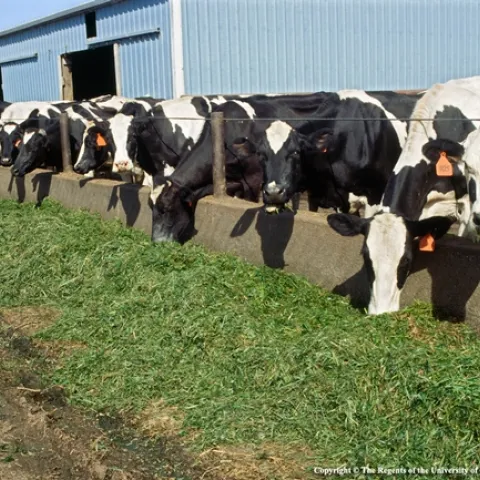
Empty grocery store shelves are troubling enough to California consumers who are accustomed to abundant supplies. To hear about farmers dumping milk, crushing eggs and plowing under crops when demand for food is strong just doesn't make sense to most consumers.
Growing up in a traditional Asian Indian household, home cooking was a part of the daily routine and a cultural practice. At the time, acquiring cooking knowledge and skills was an expectation and considered normal.