
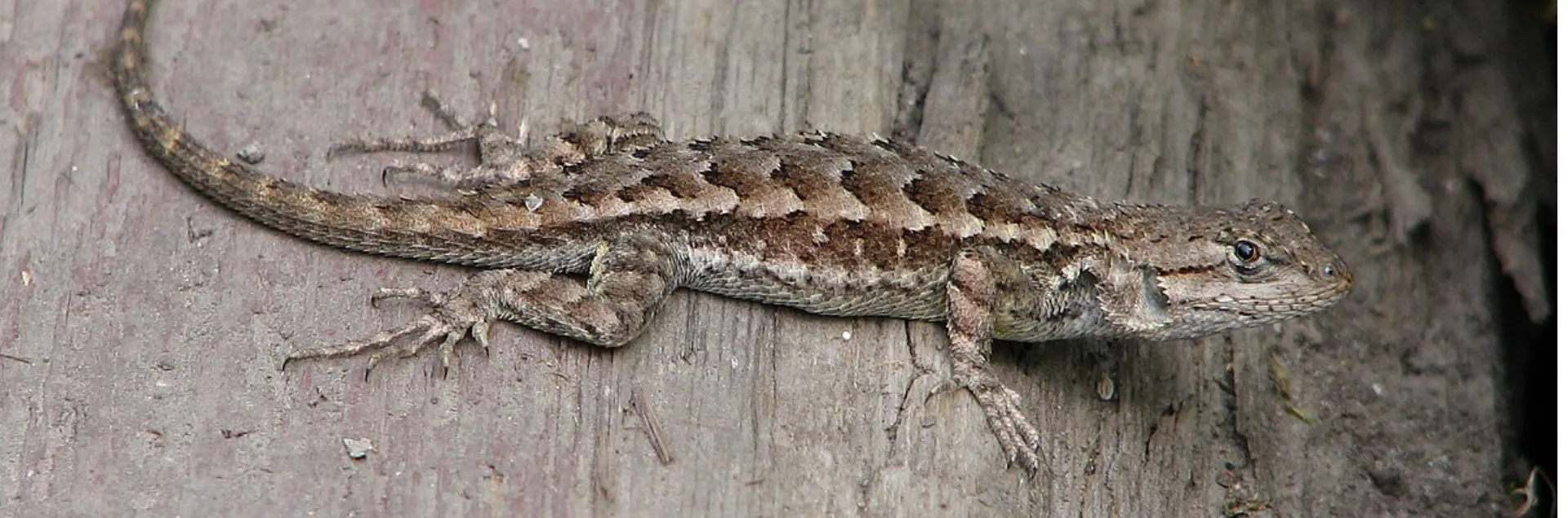

I walked into my yard one night a few years ago and came face to face with a bold and defiant Sceloporus occidentalis, or Western Fence Lizard. I couldn't have been more delighted.
I remember as a child chasing lizards when I lived with my grandparents in the mountains above Oroville. Once, I caught one. I looked down at my hand and realized it was only its tail. I cried until my grandfather explained it would just grow another tail, but I was convinced he was reading too much sci-fi. Sure enough, I watched it grow back another tail over time. What kind of creature can do such a thing?
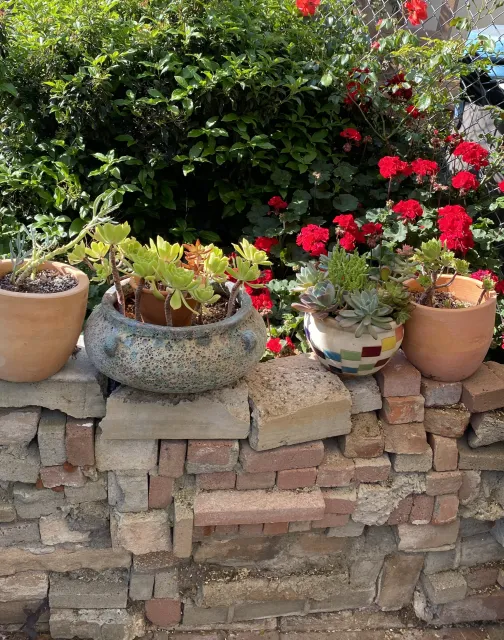
I named the lizard I recently found Geronimo, and set about constructing a lizard habitat in my backyard garden, hoping he would invite his friends. Now, 3 years later, he is a good 6 inches snout to vent, and his tail is just as long. I admit he startles me sometimes because I’m used to the smaller lizards darting to and fro (we had about 10 last year), but he just hovers immovable on the stucco facing the east. Fat, lazy, filled with the inertia of advanced middle age, he lets me get up close for a one-sided conversation, as long as I don’t block the sun.
The fact that he is fat pleases me because he eats ants, beetles, aphids, grasshoppers, flies ... all the things that annoy me. He does not meddle with my vegetable garden, including root vegetables. In exchange, I have provided him with flat stones, a small woodpile, sun pockets, native plants and places to hide from his worst enemy: neighborhood cats.
Right now, in winter, I miss him and his quick-darting offspring. They don’t hibernate, per se, they brumate, a winter dormancy where their metabolism slows dramatically. He is probably in one of the protected sandy areas I’m careful not to dig around, on the odd chance I feel like weeding. I’ll see him again as early as next month when he ventures out in the sun to get the lay of the land.
In June I’ll keep an eye out for their leathery eggs, most likely covered with sandy soil. They hatch fully independent of the adults, which I rather envy. Unfortunately, although they lay as many as 15 eggs, not many survive. In my neighborhood, opossums, ants (ironically since they will grow to eat ants), and birds are the prevalent egg predators.
Not sure how much longer we will have Geronimo. His species only lives 5 to 8 years. But he is a joyful addition to my garden experience.
_____________
Written by UC Master Gardener Judy Ryan