By Cheryl A Wilen, Tunyalee Martin, Thomas J Getts
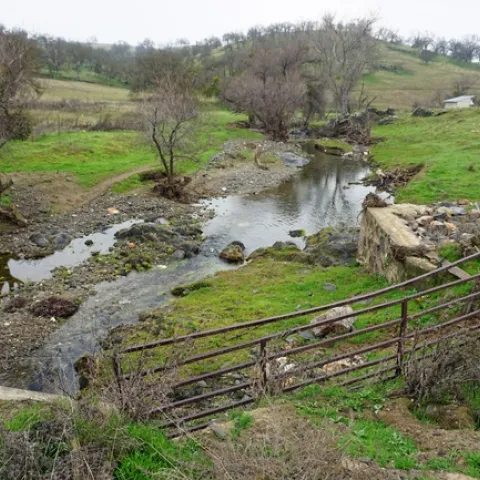
California has abundant wildlands forests, rangeland, open areas, wildlife refuges and national, state, and local parks that need protection from invasive plants.
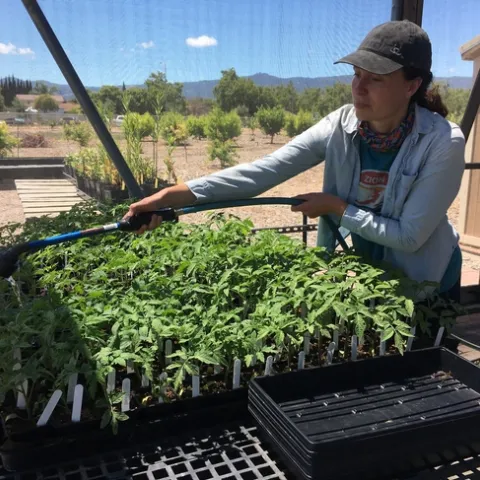
Extreme drought is changing agriculture across California and urban farming is no exception. Many community farms and gardens cultivate land owned by city or county departments, schools and private landowners.
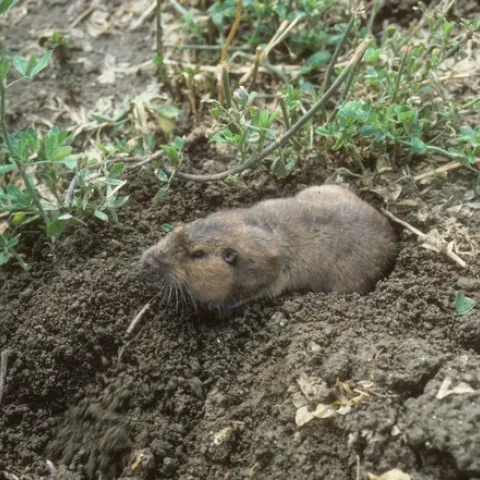
Burrowing rodents can cause extensive and expensive damage to orchards and crop fields. To manage the pests without chemicals used on conventional farms, organic growers can consult a new publication from UC Agriculture and Natural Resources scientists.
You hear it every time drought returns to California: Turn off the faucet when you brush your teeth. Collect shower water in a bucket before it warms up.
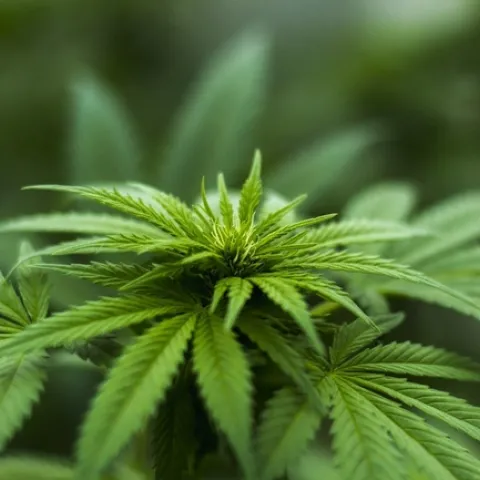
Adding to a growing body of research about hemp cultivation, UC Cooperative Extension advisor Sarah Light and UCCE weed specialist Brad Hanson studied the symptoms of herbicide drift on this high-value commodity that is now being produced in many parts of California.