

Introduction
After you've enriched your soil and readied your pots or your beds for the vegetables you want to grow in the early spring, you'll need to decide whether to begin with seeds planted directly into the soil or to transplant already-started plants (“starts”) you get from a nursery or other source. Here’s a practical guide for making the seeds vs starts choices that should help you obtain bountiful harvests through the growing season. In the first section below, we present general advantages and disadvantages of choosing seeds vs starts. The second section gives examples of vegetables that can be planted by a mix of seeds and/or starts together.
General characteristics of each approach
Advantages of planting seeds
There are a number of good reasons for direct-planting seeds into your soil. Some main ones are listed below.
- Seeds are generally cheaper than buying starts, especially if you plan to grow more than one or a few plants.
Availability of seeds is typically greater for a broader range of plants than you can buy as starts in nurseries. Figure 1 provides an example of an unusual salad green that is not generally available as a nursery start.
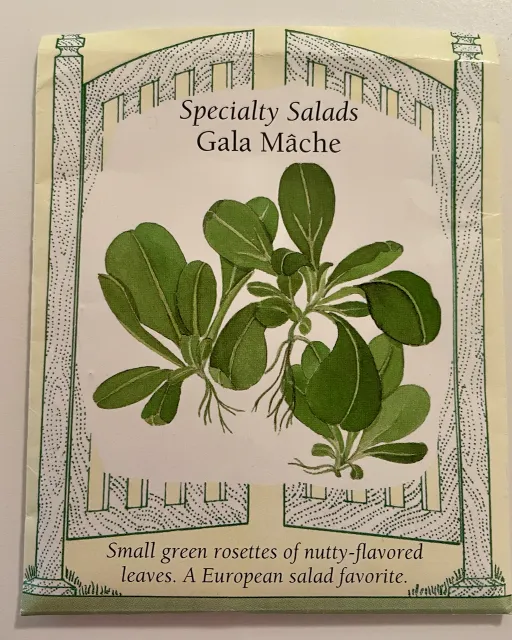
Fig.1, Mache is a salad green not usually carried as starts in nurseries. Photo: Patsy Babbitt, UC Master Gardener. - Vegetables that mature fast to produce early harvests can be sown more than once in “successive plantings” throughout the growing season. Examples include radishes and leafy greens, as well as such crops as peas, some types of beans, and early cucumbers.
Disadvantages of planting seeds
Despite their advantages, there are some good practical reasons to skip the seeds and go with starts for some of the vegetables you want to grow.
- Direct-seeded plants will usually take more time to mature than the same vegetables planted as starts. Although there may be plenty of time for late-maturing species such as corn, melons, or peppers to mature in the hotter eastern areas of Alameda County the same plants started from seed in the cooler areas nearer the coast may not mature in time for the harvest you expected. Some gardeners get around this problem by starting seeds indoors during the late winter so they can be ready for transplanting from their own starts. For example, this may be required for heirloom species for which starts are not available from nurseries. If you are interested in this option, see the indoor seed starting Blog from the Alameda Masters Gardeners for instructions.
- Some seeds can be tricky to germinate.
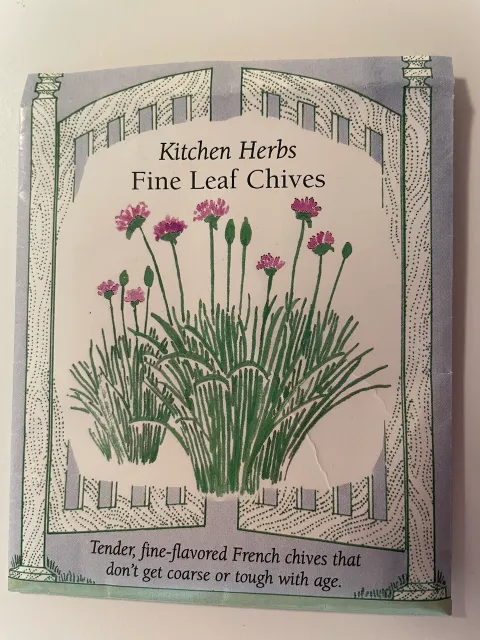
- Fine leaf chives (Figure 2) and parsley seeds germinate unevenly over several weeks. They need to be kept moist so that a dry spell in the spring can prevent them from germinating.
- Many seeds require a minimum soil temperature for germination so that an unexpected cold snap or rain can prevent germination. These include beans, snap peas, early cucumbers, and zucchini. Seed packets typically provide information about minimum temperatures required for germination.
- Some seeds are finicky about how deep they are planted. Carrots and arugula should be planted no deeper than 1/4” and may fail to germinate if planted more deeply. For example, lettuce typically germinates in a few days when spread on the soil surface, but if it is planted deeper than 1/8 inch, it can fail to germinate.
- Beans should be planted an inch deep and are normally easy to grow. Yet after a few days of cold rain, they can rot in the ground before germinating.
Many vegetables started from seeds are especially vulnerable to pests. Because they are tiny, newly germinated seeds are often more at risk than transplanted starts. For example, some leafy greens or the first sprouts of beans offer a favorite meal for hungry birds and marauding snails unless you protect them with permeable fabric covers (“row covers”) or cover them with plastic baskets left over from buying cherry tomatoes (Figure 3).
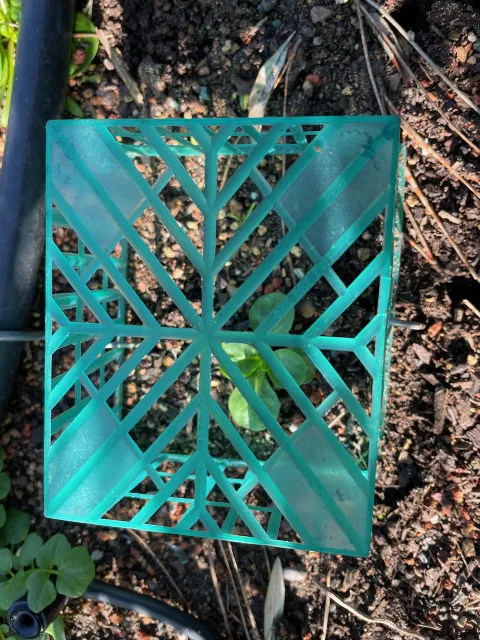
Mache seeding protected by a plastic basket. Photo: Patsy Babbitt, UC Master Gardener.
Relative advantages of planting starts over seeds
You can avoid many of the complications that may occur from direct-seeding your vegetables by transplanting starts from the nursery. This strategy bypasses the germination phase issues for the seed-starting process and often allows for an earlier harvest than the same plants started from seed.
- For cooler microclimates, planting starts may be needed for crops that require most of the season to mature.
- Plants bought from the nursery are already in good shape and unlike tiny direct-seeded plants are ready to transplant right away.
- If you have limited space, you likely need only one or a few of each type of plant, minimizing the cost disadvantage of having to buy multiple starts. A well-stocked nursery will usually offer a sufficient variety of vegetable starts for many gardeners.
- Compared to seed packets, starts from your local nursery will likely be appropriate to the microclimate where you live.
While the general information given above may help you think about the advantages and disadvantages of planting vegetables from either seed or starts, in depth directions for growing specific vegetables are also needed for a successful garden plan. For seeds, the information provided on seed packets gives much of the key information you will need. Likewise, plant labels accompanying nursery starts often provide useful cultivation information, as explained in our blog on reading plant labels. Other resources such as relevant articles available from the University of California Agriculture and Natural Resources (UCANR) programs such as the Master Gardeners Program are listed at the end of this Blog.
A practical guide for choosing seeds and/or starts for some popular vegetables
Tomatoes
Because tomatoes are large plants that can produce a great amount of fruit, many gardeners have space for only a few plants, making them economically reasonable to grow from starts. Nurseries often contain many different tomato species ranging from large 6-foot high monsters that need heavy cages to support them to miniature types that do well in containers. Whether you want to grow heirloom, beefsteak, or the tiniest of cherry tomatoes, you'll likely find starts available. As tomato starts can be sensitive to cold spring temperatures, take care not to plant your starts too early. Another reason to use starts for tomatoes is that they generally require a long growing season so that planting seeds may not give these plants time to mature, especially in cooler microclimates of the county.
Vegetables that are easier to grow from seed
Root vegetables don't transplant well and grow best from seed direct-sown in the soil. These include beets, radishes, and bunching onions and leeks. Both dill and parsley can be tricky to grow from starts for the same reason. One strategy for growing these latter two is to plant starts from the nursery as early as they are available, and at the same time scatter seeds of these same plants near them to give yourself insurance against problems with the growth of your original starts.
Vegetables that prefer to be directly sown from seed.
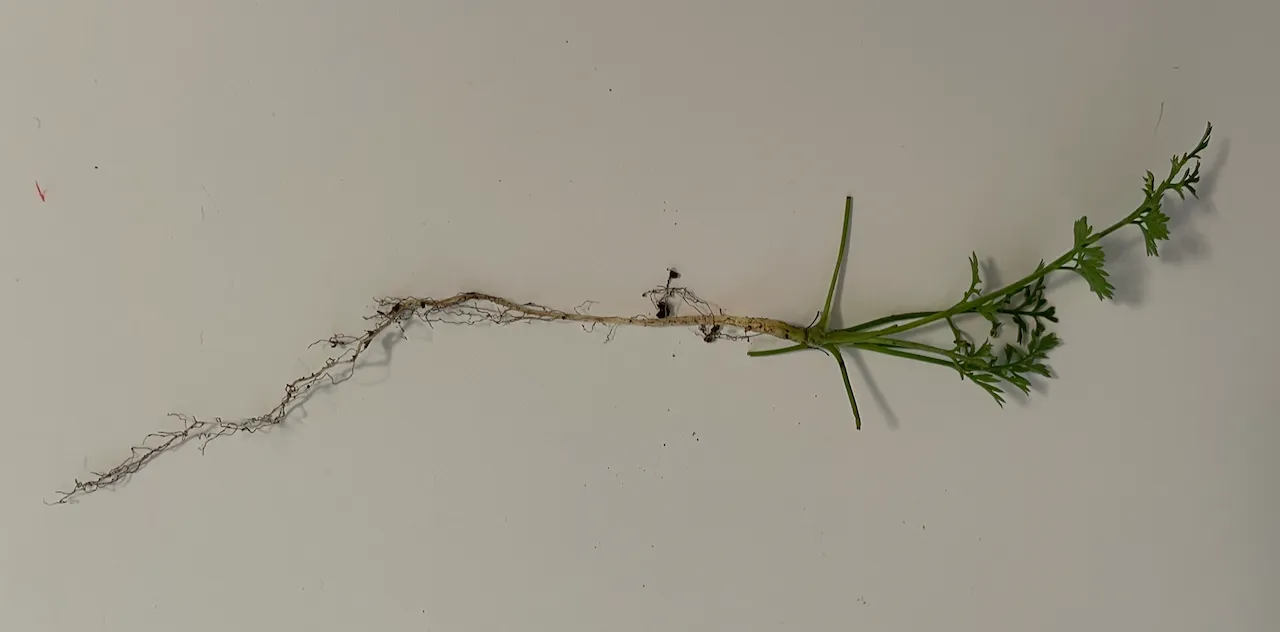
Snap peas, beans, and cucumbers do well when planted from seed once the soil is warm enough (all of these plants are sensitive to sudden hot spells as well). They all grow fast and should be thinned according to the seed packet directions. For growing in pots, to catch up on late planting or after a prolonged rainy season, nursery starts can also be used. Carrots are one of the few vegetables that should only be grown from seed as their taproots are easily damaged by transplanting (Figure 4).
Vegetables that can do well planted both from seeds or starts
- Most home gardeners grow only a small number of summer squash or zucchini, so they can be grown cheaply from starts. But they generally prefer to be sown from seed because they have sensitive roots that can be damaged by transplanting. Their root systems tend to be stronger and deeper when grown from seed. Little growing time is lost by planting seeds as these plants are fast growers and produce harvestable vegetables in about the same time as starts would.
- Leafy greens are frequently grown from seeds although multiple varieties of lettuce are available as starts from nurseries. This can be a good option as starts grown from seed are tiny when first germinated and vulnerable to birds that find them very tasty. These plants are actually easy to germinate from seed but can be somewhat tricky for beginners because they should be scattered on the surface of the soil or planted no deeper than 1/8. inch, leaving them vulnerable to washout from sudden rains. They do well when grown in pots. Arugula grows very fast when direct-seeded, producing cuttable greens in about the same time as starts would do.
Final thoughts
While the information provided here is meant to help you decide on a good general strategy for choosing seeds vs starts for your vegetable garden, there are few fast rules that will be appropriate for all situations. For example, if you have enough space for multiple plants you’ll probably choose to plant from seed if you can. If you mostly garden in pots, planting starts from the nursery may be the way to go. The microclimate where you live is another consideration. For example, if you live in an area of Alameda County with hot summers, growing snap peas or lettuce from seed may be limited to planting in the cooler parts of the year. While this guide can be used as a good starting point, it can take a while to settle on your own best strategy for growing vegetables from seed or starts, always taking into account the vagaries of each year’s weather.
References and resources
The links given for specific information provided in the text of this Blog are not repeated in this section. The links provided here are intended to offer some additional science-based information relevant to vegetable gardening not explicitly covered in this Blog.
The UC Agriculture and Natural Resources (UCANR) Vegetable section provides comprehensive resources for home gardeners and commercial growers, focusing on California-specific planting, soil management, and pest control
UC Marin Master Gardeners Blog on Seeds and Starts: https://ucanr.edu/site/uc-marin-master-gardeners/seeds-starts
UC Master Gardeners of Santa Clara County Vegetable planting Chart: https://ucanr.edu/site/uc-master-gardeners-santa-clara-county/vegetable-planting-chart This chart provides an extensive list of information about planting seeds or starts for a large collection of vegetables. Although it is focused on Santa Clara County so that the planting times likely differ from many Alameda County microclimates, its extensive listings for both seeds and starts may be broadly useful.
Want to learn more?
This blog post is brought to you by the Help Desk of the UC Master Gardeners of Alameda County. Subscribe to our blog!
Have a Gardening Question? We'll Help.
Visit our Help Desk page to submit your question and see additional ways you can reach us.