Forget Spotify Wrapped – can you guess which pests received the most hits on UC IPM’s Pests Notes page this year? Here are the top ten pests that made your year:
(1) Carpet Beetles
For several years, carpet beetles have been in the top 5 on our playlist. Immature carpet beetles feed on natural fibers such as wool, silk, or furs. The adults may be brought into the home on cut flowers or when they fly in through open doors, windows, or holes in screens. Regular cleaning of rugs, upholstered furniture and can prevent infestations or reduce damage. Check out the Pest Notes: Carpet Beetles for more information.
(2) Fungus Gnats
Are little flies dancing to the music in your living room? They may be fungus gnats. Fungus gnats are small flies that often infest soil and potting mix. They can be a common problem in overwatered houseplants with larvae, or immatures, damaging roots and stunting plant growth when present in large numbers. More information on these frustrating flies can be found in our Pest Notes: Fungus Gnats.
(3) Whiteflies
White Wedding? White Christmas? No, whiteflies are in our top 5. Whiteflies are not actual flies but are tiny insects that are often found on the underside of leaves, feeding on the phloem of many different plants. Some species can cause significant loss in vegetable gardens; other species found in fruit trees are less damaging. Both adult and immature whiteflies also attack houseplants. Management information can be found in Pest Notes: Whiteflies.
(4) Springtails
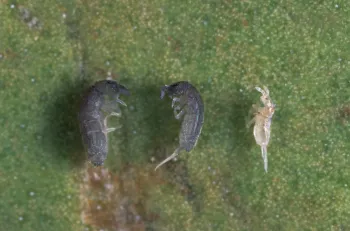
Move over Springsteen, springtails were oddly popular in 2025 as pests around people’s homes. These creatures are small, jumping, insect-like creatures that live in soil but can invade homes looking for moisture. You might see them near kitchen sinks and bathtubs, as well as in the soil of indoor houseplants. They often appear in the spring and early summer but can be found year-round in moist environments. Learn more about this pest in Pest Notes: Springtails.
(5) Thrips
Another popular repeat in the top of our charts are thrips! These tiny insects sometimes found on houseplants, thrips are slender insects about the size and shape of half of a sesame seed. They suck out the cell contents, leaving a discolored speckling on leaves or stunting plant growth. For more about thrips monitoring and management, visit our Pest Notes: Thrips.
(6) Spider Mites
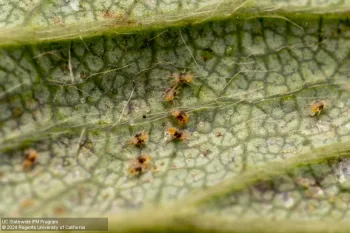
You “No Doubt” have run into “Spider Webs”, but spider mites are something different. Spider mites thrive during dry, dusty conditions and you might not spot them until large populations build up and cover your plants with their webbing. Luckily, there are natural enemies of spider mites that help keep their populations in check, including the western predatory mite. Learn management techniques at Pest Notes: Spider Mites.
(7) Aphids
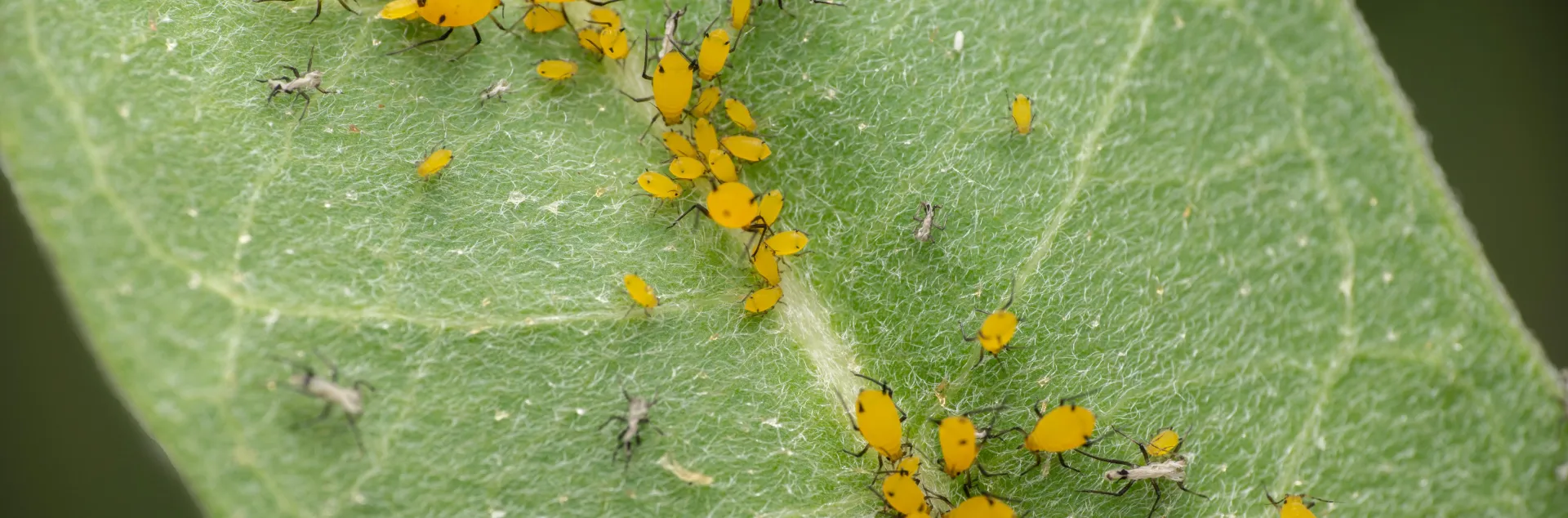
A favorite for all ages—aphids! These insects may be small, but they can quickly build up large populations. With many different species in California that feed on vegetables, flowers, fruit trees, and woody ornamentals, aphids are a common sight in landscapes and gardens. Learn more about aphids and their management in Pest Notes: Aphids.
(8) Scales
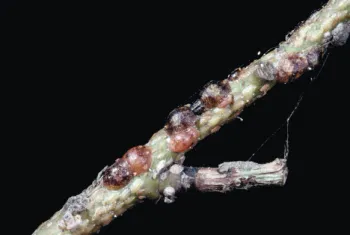
Musicians on Spotify are well beyond practicing their scales. But wait—these scales are the insect kind. Scales are small, legless insects that look like tiny scabs on the stems, leaves, or fruit of plants. While some scale species can weaken a plant when abundant, other species don’t damage plants at all. Think you have a problem with these insects? Visit our Pest Notes: Scales for identification and management options.
(9) Clothes Moths
When Weezer sings the Sweater Song, I doubt they were thinking of clothes moths, but many visitors to our website were! These pests tend to hide when disturbed, so you may not realize you have an infestation until after the moths have already damaged fabric, fur, or feathered items. Some clothes moths make webs while others are casemaking moths. Regularly monitoring and cleaning clothing and storage areas can help prevent or reduce infestations. Find more identification and management information from Pest Notes: Clothes Moths.
(10) Peach Leaf Curl
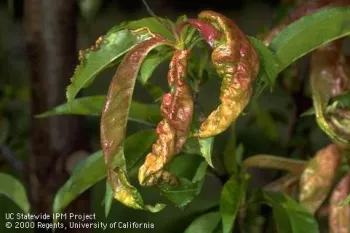
Curls. Makes me think of hair bands from the 80s and 90s. Peach leaf curl can affect the blossoms, fruit, leaves, and shoots of peach and nectarine trees. The symptoms of the disease first appear in spring, when distorted red foliage emerges but the infection begins much earlier. Focus management for nonresistant varieties in the late fall and early winter, after leaves drop. Read more about this disease in our Pest Notes: Peach Leaf Curl.