Pests in the Urban Landscape

Urban neighborhood and park.

The Pests in the Urban Landscape blog shares the latest resources and information from the UC IPM Urban & Community team to help you sustainably manage pests in the home, garden, and landscape. 
Primary Image
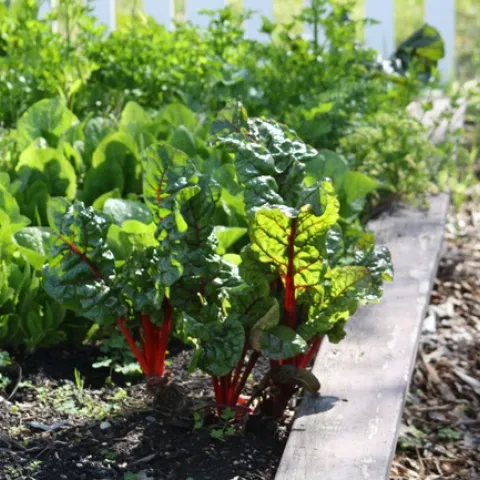
Figure 2. Beets growing in a garden bed. Photo by Jennifer Baumbach, UCCE.
Pests in the Urban Landscape: Article

Applying Pesticides around Edible Gardens

September 2, 2021
If your company does residential landscape pest control, your employees should be trained to know what to do when they encounter a vegetable garden, or fruit or nut trees in a yard (Figure 1).
View Article
Primary Image
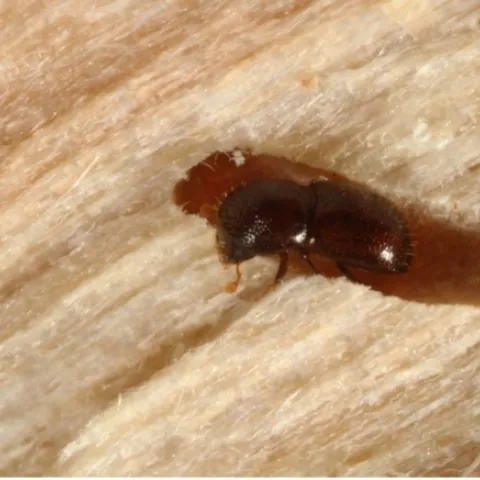
A small black brown beetle in a tunnel gallery in a piece of wood.
Pests in the Urban Landscape: Article

Invasive Shothole Borers – An Ongoing Threat to California’s Trees

August 9, 2021
By Randall Oliver, Beatriz E Nobua Behrmann
Two identical looking species of wood-boring beetles, collectively known as invasive shothole borers (ISHB), have killed thousands of trees in Southern California and pose an ongoing threat to California's urban and wildland forests.
View Article
Primary Image
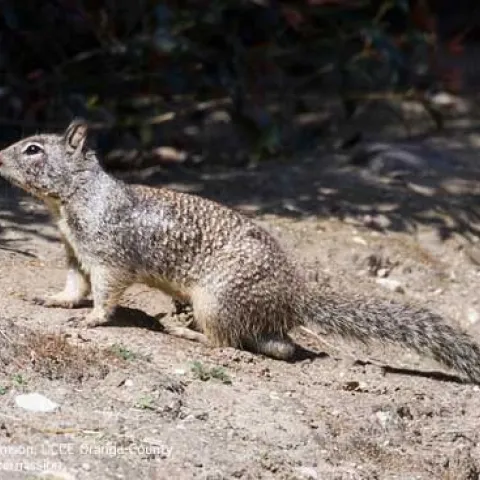
A California ground squirrel on dirt.
Pests in the Urban Landscape: Article

Summertime California Ground Squirrel Management

August 4, 2021
By Niamh M Quinn, Carolyn Whitesell
Summer is upon us so what does that mean for California ground squirrel management? As a practitioner of IPM, you are likely aware that effective ground squirrel management requires an integrated approach, including knowledge of pest biology.
View Article
Primary Image
California Department of Food & Agriculture logo
Pests in the Urban Landscape: Article

CDFA Issues Another Stop Use Notice on 'Organic' Herbicide

July 30, 2021
By Karey Windbiel-Rojas
The California Department of Food and Agriculture's (CDFA) State Organic Program (SOP) is issuing this Stop Use Notice regarding the use of W.O.W. (WHACK OUT WEEDS!) and ECOMIGHT-PRO products manufactured by EcoMight LLC. These products are herbicides that are marketed and labeled as organic. W.O.
View Article