The Pests in the Urban Landscape blog shares the latest resources and information from the UC IPM Urban & Community team to help you sustainably manage pests in the home, garden, and landscape.
This week much of California is under a heat advisory or excessive heat warning, with high temperatures estimated to range from 90 to 108 degrees. Many home gardeners are wondering how they can help their plants, trees, or shrubs survive the intense summer heat.
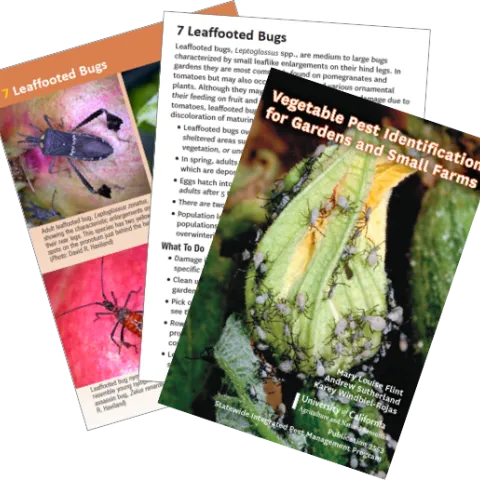
While working outside, gardeners and farmers may discover pest problems they need to answer quickly. To meet this need, the University of California Division of Agriculture and Natural Resources has recently published the Vegetable Pest Identification for Gardens and Small Farms card set.
Keep your lawn healthy during summer and throughout the year by learning more about proper mowing, watering, pest control, and maintenance. To do this, refer to the UC Guide to Healthy Lawns, an online publication specifically about lawn care.
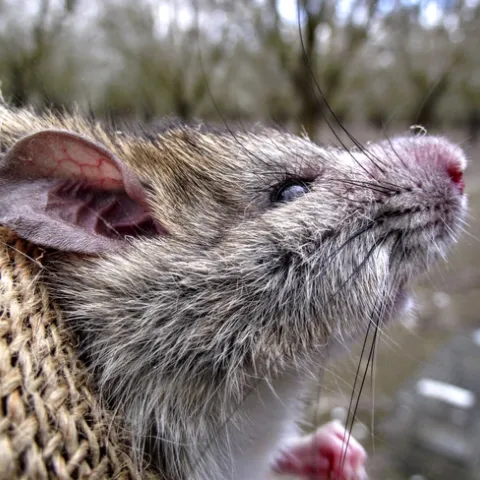
It is important for food-safety reasons to manage rats in school and community gardens. Rats and other wildlife can carry a number of diseases that can be deposited in the form of urine and feces on fruit, vegetables, and in the soil.