The Real Dirt blog covers regional gardening issues from soil health to planting for pollinators; from fire resistant landscaping to attracting wildlife. Read all about it!
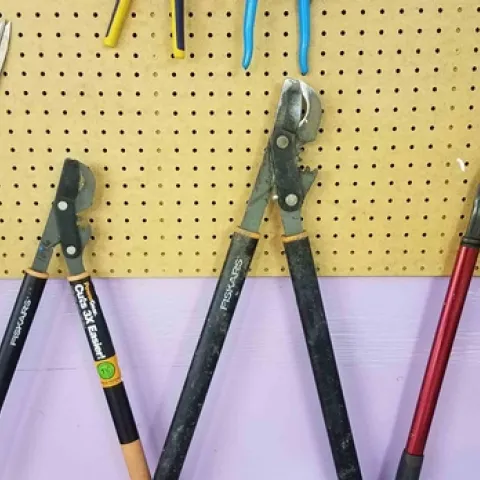
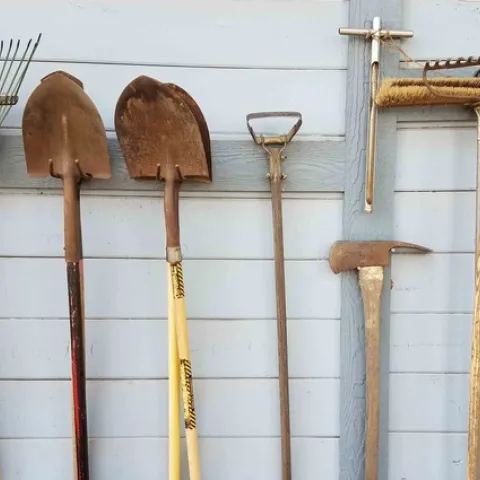
People new to gardening often ask what tools are needed to maintain their gardens. It's easy to become overwhelmed by the scope and variety of garden tools available in stores, online, and in garden catalogues.
Spring is just around the corner, and it's time to make sure your garden tools are in peak condition. Good maintenance not only prolongs the life and usefulness of garden tools; it also improves their performance in the garden. In addition, clean tools help prevent the spread of disease.
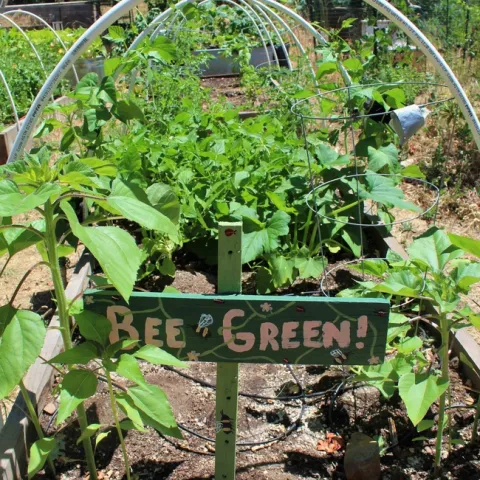
One of the many tragedies of the Camp Fire was the destruction of the Norton Buffalo Hall, which not only provided a meeting place and concert venue for the community and beyond, but was also the location of very popular community gardens.
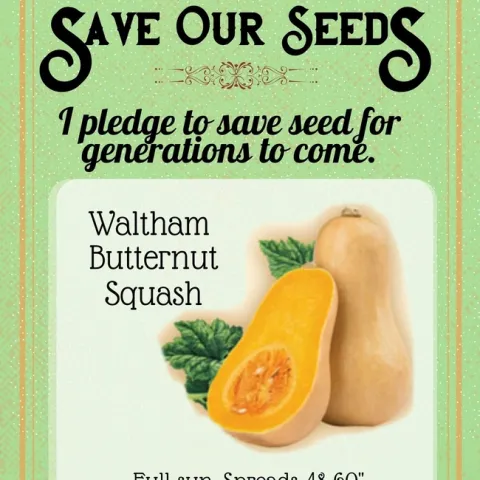
Our survival begins, and ends, with seeds. Making sure there is sufficient diversity and supply of viable seeds, people to grow them, and a supply of the nourishing food they produce is a core philosophy of the Butte County Local Food Network.
Northstate residents prize large trees for their beauty and the shade they provide. There are other environmental benefits to mature trees as well. They encourage biodiversity, offset carbon emissions, and reduce energy costs for the homeowner.