
Article by Peg Smith -
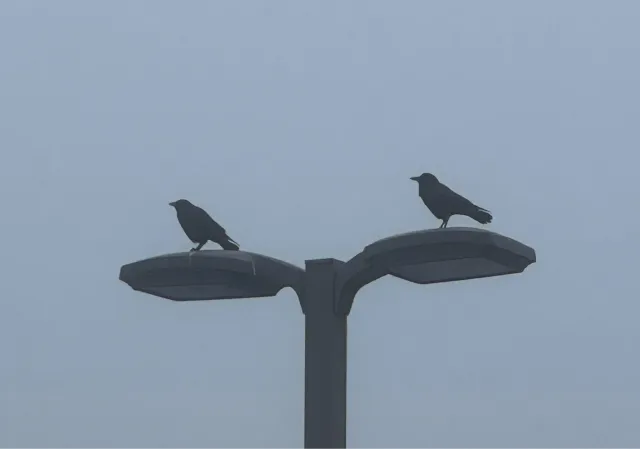
In troubled times, a morning walk.
In the chill of a fog muted morning,
The raucous call of the crow,
The burble of seagull calls,
The shout of the hawks,
The seasonal call of the flicker,
The tweets and peeps of crowned sparrows,
The signaling of geese high and obscured,
Touch my ears and warm my heart.
Winter Cleanup
Resist the urge to give the garden a good clean up on a sunny afternoon; many of our beneficial insects and native bees will be sheltering in dried stalks, under leaves, and in the ground. Continue preparations for the busy spring planting season. Clean and rinse pots with a diluted solution of bleach – one part bleach to nine parts water. Check pots after any rain; shallow pools of water will provide egg-laying opportunities for mosquitoes. Clean and sharpen tools. Check shelves and dispose of old or unneeded pesticides and herbicides. Yolo County Landfill accepts household hazardous waste on Thursdays, Fridays, and Saturdays from 7:30 AM – 3:30 PM.
Bulbs, Corms and Rhizomes
We tend to think of bulbs as something planted in the winter (October-December) to bloom in the spring, but there are a variety of bulbs, also corms and rhizomes that can be planted throughout the year to add variety to the garden with their seasonal showing of color. The following recommendations have low water or minimal irrigation needs.
| Name | Type | Planting Time | Bloom Time | Comments |
|---|---|---|---|---|
| Amaryllis (naked lady) | Bulb | February | Summer | Bloom appears about 6 weeks after foliage dies back in late spring or early summer. |
| Canna | Rhizome | February | Spring Summer | Cut bloom stalk to the ground when finished. |
| Crocosmia | Corm | February | Spring Summer | Great cut flower, and hummingbird attractant. |
| Dahlia | Tuberous root | February March | Summer Fall | Needs care to encourage large blooms, may need support, can be susceptible to powdery mildew. |
| Gladiolus | Corm | February | Spring Summer Fall | Prolific cut flower, plant in 1-2 week intervals over 4-6 weeks to prolong bloom period. |
Hippeastrum (giant amaryllis) | Bulb | October - February | Spring | Often grown in pots. Care: water and feed through summer until leaves yellow. Withhold water and let plant dry out. |
| Lily | Bulb | February - March | Summer Fall | Many species and hybrids are available. There are also some summer blooming natives. |
Tigridia (tiger flower) | Bulb | February | Summer | Gophers do like these bulbs. |
| Tuberose | Rhizome | February | Summer Fall | Should return with bloom year after year. |
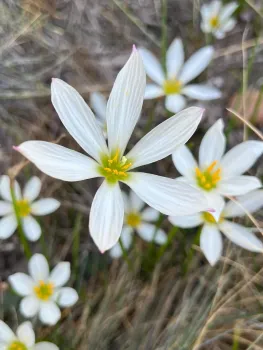
Zephranthes (Argentine lily) | Bulb | Anytime | Summer Fall | Low water but prefers periods of wet and dry. Will multiply to give a good showing of crocus like flowers. |
Water
Check potted plants for moisture, even though it is cool, plants still need moist soil. Dormant plants also need to have adequate moisture in the soil for healthy spring production of foliage, bloom, or fruit.
Our dams are at a healthy level to take us through the hot summer, but conservation practices of checking irrigation systems for leaks and not over watering if we enter a dry period should be continued year-round, as our water supply is always dependent on the next winter’s delivery of water and snowpack.
Frost Protection
Cover succulents and sensitive plants with old sheets if a heavy frost is forecast. Do not use black or clear plastic. Most plants can tolerate a short period of freezing overnight, but will be damaged with prolonged freezing or if there are unusually cold temperatures in the twenties.
Fruit
Plant bareroot fruit trees and berries. Check the list of recommended Fruit Trees for Yolo County. Finish pruning fruit trees and dormant spray (pesticides applied to plants when they are dormant or just beginning to bud). For more information on which dormant sprays to use and the timing of spraying, please see UC ANR's Winter Pest Management in Backyard Deciduous Fruit Trees. Pruning done at this time of the year will encourage strong spring growth. For information on pruning, see UC ANR's Fruit Trees: Training and Pruning Deciduous Trees.
Ornamentals, Annuals and Cool Season Perennials
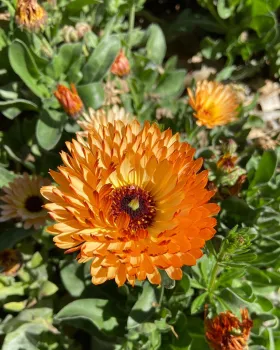
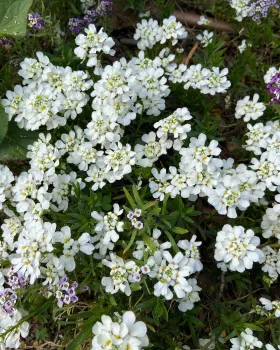
Finish pruning roses, strip old leaves for disease prevention. Fertilize after new growth is seen. Planting annuals such as pansies, violas, snapdragons, calendulas, and poppies will add color to a spring garden. Asters, salvias, and California Fuchsia can be pruned down to new growth. Plant cool-season perennials such as cyclamen, hellebores, and Iberis, which will thrive and add color year after year. Now is a good time to plan the seed selection for summer annuals such as zinnias, cosmos, and marigolds.
Mulch
A three- to four-inch layer of mulch will retain soil moisture and prevent soil erosion from rain. Don’t forget to leave some areas without mulch in the garden to provide habitat for our ground-nesting California native bees.
Vegetables
Cool-season vegetables such as lettuce, beets, carrots, and spinach can be direct-seeded into the ground. To get a jump on summer vegetables, start seeds indoors for tomatoes, eggplant, and peppers.

Crow photo by Peg Smith, adapted; other photos from Central Park Gardens.
February Vegetable Planting Guide
Click the thumbnail image on the right to open a PDF of Peg's February Vegetable Planting Guide. This guide will tell you which Yolo County and Sacramento area vegetables are recommended for planting during the month of February, along with how and when to plant them.