

Article and photos (unless noted) by Peg Smith
Walking around the garden the familiar mantra of ‘I tried but it died’ ran through my head and I realized I also have an additional mantra ‘that’s dead but not dead enough yet - I’ll keep trying.’ Often from aesthetic point of view, anything that looks ‘dead,’ particularly in the fall and winter, is removed or at least trimmed and neatened. But before removing dead plants and material we need to consider our pollinators and beneficials. For pollinators and beneficials the dead stalks of flowers, small branches, or ground cover of leaves provide overwintering shelter for their next generation. Promoting the needed life cycle elements in the garden for our beneficials and pollinators helps reduce pest populations by supporting the natural ‘pest control’ cycle. For more information see The Xerces Society’s Nesting & Overwintering Habitat - For Pollinators and Other Beneficial Insects.
As we move towards our rainy season now is a good time to assess the garden to capitalize on rainfall as much as possible by keeping it on site. There are direct benefits to the garden by retaining rainfall, the soil is deep soaked, the water is ‘in the bank’ to carry plants and trees through any drier period in the winter. Dormant plants still require moisture. A plant that is not water stressed can more easily withstand the effects of prolonged frost. An added benefit is the reduction in storm water run-off which reduces street flooding.
Ways to Retain Water on Site
- Redirect downspouts to landscape areas allowing rainwater to infiltrate into the soil.
- Incorporate rain gardens, dry creek beds, and swales – vegetative or rocky - into your landscape.
- Consider permeable pavements that allow water to soak into the ground.
- Plan your landscape so that soil is not washed away. Mulch and impermeable borders such as rocks, walls, or wood prevent soil runoff into the stormwater system.
Ornamentals and Annuals
Do you have a bare area you are not sure how you will develop? Scatter California poppy seeds, gently rake the seeds into the top layer of soil, and gently water so that the fine seeds are not washed away. The developing plants will prevent soil erosion and reward you with a fine show of color in the spring. Early emerging native bees and honeybees will appreciate the pollen.
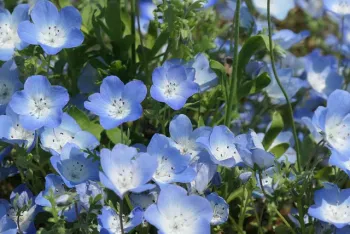
If growing your own seedlings for spring color, for each variety, plant seeds into seed pots at roughly two-week intervals from October to early November. As seedlings mature, add them to the garden about every two weeks, and the bloom season will be extended. Consider starting some of our wonderful California native annuals, such as elegant tarweed Madia elegans, tidy tips Layia platyglossa, yellow lupin Lupinus arboreus, and baby blue eyes Nemophila menziesii.
Fall is the prime time to plant perennial ornamentals. Plant sales and nurseries will have a good supply. The UC Master Gardener-Yolo website has useful lists of shade plants, water-wise plants, and California Natives, and others that will thrive in our region.
Diseases, Pests, and Beneficials
Remove any diseased plants. Before you place them in your compost, check with UC IPM to identify the disease. Home compost temperatures will not be hot enough to kill some disease fungal spores or bacterium. If you have had tomato problems, verticillium, fusarium, or root nematodes, those plants need to go in the waste bin.
Clean and replenish bird feeders and water sources regularly.
Bulbs
We are coming up to prime bulb planting season. Bulbs can be pre-ordered through most companies and shipped at the appropriate time for planting in our area.
Fruits
Clean up any fallen fruit to prevent disease transmission.
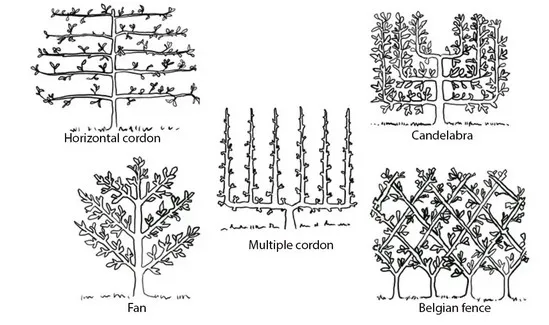
Bareroot planting season for fruit trees is January and February. Research and plan for additional fruit trees in your landscape. Consider espalier if your space is limited. For more information, see UC Master Gardeners of Marin’s article Espalier.
Stone fruits require a certain number of ‘chill hours,’ temperatures below forty-five degrees, to produce. Check variety information for the number of chill hours, particularly if ordering trees online. A tree that will thrive in Michigan is not suited for our climate.
Trees
If you are considering adding trees to the landscape, there are resources that can help guide your choices towards a ‘right tree, right place’ decision. Characteristics of a tree and where it is positioned in the landscape can make the difference between enjoying its addition to the garden or eventually finding it a nuisance. Another important aspect of the choice is whether it is ‘climate-ready’ for our region.
The City of Davis and the UC Davis Arboretum & Public Garden worked with CAL FIRE, Tree Davis, UC Agriculture and National Resources, USDA Forest Service, Redwood Barn Nursery, as well as several local tree experts to provide a list of Climate Ready Trees for our area.
The City of Woodland offers a Residential Street Tree Rebate along with an Approved Master Street Tree List.
The City of Winters also provides a Master Tree List.
By referring to these recommended tree lists, the selection of a tree of the height, canopy width, and characteristics to suit both the site and the aesthetic of the garden should give years of pleasure.
Soil improvement
Fall is a great time to plant ‘green manure’ in any garden bare spots. Vetch and red clover, with their attractive flowers, can be planted separately or mixed. They will replenish nitrogen in the soil through the winter and help prevent erosion. For more information, see Winter Cover Crops for the Home Garden.
Lawns
October is an ideal month to remove the lawn. For methods and instructions, seeUC Master Gardeners of Yolo County information on How to Remove a Lawn. Solarization works best in the summertime, but sheet mulching and non-selective herbicides are options to use during this time of the year.
If lawn is a part of your landscape, fall is the best time to rejuvenate and promote deep root growth. Rake and reseed, then cover it with a layer of compost. The reseeded areas will develop strong root systems through winter and spring to cope with next summer’s heat.

October Vegetable Planting Guide
Click the thumbnail image on the right to open a larger image or the link below to open a PDF of Peg's October Vegetable Planting Guide. This guide will tell you which Yolo County and Sacramento area vegetables are recommended for planting during the month of October, along with how and when to plant them.