Topics in Subtropics

Topics in Subtropics Blog
You can subscribe to this  blog with multiple entries per week reflecting what's happening with subtropical crops and upcoming educational events.  Just click on the "Subscribe" button just to the right of this paragraph.  There's also our seasonal quarterly Topics in Subtropics newsletter found at our Ventura, Santa Barbara, San Luis Obispo, Riverside, San Diego, Tulare and Kern Counties Cooperative Extension websites.
Primary Image
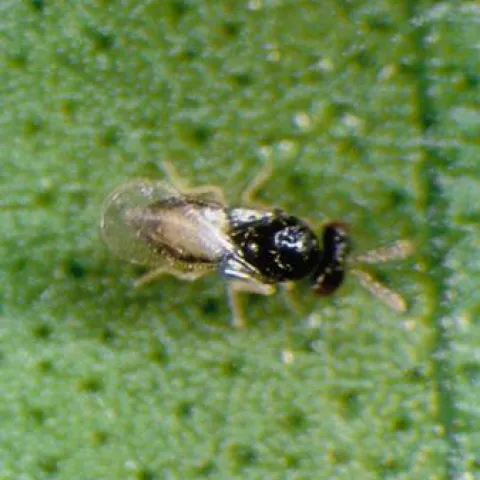
Tamarixia

Tamarixia to Suppress ACP

April 22, 2026
By Ben A Faber
Biological control for sustained ACP suppressionVentura County supports ACP activity for much of the year due to mild climate, frequent flush, and a highly mixed landscape that includes commercial groves, organic production, and unmanaged citrus. Under these conditions, ACP populations persist and rebound…
View Article

Black Fig Fly

April 20, 2026
By Ben A Faber
Black Fig Fly (Diptera: Lonchaeidae: Silba adipata)Invasive Fig Pest Recently Discovered in Southern CaliforniaClick Here to Download the "Pest Alert" PDFOverviewFig growers need to be aware of the black fig fly (BFF), an invasive insect that was recently discovered infesting figs in multiple counties in…
View Article
Primary Image
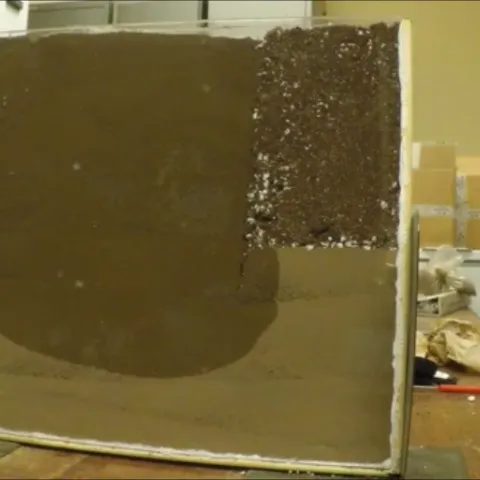
Water moving through soil

LEACH! Avocados and Most Coastal Crops Affected By Salt

April 17, 2026
By Ben A Faber
High value coastal crops are prone to salt damage from salts in well waters, and in low rainfall years they are especially so. Avocado is especially prone to salt damage.  And the flowering period is one of the most sensitive.   Flowers are competing with leaves that have been hanging on for a…
View Article
Primary Image
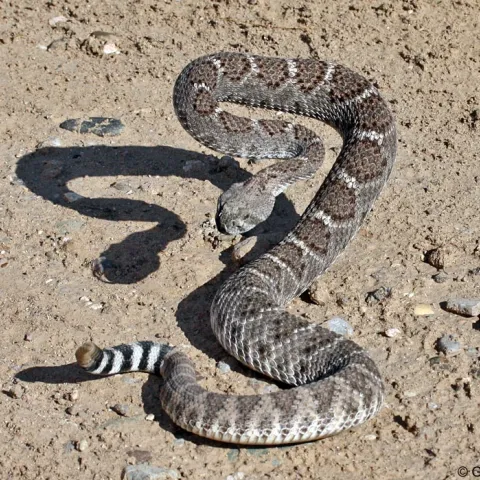
rattlesnake ready to strike

Rattlesnake Season

April 17, 2026
By Ben A Faber
First, remember that the desire to avoid any kind of an interaction is mutual. Rattlesnakes are an important part of the ecosystem, feeding on rodents, birds, and other small animals.Snake season in Southern California runs from April through October, but the warmer the weather, the more the reptiles are…
View Article