Topics in Subtropics

newsletter
Topics in Subtropics Blog

You can subscribe to this  blog with multiple entries per week reflecting what's happening with subtropical crops and upcoming educational events.  Just click on the "Subscribe" button just to the right of this paragraph.  There's also our seasonal quarterly Topics in Subtropics newsletter found at our Ventura, Santa Barbara, San Luis Obispo, Riverside, San Diego, Tulare and Kern Counties Cooperative Extension websites.
Primary Image
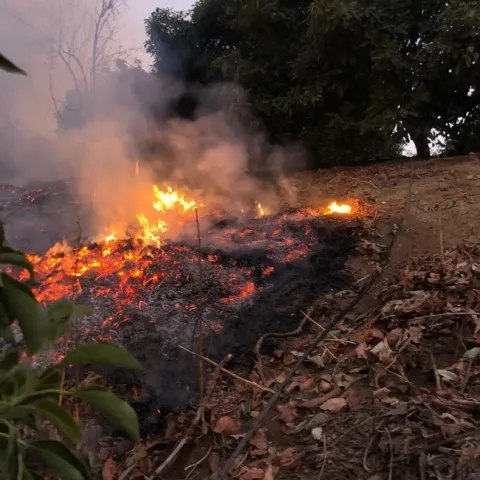
slow burn through orchard

Avocado Orchards After the Fire

November 8, 2019
By Ben A Faber
The very fact that avocados can be grown in hard to get to places means that the trees are also in areas that are subject to wildfire damage. Recently several hundred acres of avocado burned in the foothills. The fire was fanned by high winds and low humidity.
View Article
Primary Image
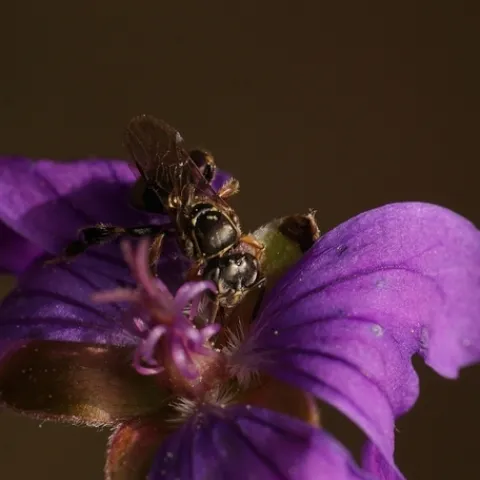
plebia selwynq

Invasive? Naturalized? Adventive?

November 6, 2019
By Ben A Faber
Species that move into new areas are known as adventive, but the word has several shades of meaning. Some scientists include deliberately introduced species, but others include only those that arrived on their own or by accident.
View Article
Primary Image
lemonade

Citrus Taste Test

November 4, 2019
Ventura County Master Gardener A blind lemonade and orange juice taste-testing trial was incorporated into a recent citrus grower workshop in Santa Paula. The topic of the meeting was lemon rootstocks and scions and the attendees were for the most part lemon growers.
View Article
Primary Image
food flow map

And Where Food Grows

November 1, 2019
By Ben A Faber
Although a state's actual agricultural export value cannot be measured directly, USDA's Economic Research Service (ERS) estimates State exports of total and selected commodities based on US farm-cash-receipts data.
View Article
Primary Image
food flow

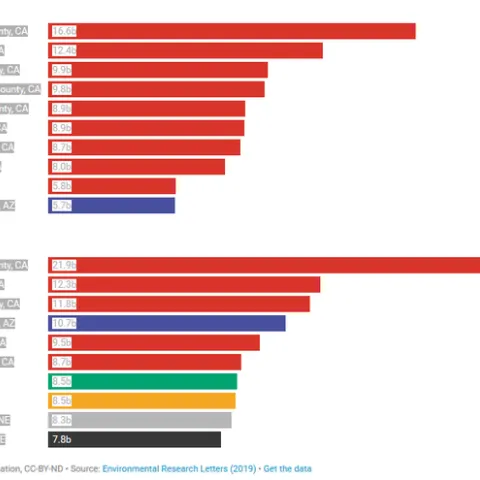
How Food Flows

October 31, 2019
By Ben A Faber
Where are the Food Hubs in the US? A really interesting analysis was done by researchers at the University of Illinois, and it looks like Los Angeles County is still the big dog.
View Article