Topics in Subtropics

newsletter
Topics in Subtropics Blog

You can subscribe to this  blog with multiple entries per week reflecting what's happening with subtropical crops and upcoming educational events.  Just click on the "Subscribe" button just to the right of this paragraph.  There's also our seasonal quarterly Topics in Subtropics newsletter found at our Ventura, Santa Barbara, San Luis Obispo, Riverside, San Diego, Tulare and Kern Counties Cooperative Extension websites.
Primary Image
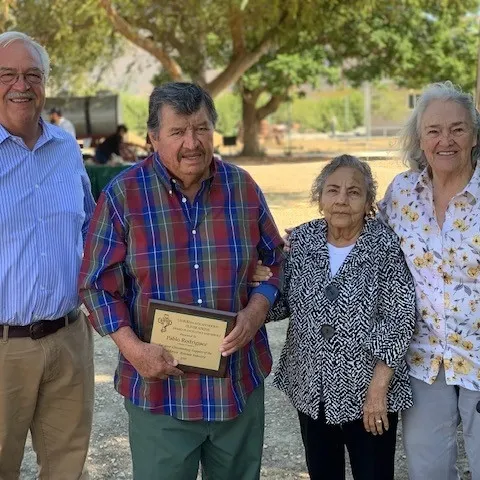
pablo with the award

Local Hero Makes a Better World

October 9, 2019
By Ben A Faber
The California Avocado Society held its 104th Annual Meeting recently and acknowledged an individual's contributions to the avocado industry with its Oliver Atkins Award.
View Article
Primary Image
date pollination

Make a Date and Dont be Late

October 7, 2019
By Ben A Faber
2019 Date Palm Field Day November 21, 2019 8:30 - 2:15 PM Coachella Valley Agricultural Research Station 86501 72nd Ave, Thermal, CA 92274 Fee: $25, lunch included Agenda 8:00am Registration for CE units, coffee, pastries 8:30am- Welcome- Sonia Rios, UCCE Riverside 8:45am- Tom Perring, UC Riverside...
View Article
Primary Image
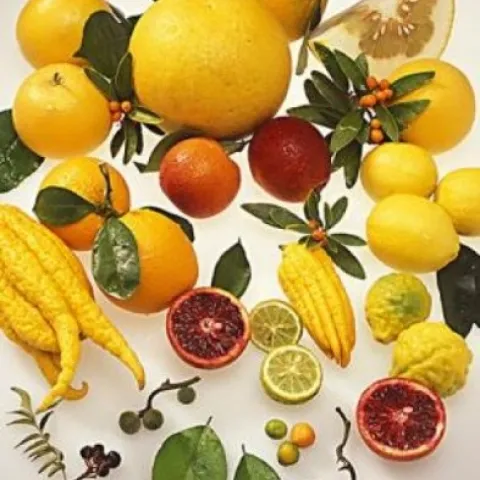
citrus cornucopia

Florida Orange Production UP!!!

October 3, 2019
By Ben A Faber
The USDA has summarized the US citrus crop for 2018-19 and it is up for both California and Florida, with CA accounting for 51% of US production! But the Florida orange crop is up from last year.
View Article
Primary Image
ambrosia beetles

Alcohol Loving Ambrosia Beetles

October 2, 2019
By Ben A Faber
Ambrosia beetles, which are a large group of several thousand species worldwide, belong to the bark beetles. All species are characterized by the ability to cultivate fungi.
View Article
Primary Image
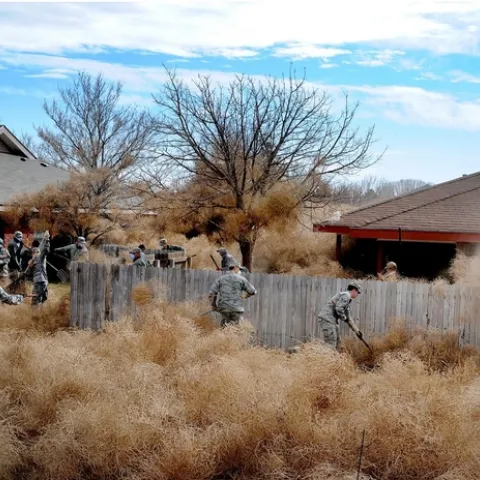
giant tumbleweed

Giant Tumbleweeds Eat Victorville

September 30, 2019
By Ben A Faber
A new species of gigantic tumbleweed once predicted to go extinct is not only here to stay -- it's likely to expand its territory. The species, Salsola ryanii, is significantly larger than either of its parent plants, which can grow up to 6 feet tall.
View Article