Topics in Subtropics

newsletter
Topics in Subtropics Blog

You can subscribe to this  blog with multiple entries per week reflecting what's happening with subtropical crops and upcoming educational events.  Just click on the "Subscribe" button just to the right of this paragraph.  There's also our seasonal quarterly Topics in Subtropics newsletter found at our Ventura, Santa Barbara, San Luis Obispo, Riverside, San Diego, Tulare and Kern Counties Cooperative Extension websites.
Primary Image
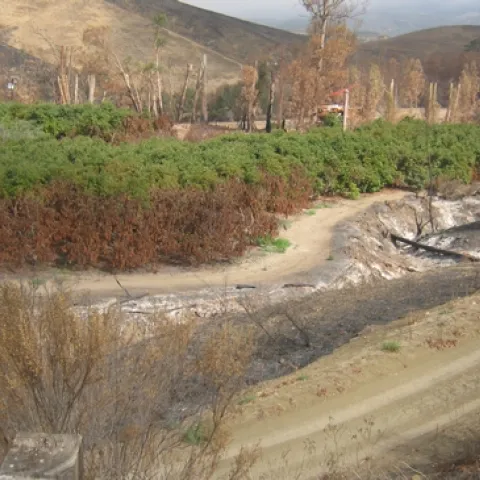
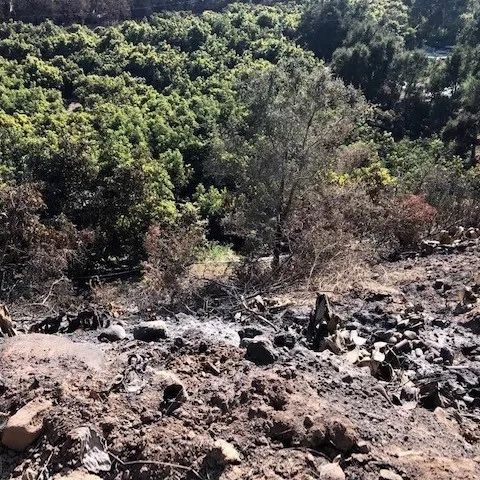
scorched tree

Figuring the Loss of Trees

November 18, 2024
By Ben A Faber
UC Davis Ag Econ Department has put together a set of crop loss calculators in Excel. They are generic, but also specific to lemon and avocado. If you have had damage from the recent fire, take a look at them.
View Article
Primary Image
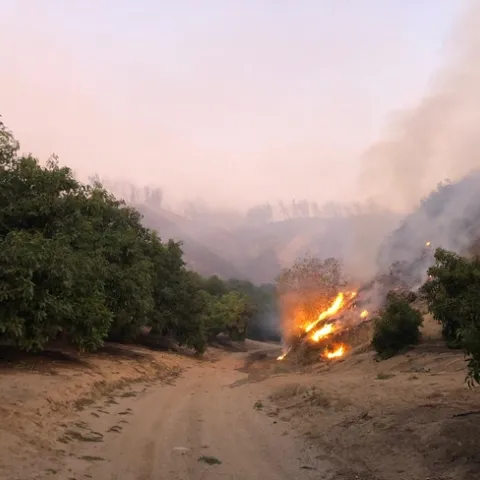
fire coming into orchard

Fire in the Orchard

November 15, 2024
By Ben A Faber
The very fact that avocados can be grown in hard to get to places means that the trees are also in areas that are subject to wildfire damage. Recently several hundred acres of avocado burned in the Fillmore/Santa Paula foothills. The fire was fanned by high winds and low humidity.
View Article
Primary Image
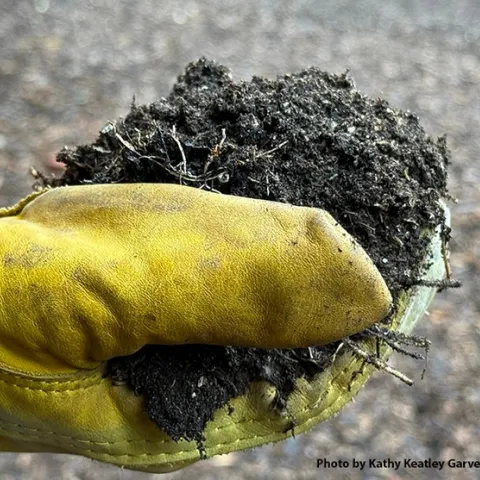
handfull of dirt

The Soil Microbiome

November 14, 2024
By Ben A Faber
It promises to be an outstanding seminar. Andr Custodio Franco, assistant professor, Indiana University, Bloomington, will speak on "Deciphering the Soil Macrobiome: Belowground Communities Driving Ecosystem Responses to Global Change" at a seminar hosted Monday, Nov.
View Article
Primary Image
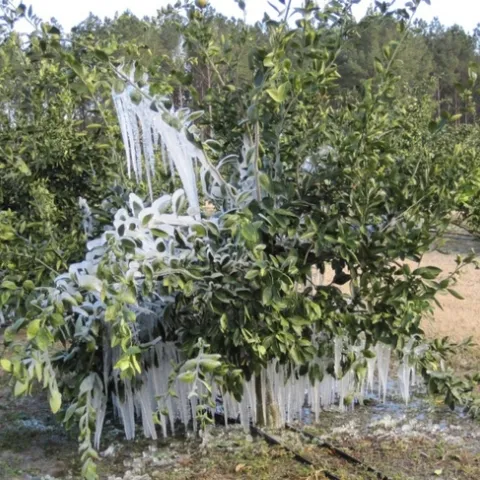
frost satsuma irrigation

Irrigation in a Freeze

November 13, 2024
By Ben A Faber
Confronted with approaching freezing conditions a grower has several options to mitigate the potential cold damage. There are foliar sprays like copper that can reduce the incidence and need to be applied several weeks in advance of cold.
View Article
Primary Image
IMG 2031

Wild Fire and Soil

November 11, 2024
By Ben A Faber
Low-severity wildland fires and prescribed burns have long been presumed by scientists and resource managers to be harmless to soils, but this may not be the case, new research shows.
View Article