Topics in Subtropics

newsletter
Topics in Subtropics Blog

You can subscribe to this  blog with multiple entries per week reflecting what's happening with subtropical crops and upcoming educational events.  Just click on the "Subscribe" button just to the right of this paragraph.  There's also our seasonal quarterly Topics in Subtropics newsletter found at our Ventura, Santa Barbara, San Luis Obispo, Riverside, San Diego, Tulare and Kern Counties Cooperative Extension websites.
Primary Image
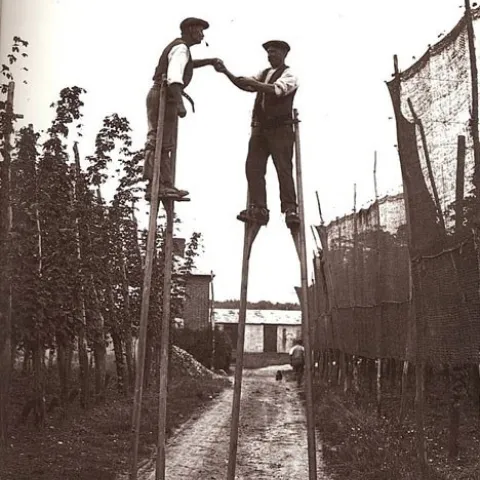
Hops

Are Hops a Serious Option as a Crop in San Diego?

August 8, 2014
Farmers in our county who are using high-priced water are really thinking about niches in the market. They simply must get the best prices they can if they are going to stay in business. So, what are these niches? One niche is simply converting to an organic operation.
View Article
Primary Image
avocado fruits

Irrigating Avocados in the Home Garden

August 7, 2014
By Ben A Faber
Mature avocados may be a big tree, but they have very shallow roots. The bulk of them are in the top 8 inches of soil. The tree therefore does not have access to a large volume of stored water. As opposed to a deep rooted walnut, they need frequent, small amounts of water.
View Article
Primary Image
avocado fruits

Avocado Root Rot in the Home Garden

August 6, 2014
By Ben A Faber
The canopy is thinning. The leaves are small and yellow. There is dieback in the canopy, with leafless tips on the branches. You dig around under the canopy in the wetted area of the sprinkler and you can't find roots within 6 inches of the soil surface or if you do find them they are black.
View Article
Primary Image
vole 1

Vole Damage in Citrus Revisited

August 1, 2014
Since the first publication of this article on vole damage in citrus, a recent field observation regarding vole activity is worth noting. Voles prefer a situation where there is cover and shelter generally from weed or grass.
View Article
Primary Image
fertilizer injection

What's in that Fertilizer?

July 30, 2014
By Ben A Faber
Most growers know the N-P-K numbers on fertilizer, but that doesn't tell you what else might be in the material, either as a contaminant or something purposely added to the material.
View Article