Topics in Subtropics

newsletter
Topics in Subtropics Blog
You can subscribe to this  blog with multiple entries per week reflecting what's happening with subtropical crops and upcoming educational events.  Just click on the "Subscribe" button just to the right of this paragraph.  There's also our seasonal quarterly Topics in Subtropics newsletter found at our Ventura, Santa Barbara, San Luis Obispo, Riverside, San Diego, Tulare and Kern Counties Cooperative Extension websites.
Primary Image
iron dieback citrus

New, Yellow Leaf Flush?

August 15, 2012
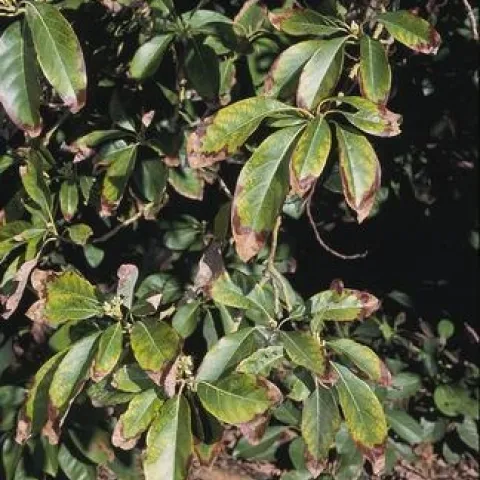
Lime-induced Iron Chlorosis: a nutritional challenge in the culture of several subtropical perennial crops in California Elizabeth Fichtner, UCCE Tulare County and Rachel Elkins, UCCE Lake and Mendocino Counties Spring, and new leaves are coming out, but this could, but yellow could be a sign of iro...
View Article

Invasive Ambrosia Beetle/Fusarium Complex

August 3, 2012
By Ben A Faber
Invasive Ambrosia Beetle/Fusarium Complex A Public Meeting You are invited to attend a public meeting about the invasive ambrosia beetle/Fusarium complex that are threatening avocado, oak, sycamore, persimmon, and box elder trees in California.
View Article

Simazine degradation in California citrus orchards

July 18, 2012
By Brad Hanson
Today I thought I'd share a recent research report on the the phenomenon of "enhanced" degradation of the herbicide simazine in citrus orchard soils. Click here for a link to the publication in the open-source journal, Air, Soil, and Water Research (Abit et al. 2012.
View Article
Primary Image
avocado

Foliar nutrients to avocado

July 9, 2012
By Ben A Faber
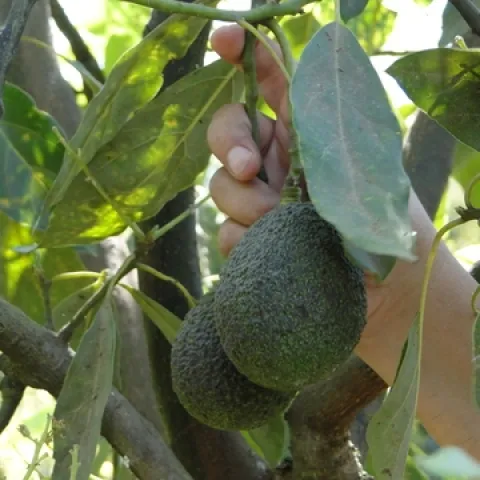
Thick, waxy coating on avocado leaves makes foliar nutrients difficult to abosorb. LTTLE EVIDENCE TO SUPPORT THE USE OF FOLIAR APPLIED NUTRIENTS IN AVOCADO Simon Newett, Extension Horticulturist.
View Article
Primary Image
workers

Heat Stress

July 9, 2012
By Ben A Faber
Lettuce harvest Cal/OSHA HEAT ADVISORY When employees work in hot conditions, employers must take special precautions in order to prevent heat illness. Heat illness can progress to heat stroke and be fatal, especially when emergency treatment is delayed.
View Article