Topics in Subtropics

newsletter
Topics in Subtropics Blog

You can subscribe to this  blog with multiple entries per week reflecting what's happening with subtropical crops and upcoming educational events.  Just click on the "Subscribe" button just to the right of this paragraph.  There's also our seasonal quarterly Topics in Subtropics newsletter found at our Ventura, Santa Barbara, San Luis Obispo, Riverside, San Diego, Tulare and Kern Counties Cooperative Extension websites.
Primary Image
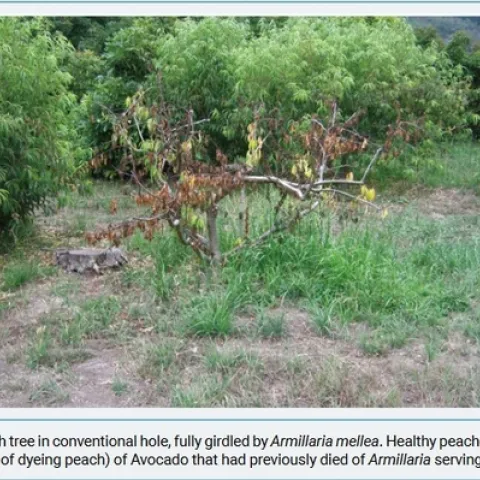
peach dead from armillaria

Controlling Oak Root Fungus

January 10, 2024
By Ben A Faber
Armillaria mellea is the pathogen that causes root rot of many forest and ornamental and agronomic trees. The pathogen occurs in landscapes and urban soils as well as a natural pathogen in forests and on lands converted to farming.
View Article
Primary Image
Pestcide safety

New Neonic Rules

January 8, 2024
How the new neonic regulations impact your operations There are new neonicotinoid regulations effective starting Jan 1, 2024 to protect pollinators.
View Article
Primary Image
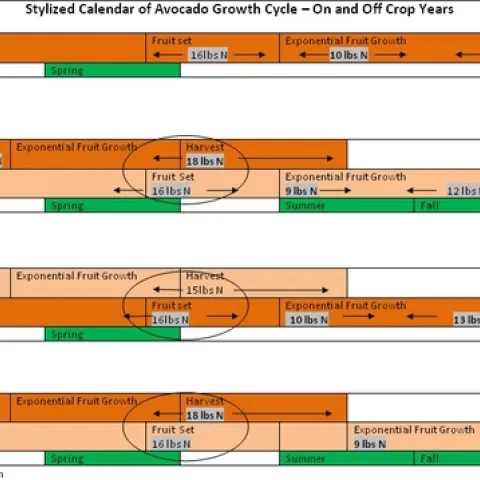
stylized N application On and Off year

Phenology - Bringing to Light Recurring Events

January 5, 2024
By Ben A Faber
Plants, therefore avocados, go through different growth stages, so called phenological stages, regular periods where they grow and differentiate from seed to various vegetative stages, flowering and finally seed production.
View Article
Primary Image
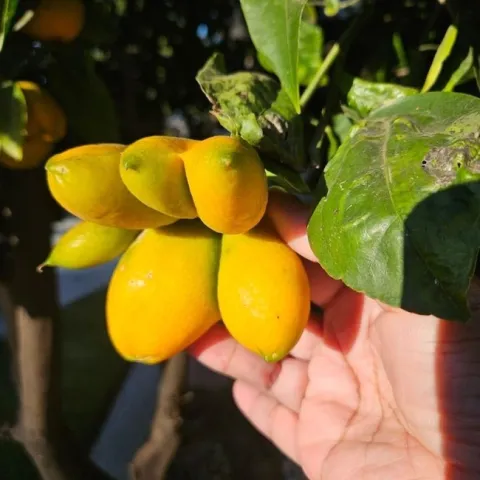
tangelo citrus bud mite

Citrus Bud Mite

January 4, 2024
By Ben A Faber
Most commonly we associate the malformed fruit we see in lemons to citrus bud mite. But it can also occur on other varieties of citrus in Southern California, including in this case to tangelos. If there's enough fruit to bite into, it's still edible.
View Article
Primary Image
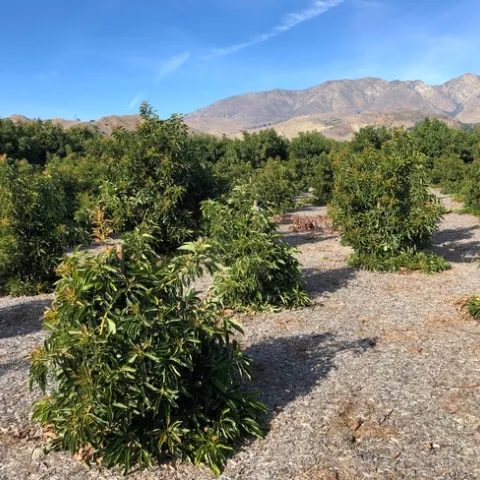
avocado different groth rates

Move Fast and Break Things

January 2, 2024
By Ben A Faber
And live to regret it when it comes to planting a tree. Bring out that power auger and dig a hole and slam that tree in the ground and move on to the next planting hole. If it's rocky soil, with good drainage, the trees may look like this two years later. Alive, but some are much bigger than others.
View Article