Topics in Subtropics

newsletter
Topics in Subtropics Blog

You can subscribe to this  blog with multiple entries per week reflecting what's happening with subtropical crops and upcoming educational events.  Just click on the "Subscribe" button just to the right of this paragraph.  There's also our seasonal quarterly Topics in Subtropics newsletter found at our Ventura, Santa Barbara, San Luis Obispo, Riverside, San Diego, Tulare and Kern Counties Cooperative Extension websites.
Primary Image
citrus thinning canopy phytophthora

Phytophthora Diseases of CA Citrus

November 3, 2023
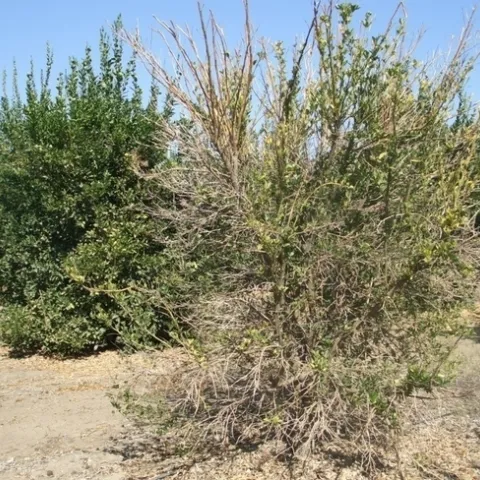
There are at least four species of Phytophthora species (P. citrophthora, P. parasitica, P. syringae, and P. hibernalis) associated with citrus in California and all species can cause various symptoms in citrus including the three main diseases' associated with Phytophthora spp.
View Article
Primary Image
hlb infection

The Next Step with HLB?

November 1, 2023
By Ben A Faber
Transgenic Citrus Studies Progressing Spray pesticides? Inject antibiotics? CUPS? Or? The search for solutions to HLB has gone on for nearly two decades.
View Article
Primary Image
QFF

Fruit Fly from Down Under

October 20, 2023
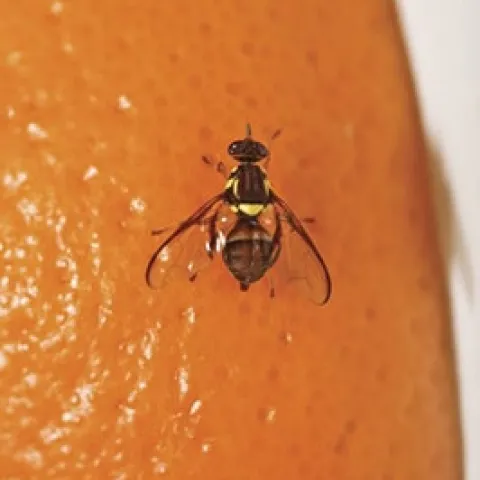
CDFA has recorded a second detection of Bactrocera tryoni Queensland Fruit Fly (QFF) in Ventura County. This tiny but troublesome pest was found in a residential neighborhood of Thousand Oaks.
View Article
Primary Image
spraying plants

New Pesticide Technology?

October 16, 2023
By Ben A Faber
Nanoparticles made from plant viruses could be farmers' new ally in pest control University of California - San Diego Press Release A new form of agricultural pest control could one day take rootone that treats crop infestations deep under the ground in a targeted manner with less pesticide.
View Article
Primary Image
ground sloth

A New Avocado Race?

October 11, 2023
By Ben A Faber
Persea americana is the botanical name for avocado. It's been traditionally subdivided into tribes or groups comprising the Mexican, Guatemalan and West Indian horticultural races. The races look, taste and even smell different, but they hybridize easily so, they are considered one species.
View Article