Topics in Subtropics

newsletter
Topics in Subtropics Blog

You can subscribe to this  blog with multiple entries per week reflecting what's happening with subtropical crops and upcoming educational events.  Just click on the "Subscribe" button just to the right of this paragraph.  There's also our seasonal quarterly Topics in Subtropics newsletter found at our Ventura, Santa Barbara, San Luis Obispo, Riverside, San Diego, Tulare and Kern Counties Cooperative Extension websites.

Primary Image
kallsen

Citrus Webinars

May 26, 2023
By Ben A Faber
The Citrus Research Board (CRB) is excited to announce the return of the 2023 Citrus Growers Educational Webinar Series. CRB will be holding four one-hour webinars scheduled for June 6, 13, 20, 27. Each webinar will highlight valuable research and practical discussions for growers.
View Article
Primary Image
citrus cover crop

Fire and Dried Cover Crops

May 24, 2023
Vineyards and orchards have long used winter cover crops to help reduce erosion, improve soil structure and prevent nutrient leaching.
View Article
Primary Image
acp wax

ACP Webinar - DPR and CCA Credits

May 22, 2023
By Ben A Faber
UCANR Science for Citrus Health is hosting a Seminar on May 30 to provide research updates on Asian Citrus Psyllid under California conditions. If you are interested in this webinar, please register using this link. More details about the seminar are on the link.
View Article
Primary Image
wac poster

WAC Comes to California Avocado Growers

May 22, 2023
By Ben A Faber
WAC (World Avocado Congress) Comes to California Speakers from our April 25, 2023 CA Avocado Society/CA Avocado Commission/UCCE Webinar Reporting on the WAC meeting in Auckland, NZ in 2023 Ali Montazar - Water Adviser for the University of California Cooperative Extension Water Management Updates Ma...
View Article
Primary Image
acp (2)

ACP Updates

May 22, 2023
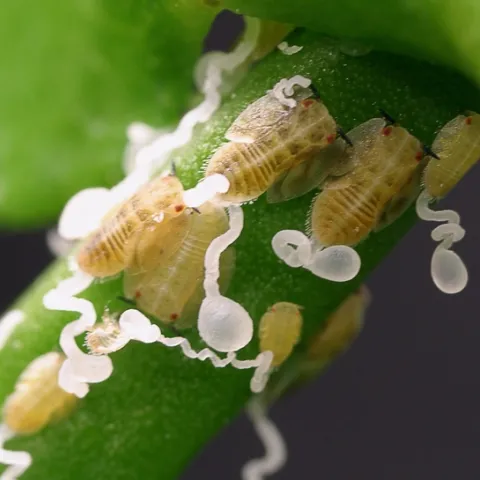
Asian Citrus Psyllid Update Winter and spring rains have given us a robust growing season this year. Tender new citrus flush is ideal habitat for ACP to feed, lay eggs and build new populations. An increase in ACP numbers and feeding can increase the risk of HLB spreading and building up.
View Article