Topics in Subtropics

newsletter
Topics in Subtropics Blog
You can subscribe to this  blog with multiple entries per week reflecting what's happening with subtropical crops and upcoming educational events.  Just click on the "Subscribe" button just to the right of this paragraph.  There's also our seasonal quarterly Topics in Subtropics newsletter found at our Ventura, Santa Barbara, San Luis Obispo, Riverside, San Diego, Tulare and Kern Counties Cooperative Extension websites.
Primary Image
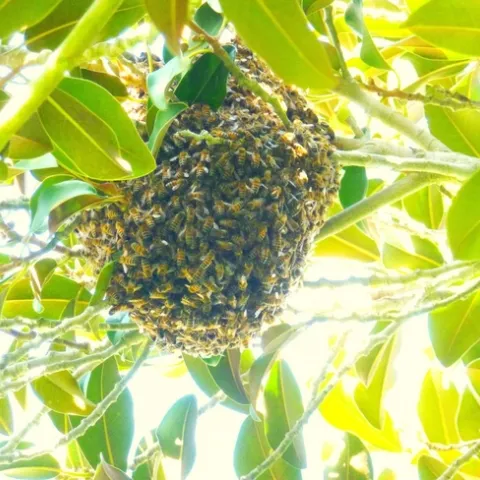
bee garden

Pollinator Conservation Survey

September 16, 2022
By Ben A Faber
Pollinators are essential to many of California's agricultural crops and to the vast biodiversity of California's natural ecosystems. Unfortunately, due to a variety of factors including habitat destruction, pesticides, disease, and climate change pollinators are in decline.
View Article
Primary Image
avocado rootstock

Avocado Vars and Roots "Shoot"

September 13, 2022
By Ben A Faber
For those who missed it and for those who missed catching all the fine and coarse details of the hybrid zoom/in-person meeting on avocado varieties and rootstocks, here it is - the Shoot.
View Article
Primary Image
heat damage gem avop

Avocados Get Hot

September 12, 2022
By Ben A Faber
It's been hot and there is leaf damage. Those damaged leaves can protect the tree now and the fruit. Don't prune the the trees until you see the full extent of the damage and can still use those dead leaves to protect the rest of the tree.
View Article
Primary Image
amaranth

An Intro to Palmer Amaranth

September 8, 2022
By Ben A Faber
An introduction to Palmer amaranth Author: Lynn M. Sosnoskie Author: Ted Webster Author: Stanley Culpepper Despite the fact that I am currently working in orchards and vineyards, I receive lots of requests to discuss Palmer amaranth (Amaranthus palmeri S. Wats.
View Article
Primary Image
red bug hoddle

Red Bug All Over

September 2, 2022
By Ben A Faber
The Situation: Several species of brightly colored, ground dwelling bugs are familiar to California residents who observe the insects running over dry ground, feeding and migrating among urban vacant lots and weedy fields.
View Article