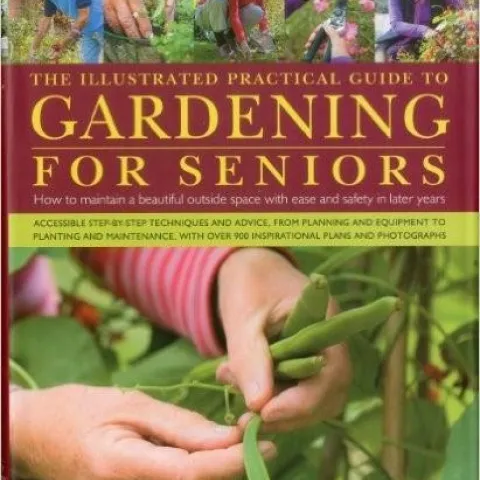
The Illustrated Practical Guide to Gardening for Seniors is an inspiring book that describes the basics of adaptive gardening. Patty Cassidy begins by explaining that there are many intangible benefits of gardening that one does not need to give up because of age.
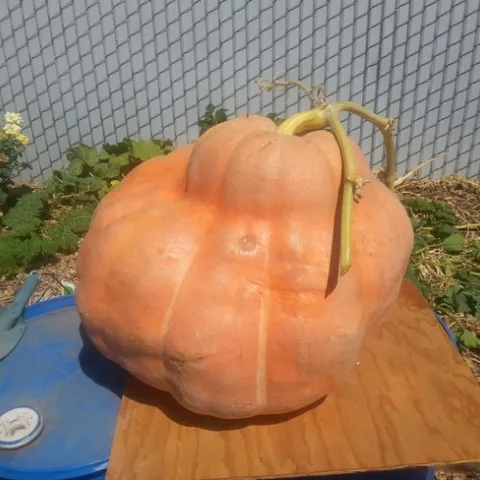
At the first of summer, you thought it a good idea to grow a pumpkin plant to give the kids a focus during the upcoming warm weather while being confined to home with COVID19 stay-at-home restrictions in place.
Without forests, life on earth would be unthinkable and unlivable. Urban forests are homes to a wealth of biodiversity and are an integral part of community ecosystems. They improve the livability of our cities and make all our lives better.
Civic pride is a guiding principle of Stockton Beautiful, a local organization whose efforts have been focused on improving neighborhoods and public spaces for over 25 years.
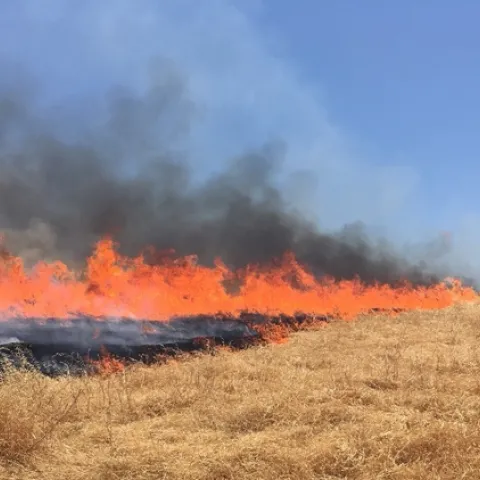
Like many of you over the last several weeks (and indeed, over the last several years), I've read heartbreaking accounts of ranchers losing livestock in this latest round of devastating wildfires.
Children learn math, reading and writing in school to prepare them for their future careers. UC Agriculture and Natural Resources supports their learning about California's natural environment in order to protect the planet.
Sweet Peas! Lathyrus odoratus, Lathyrus latifolia It's Fall-Time to Plant Spring-Blooming Bulbs Vallejo Peoples Garden Growing and Propagating Freesias Climate Change/Global Warming/Climate Reality Turn Your Kitchen Trash Into New Plants Along Came a Spider Master Gardener Resources Fall Gardening G...