UC ANR is committed to providing an accessible and inclusive web experience for all users. If you encounter an accessibility barrier or need content in an alternative or remediated accessible format, please contact anraccessibility@ucanr.edu.
I don't get much time these days to connect back to my academic training. But next week I'm headed to Kern County and John Karlik has proposed that we spend some time talking about air quality. Now, given that this is California, I suspect John is thinking about particulate matter.
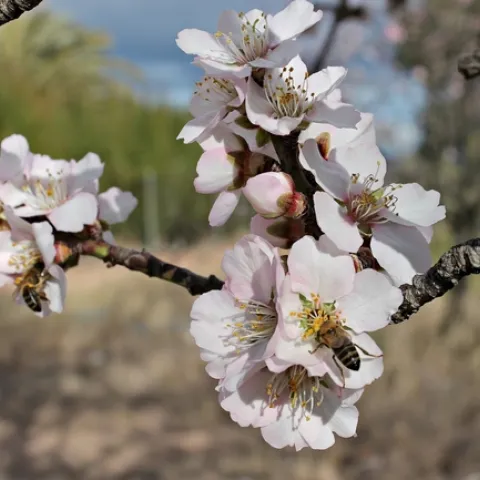
The bumble bee was hungry. She moved quickly from blossom to blossom on a jade plant at the Benicia (Calif.) Capitol State Historic Park, Solano County. As she foraged, you could see her tongue (proboscis) and her trademark yellow face and yellow stripe on her abdomen.
Warm and sunny winter days are no cause for celebration among the farmers, ranchers and forest managers who rely on UC Agriculture and Natural Resources' research-based information and expertise to make their work more profitable.
Nominations are being accepted for the ANR Staff Appreciation and Recognition (STAR) program for the fiscal year 2017-18. The STAR program is your opportunity to celebrate and reward the great contributions of ANR's people.
Hmmm, I got busy and forgot to post this for last week's Teatime Class, so here you go! A while back I wrote a post about making delicious cultured butter. This recipe is very good but maybe a little too much a time investment for some.
Colleagues, ANR is committed to increasing our academic footprint for more effective deployment of Cooperative Extension (CE) specialists and advisors to address local issues with global impact.
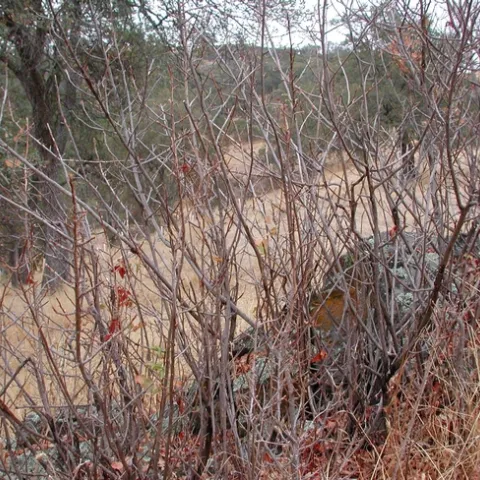
Campers and hikers are often warned to avoid poison oak in summer by looking out for green plants with glossy leaflets of three. However, as weather cools, the appearance of the plant changes, making it more difficult to identify.
Farmers/Growers are urged to complete the Census of Agriculture surveys. Although Feb. 5 was the deadline, a USDA National Agricultural Statistics Service representative said the Ag Census website https://www.agcounts.usda.
As part of the California climate, periodic droughts will continue to be cause for concern when it comes to managing water use. UC recently launched a video series that addresses awareness and planning during a drought and in times of abundant water. For more information go to: http://ucanr.
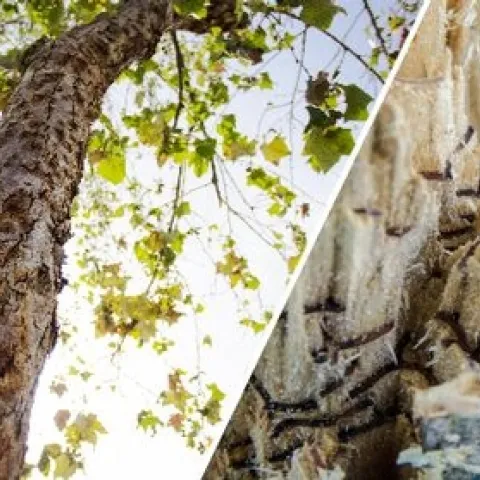
The following is the abstract of a recent article highlighting the occurrence of the invasive shot hole borer that is found in California and described in our blog site: http://ucanr.