I wanted to send out a friendly reminder that the data submission deadline for the current data call is March 31, 2016. Data submitted before March 31 are evaluated for inclusion in the appropriate update cycle, and submissions after March 31 are typically considered in subsequent updates.
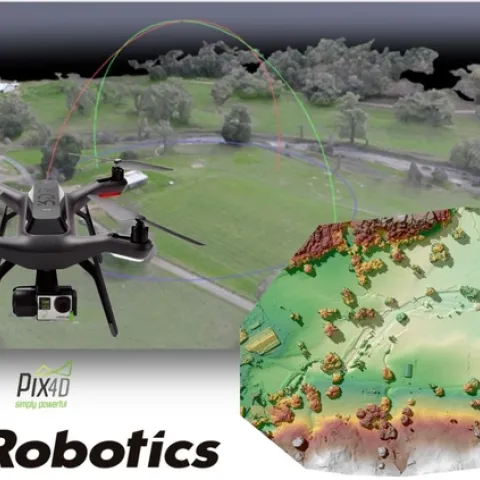
IGIS is excited to be working with 3D Robotics (3DR) to explore new applications of small unmanned aerial systems (sUAS) for monitoring agriculture and natural resources.
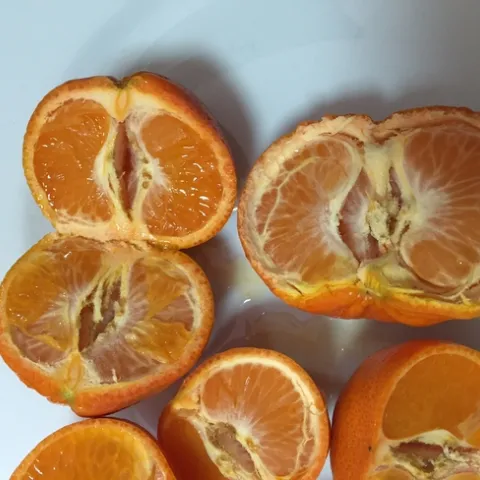
If you're a California commercial citrus grower or a homeowner with a citrus tree on your property, be sure to check for signs of the Asian citrus psyllid (ACP). Think ACP. Think HLB. Think ASAP.
I would like to welcome Andy Lyons as Academic Coordinator III in the ANR Informatics and GIS (IGIS) Statewide Program. Andy comes to ANR from Stanford and before that Berkeley, where he completed his PhD in ESPM.
So you want to become a Master Beekeeper. You don't want to just keep bees, you want to devote your life to learning more about them and understanding them. And you want to engage in public service.
IGIS is excited to be working with 3D Robotics (3DR) to explore new applications of small unmanned aerial systems (sUAS) for monitoring agriculture and natural resources.
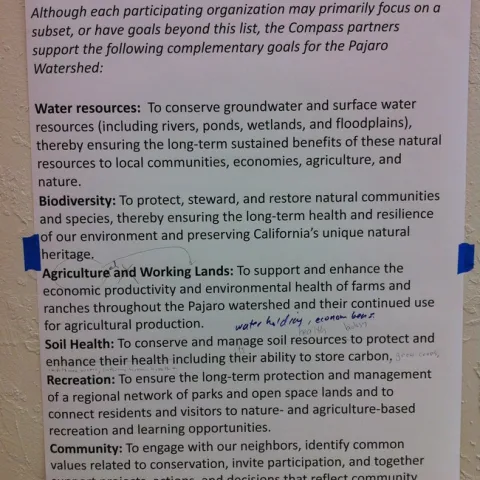
On February 16 I wrote a blog post to let you all know about the February 25 Pajaro Compass (Compass) meeting at the Hollister Veterans Memorial Building. I was able to attend the meeting, which had around 35 people.
Nathaniel Haddon of the Vaca Valley 4-H Club, Vacaville, is only nine years old, but he already knows more about honey bees than many adults do. He readily names the three castes: queen bee, worker bee and drone.
If you ever wished you were part of the UC Cooperative Extension Weed Science team, this may be your big opportunity! Link to job posting: http://ucanr.edu/Jobs/Jobs_990/?jobnum=921 Link to all UCANR employment opportunities: http://ucanr.