UC ANR is committed to providing an accessible and inclusive web experience for all users. If you encounter an accessibility barrier or need content in an alternative or remediated accessible format, please contact anraccessibility@ucanr.edu.
Since it was first identified in 2004, glyphosate-resistant Palmer amaranth has become the most significant weedy pest of cotton in the Southeastern United States.
Just a quick note to let everyone know that the May 2, 2013 issue of Nature is devoted to GMO technology. Contents include an editorial, updates about GM salmon, a series of graphs and figures detailing the adoption of GMO technology, and commentaries about the GMO debate.
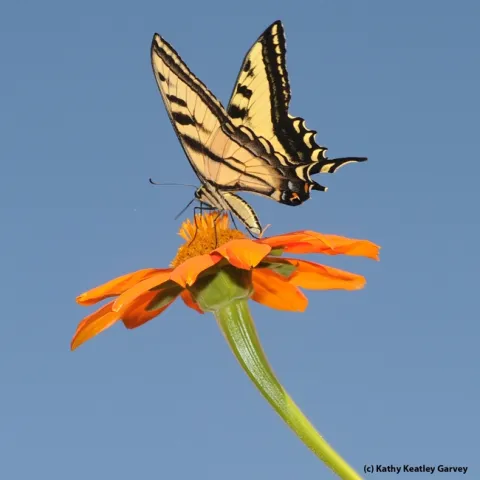
Thursday, May 2 is a good day to learn about butterflies. That's when butterfly expert Art Shapiro, professor of evolution and ecology at UC Davis, will be speak at the Northern California Entomology Society meeting, to be held at the Harry H. Laidlaw Jr.
In this issue... Super Field Day, Food Faire and Fashion Revue Event Wrap-ups; Record Book Resources, 100 Blankets Community Service Event, and much, much more.
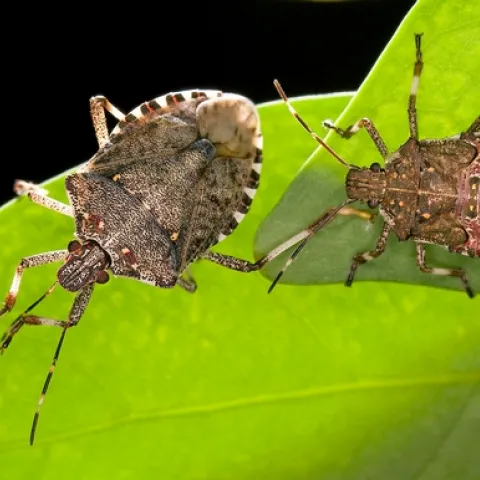
It doesn't usually make the 6 o'clock news--or even the 10 o'clock news--but it's trouble. Trouble, indeed. The brown marmorated stink bug (Halyomorpha hales), a native of Asia, was first discovered in the United States in Allentown, Penn., in 2000. Since then, it's been making a big stink.
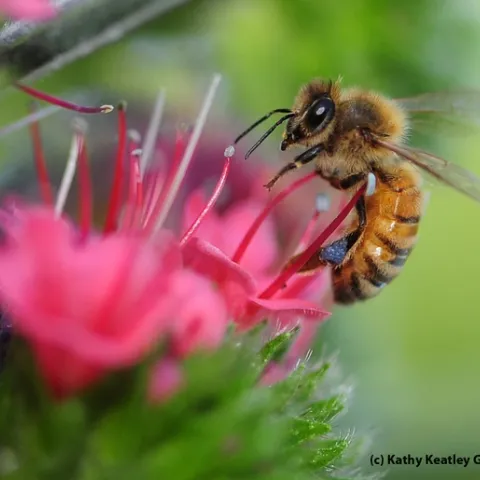
When there's so much pain, grief and sorrow in the world, it's time to shut off the TV, log off the computer, exit the house, and photograph honey bees. Watching honey bees foraging in the tower of jewels, Echium wildpretii, is therapy enough.
Battling Spurge: WSSA Offers Weed Control Tips for Nurseries and Homeowners Posted on April 26, 2013 Though the economy and housing market have begun to recover in the aftermath of the Great Recession, one unexpected impact still lingers.
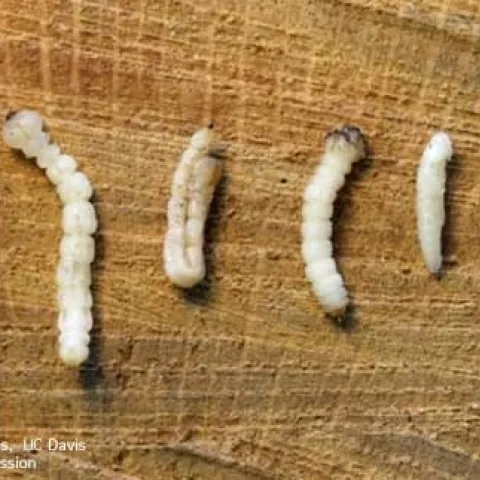
Life states of the goldspotted oak borer. From left: fourth-instar larva, fourth instar larva in a hairpin configuration and in a constricted form, pupa and adult. Photo by Mike I.