Composting Basics, Cupertino
Learn the art and science behind composting from a local Certified Master Composter. Learn about the importance of managing your organic waste (food scraps and yard trimmings) at home. As the drought…

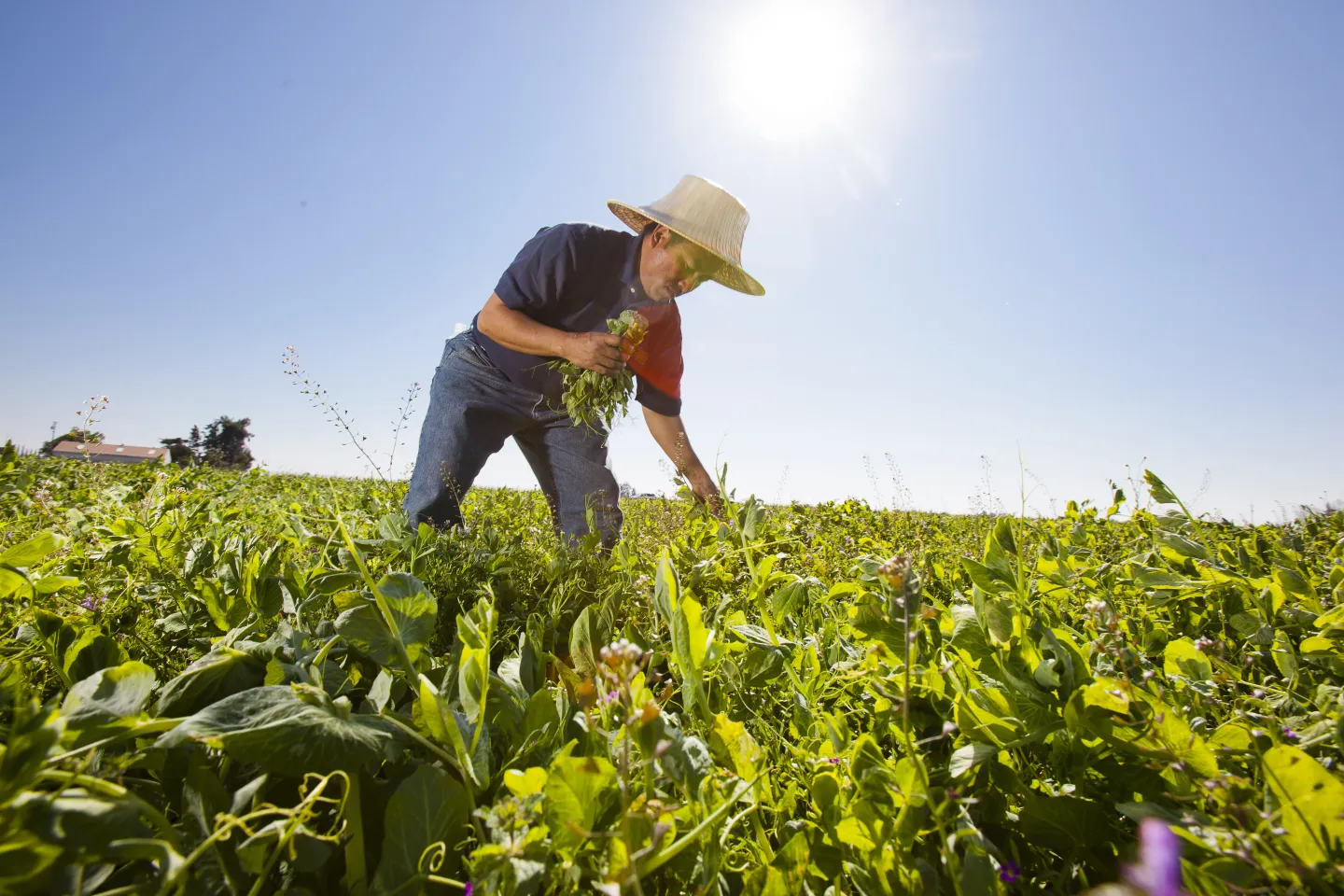
University of California Cooperative Extension (UCCE) is the local link that connects Santa Clara County residents directly to the powerful research, expertise, and information of the UC system. Our local programs deliver science-based solutions and outreach—powered by dedicated volunteers—to address critical local issues in agriculture, natural resources, youth development, and family health.
The work of UC Cooperative Extension in Santa Clara County is guided by the University of California's commitment to improving the lives of all residents, focused on creating: Healthy Food Systems, Healthy Environments, Healthy Communities, and Healthy Californians.
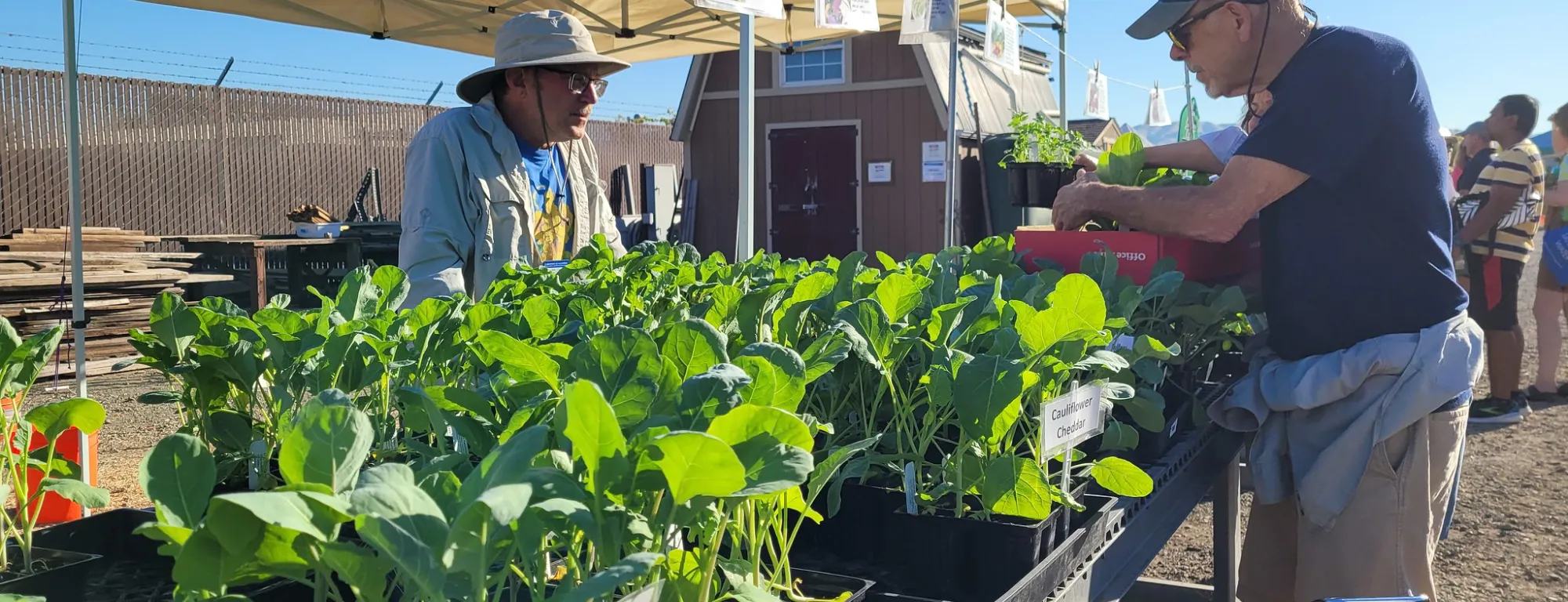
Join us on Saturday April 11 for our Spring Garden Fair, our sustainable gardening showcase, premier plant sale, and educational fair. We will have thousands of plants for sale: tomatoes, peppers, global vegetables, ornamentals, herbs, natives, and succulents, plus talks by UC Master Gardeners, home garden advice, and much more! See our Spring Garden Fair page for details.
Explore a sampling of our specialized community initiatives where our advisors and dedicated volunteers are actively making a difference in the county and region.
Santa Clara County Master Gardeners are knowledgeable volunteers who have completed extensive training in home horticulture to serve as primary extenders of University of California information. We empower home gardeners with research-based knowledge to help their gardens thrive. Explore more at our Master Gardeners program page.
This community-based, volunteer-driven program utilizes trained Master Composters to educate Santa Clara County residents on diverting household organic waste. We provide free classes, school visits, and community events to teach backyard and worm composting. Learn about our Composting Education program.
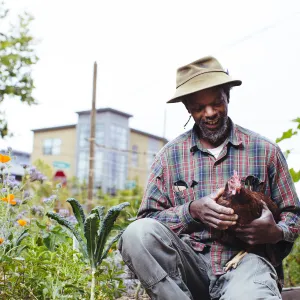
Focused on the challenges and opportunities of California's small-scale farm operators, this program develops field and marketing research aimed at meeting the needs of small and moderate-scale farmers. We provide information and technical assistance often not reached by traditional extension programs. Explore more at our Small Farm Program page.