
This column is written by the Master Gardeners of Yolo County each month. It provides answers to selected questions recently asked by Yolo County gardeners.
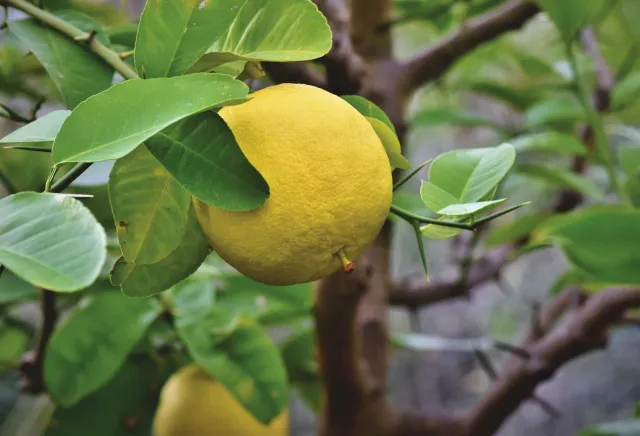
Question: My five-year-old grapefruit has yellowing leaves. It has not bloomed. I water it every day. What should I do?
Answer: A five-year-old grapefruit tree with yellowing leaves and no blooms is telling you something important about water, nutrients, or growing conditions. Daily watering is undoubtedly part of the problem. Citrus hate “wet feet,” and chronic over-watering is one of the most common reasons for yellow leaves, nutrient deficiencies, and failure to flower. Ironically, underwatering can cause many of the same symptoms. But assuming you are giving the tree more than a light sprinkle, too frequent and possibly too much cumulative water is the likely problem.
Grapefruit (and other citrus) trees need deep but infrequent watering. Their roots require oxygen and saturated soil suffocates them, causing root stress that can lead to uniform yellowing leaves, leaf drop, stunted growth and few or no blooms. Instead, four-year-old citrus and older should be watered every ten to fourteen days. Trees up to three years of age should be watered every week or two times a week during hot spells. For your tree, wait until the top two to four inches of soil are completely dry before watering again. When you water, water slowly and put on enough to wet the soil to a depth of two feet. Your water area should extend from a point halfway from the trunk to the edge of the tree and extend beyond the edge of the tree by that same distance. Once winter rains start, you can stop watering during a normal rain year. During a drought, however, you will need to water once the soil dries out, as stated above.
Yellowing leaves often signal nitrogen, iron, magnesium, or potassium deficiencies, all of which become more pronounced when the soil stays too wet. The pattern of yellowing will be different for each and you can find pictures online to try to match your leaves. Once watering is corrected, apply a citrus-specific fertilizer with a high percentage of nitrogen and, ideally, with iron, manganese, magnesium, and zinc. Follow the package recommendations for size and age, but a five-year-old citrus tree typically needs three to four feedings per year, spaced from late winter to late summer, divided so that the largest portions are used first, before the weather gets hot.
If the newest leaves are yellow with green veins, you likely have iron chlorosis, more common in over-watered or poorly drained soils, but also may occur in our alkaline soils. Once you fix the watering, applying a chelated iron supplement usually solves it.
Citrus require eight to ten hours of direct sun daily to bloom reliably. Too little light often causes leafy but bloomless growth. If your tree is shaded by other trees, light pruning may help if that is possible. In extreme cases, transplant to a better location in late winter. That may be possible with a five-year-old tree. It is not feasible with a full-grown citrus; once watering and nutrition improve, you are likely to see blooms next spring.
Your grapefruit tree is almost certainly over-watered, and that stress is causing yellowing leaves and preventing blooms. Shift to deep, infrequent watering, and feed with a balanced citrus fertilizer and ensure the tree gets full sun. With these adjustments, your tree should bounce back and begin flowering within a season or two.
For more information on citrus care, see UCANR’s Garden Notes – Growing Citrus in Sacramento.
Have a gardening question? Send it to jmbaumbach@ucanr.edu, with “Ask MGs” in the subject line. Include as much detail as possible and pictures if you have them.