

Mechanical treatments can include thinning out forest stands, which involve selectively removing trees to reduce stand densities and to improve forest health, and mastication or chipping treatments. Generally, mechanical fuel reduction treatments break up fuel continuity both vertically and horizontally to reduce the potential pathways for fire spread while attempting to moderate conditions during a wildfire; this can provide firefighters with an opportunity to take direct action against the fire. Both chipping and mastication shred woody material, but mastication leaves the material on-site, which can increase fuel loading. Chipping collects the particles for transportation off site where the material can then be manufactured into wood products or converted into energy in a controlled manner. Material left on-site will eventually naturally decompose, but in the near-term it elevates fuel loads and, if it incinerates during wildfire before decomposing, it can create higher levels of greenhouse gas emissions.
Mechanical treatments can be used to target specific areas and vegetation while excluding areas of concern. In addition, mechanical treatment is easily scalable to large areas (>30 acres) with little added cost. Generally, mechanical treatments do not directly remove woody surface fuels from the treatment area, and in some cases they can create more (e.g., rearranging them from vertical to horizontal, by masticating trees). Because of this, applying a follow up treatment to remove surface fuels is critical to reduce fire risk. If no follow up treatments are implemented and material remains onsite, it can take many years for the material to naturally decompose and not pose additional hazard.
Some potential limitations of mechanical treatments include:
- Feasibility of mechanical treatments depend on the terrain condition. Generally, mechanical treatments are limited to areas with mild to moderate slopes and stable conditions. Steeper slopes will result in higher costs for treatment and decreased production time.
- Fuel densities will drive the cost and efficiency of mechanical treatment. Higher densities are required for a cost effective chipping program to ensure adequate material can be generated for sale.
- Operating period is limited by weather. Wet conditions where mechanized equipment may damage the road surface will restrict operation, as well as periods with high fire danger.
- The smaller trees are most important to remove for restoration and to reduce fire risk, yet they are not commercially viable, limiting the ability to offset treatment costs.
While efficacy of the treatment type largely depends on the vegetation type and equipment used, the best way to extend the effective lifespan of a mechanical fuel treatment is to pair with prescribed fire so that surface fuels are properly treated and removed from the system. Use the additional resources below to learn more about various mechanical treatments and to plan future fuel/vegetation management projects.
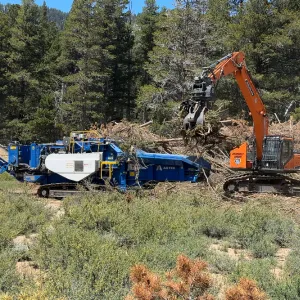
Chipping Treatments
Chip and haul treatments are common ways landowners can effectively reduce and remove fuels while also utilizing woody material from project sites as a secondary product. These treatments generally include four major steps: 1) logging smaller-diameter trees and thinning woody material, 2) skidding material to a landing and drying, 3) chipping and loading, and 4) hauling material to a facility to be utilized.
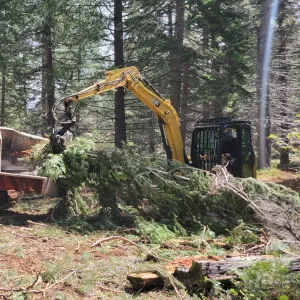
Thinning Treatments
Keeping a healthy forest in line with your goals requires active vegetation management. Whether you want to reduce wildfire risk, improve forest health, manage for visual aesthetics, or recover from a specific event such as a wildfire, it is important to understand how different vegetation management strategies can help accomplish your goals.
Learn more about thinning and forest management from UCCE's Forestry Research and Outreach team.