

What is Mastication?
Mastication is a forest management treatment that uses heavy equipment to shred small trees, woody shrubs, and downed wood into woody debris that naturally decomposes over time. Mastication is typically used to modify fire risk, prepare sites for planting tree seedlings, or thin out small trees.
How is Mastication Used?
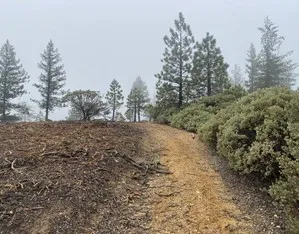
Fuels Reduction
Mastication moderates fire behavior by redistributing small trees and understory vegetation (i.e., ladder fuels) into a layer of woody material on the ground (i.e., surface fuels). Masticating ladder fuels can break up vertical fuel continuity and reduce the chance that a fire can reach tree crowns. Mastication rearranges the fuel profile but does not immediately reduce the total fuel load on a site. Fuel load reduction occurs over time as the masticated fuel bed decomposes or when mastication is followed up by other treatments like broadcast burning.
Site Preparation
Mastication can help prepare a site for reforestation by shredding vegetation that would otherwise compete with planted tree seedlings. Mastication as site preparation is especially appropriate when competing vegetation is too large to treat by other means like herbicide or manual grubbing. Mastication can also process slash left over from a previous timber harvest. Rather than piling logging slash and burning it, mastication can return nutrients to the soil by creating a compacted layer of woody debris that decomposes over time.
Thinning
Mastication can be used to conduct precommercial thinning. Thinning reduces stand density to improve growth for residual trees, enhance forest health, recover potential mortality, or otherwise modify stand structure and composition. Due to narrower residual tree spacing, precommercial thinning requires more operator care and more flexible masticator equipment (e.g., small machines or boom-mounted cutting heads) to avoid damage to the trees left after treatment.
Management Considerations
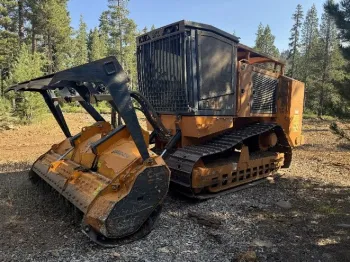
Equipment Type
Masticators shred vegetation into smaller debris using a rotating disc or drum. Excavators, skid steers, tractors, loaders, and dozers can all be mounted with masticating head attachments. There are many possible masticator configurations, but site characteristics and management objectives will dictate which style is most well-suited for a given project. To learn more about what type of equipment is right for your project, view the Mastication Considerations for Forest Landowners factsheet.
Operational and Safety Constraints
Equipment access requires roads, gates, bridges, and stream crossings at least 12 feet wide. At a minimum, road networks wide enough for a pickup truck may be accessible by a masticator. Topography on the project site dictates machine selection: rubber-tired models are restricted to even terrain under 30% slope, while tracked masticators can negotiate slopes up to 40-50%. Tethered equipment operated by experienced personnel can navigate steeper slopes >50%.
Fire season introduces heavy seasonal restrictions. Operations are often halted during summer heat or restricted to night shifts since sparks generated from blade contact with rock pose a critical wildfire risk. Experienced operators (ideally paired with ground recon) are essential to navigate steep ground, avoid concealed hazards such as barbed wire, and look out for fire starts.
Economic Limitations
Mastication is primarily designed for woody shrubs, small trees, and downed woody debris. While operators can theoretically process large standing trees with the right equipment, cost per acre rises exponentially as targeted tree diameter increases. Mastication of large standing trees is almost always cost-prohibitive and should be avoided unless there are no feasible alternatives that would achieve management objectives. Hardwoods also take more time and are therefore often more expensive to masticate than conifers.
What Are the Effects of Mastication?
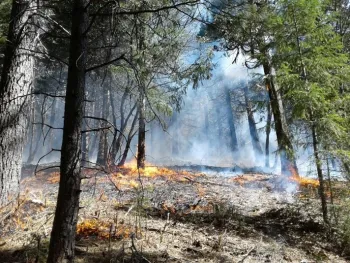
Effects on Fire Behavior
Fire behavior in masticated fuel beds is influenced by residual fuel load, depth, moisture, size, and arrangement of the masticated material. The amount of regenerating vegetation on-site (i.e., time since treatment) and environmental conditions at the time of the fire can also influence fire behavior. Woody surface fuel loads will always increase immediately following mastication, which can lead to more intense, slower-moving surface fires with shorter flame lengths. Densely packed masticated material can smolder for long periods of time, which can result in prolonged periods of soil heating, increased risk of damage to tree roots, and potential for embers to ignite fuels outside of the masticated treatment unit.
Effects on Soils
Appropriately applied mastication treatments can mitigate negative impacts on soils. The mulching effect of residual woody debris can help reduce erosion and lead to increases in soil moisture. Masticated material helps insulate the soil and lessen temperature extremes. Soil nutrients are generally not affected within treated sites, though there are some cases where plant-available nitrogen increased post-treatment. The extent of soil compaction by mastication equipment depends on multiple factors, including soil texture, soil moisture content, the frequency and extent machinery drives over the project area, and whether machinery drives over slash. While mastication is unlikely to result in widespread soil compaction, best practices including operating on dry soils, driving on slash, and minimizing the movement of machinery within the project area can help reduce likelihood of detrimental impacts.
Effects on Understory Vegetation
The impacts of mastication on understory vegetation depend on existing vegetation, fuel bed depth, and post-treatment site conditions. In forested areas, shrub and herbaceous plant cover can be reduced by mastication for 2-6 years post-treatment on average, with shade from residual overstory trees helping slow understory plant growth. Additionally, understory plant diversity can significantly decrease if masticated fuel bed depths are greater than 4 inches. In shrub-dominated areas, mastication results in full sun exposure at ground level and greater plant growth and diversity post-treatment. Regardless of vegetation type, mastication can trigger aggressive growth of resprouting tree and shrub species.
Introduction of invasive plant species can occur following mastication treatments. To minimize the impacts of invasive species, land managers can identify and treat potential invasive species populations around the treatment area prior to mastication, plan for post-treatment conditions that do not favor the establishment of undesired species, and ensure all equipment used is cleaned prior to entering the site.
Key Considerations
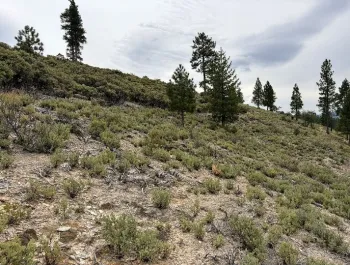
The feasibility and effectiveness of mastication depend on site characteristics, management objectives, and economic constraints. When deciding whether mastication is an appropriate treatment for your project area, consider the following:
Are topography and access conducive to heavy equipment operations?
Is there a high enough density of vegetation to justify the cost of mastication compared to alternative treatments (e.g., prescribed fire, hand thinning and piling, etc.)?
Is vegetation so dense that mastication would result in unacceptably high fuel bed depths across the site?
Can any commercial value be realized from merchantable timber or chipped material that would otherwise be masticated and left on-site?
Are there any factors (e.g., proximity to residential areas, air quality restrictions) that prevent the use of pile burning or broadcast burning?
Will understory vegetation response after mastication require follow-up treatment in the near future?
Additional Resources
Check out these mastication-related resources from UC ANR Fire Network Members!