

California has incredible ecosystem diversity, which is due to the range of climate, geomorphology, and vegetation that can be found across the state. Similarly, fire’s role in these ecosystems is equally diverse. The state can be divided into eight bioregions based on vegetation and fire regimes, or the patterns of fire size, occurrence, and severity in a given area. Use the resources below to learn more about the fire ecology and fire history of your region!
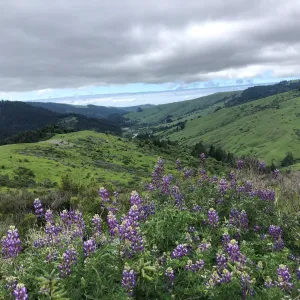
North Coast and Klamath Mountains
The North Coast/Klamath region is known for its rugged topography, steep slopes, and remote mountain ranges, both along the coast and in the Klamath Mountains. This bioregion contains many different ecosystems, including: coast redwood/Douglas-fir forests, lower elevation and coastal conifer forests, mid- to upper-elevation conifer forests, and oak woodlands.
Learn more about the fire ecology of the North Coast and Klamath Mountains here.
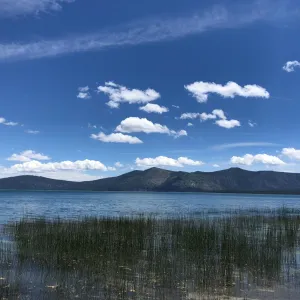
Northeastern Plateau
The Northeastern Plateau extends east of the Southern Cascade Range and south along the east slopes of the Sierra Nevada. This bioregion contains many different ecosystems, including: sagebrush steppe, mixed-conifer forests, true fir forests, and subalpine forests.
Learn more about the fire ecology of the Northeastern Plateau here.
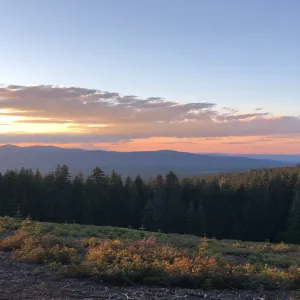
Southern Cascades
The Southern Cascades is bounded on the west by the Sacramento Valley and the Klamath Mountains and on the east by the Modoc Plateau and Great Basin. This bioregion contains many different ecosystems, including: foothill conifer and oak woodlands, sagebrush, mixed-conifer forests and their drier, eastside counterparts, true fir forests, and subalpine forests.
Learn more about the fire ecology of the Southern Cascades here.
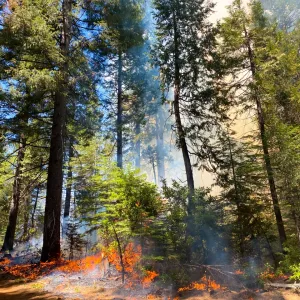
Sierra Nevada
The Sierra Nevada extends from the Southern Cascade Mountains in the north to the Tehachapi Mountains and Mojave Desert in the south. This bioregion contains many different ecosystems, including: foothill shrubland and woodlands, mixed-conifer forests and their drier, eastside counterparts, true fir forests, subalpine forests, and alpine meadows and shrublands.
Learn more about the fire ecology of the Sierra Nevada here.
Central Valley
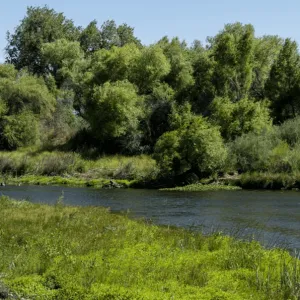
Lying between the Sierra Nevada and the Coast Ranges, the Central Valley is one of the most defining physical features of California. This bioregion contains many different ecosystems, including: foothill woodlands, valley grasslands, riparian forests, freshwater marshes, and saltbush/desert scrub.
Learn more about the fire ecology of the Central Valley here.
Central Coast
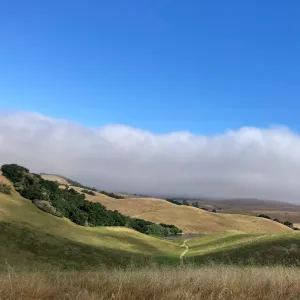
The Central Coast comprised of several rugged mountain ranges with large valleys in between. This bioregion contains many different ecosystems, including: coastal prairie, coast redwood/Douglas-fir forests, closed-cone conifer forests, interior coast ranges, maritime chaparral, and oak forests/woodlands.
Learn more about the fire ecology of the Central Coast here.
South Coast
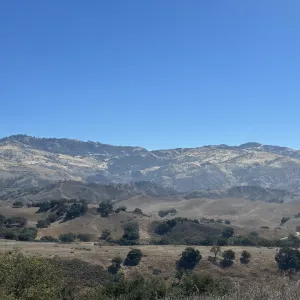
The South Coast includes the Southern California coast and the Mountain and Valley sections of Southern California. This bioregion contains many different ecosystems, including: California sage scrub, chaparral, conifer forests, grasslands, and oak woodlands.
California Deserts
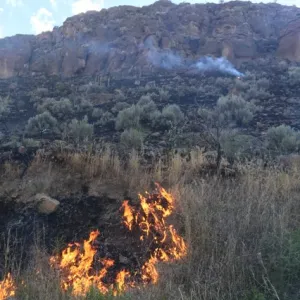
California’s desert region extends from the east slope of the Sierra Nevada to the California border. This bioregion contains many different ecosystems, including: low-, mid-, and high-elevation deserts, montane forests, and desert riparian zones.
Learn more about the fire ecology of California's deserts here.