
Thank you for joining the Napa County Master Gardeners this week as we observed World Soil Day. We hope you learned more about the importance of soil health and will incorporate some of the tips in your garden practices. To further explore the benefits of healthy soil here are two recommended books you can check out at the Napa County Library. Good Soil: The Education of an Accidental Farmhand by Jeff Chu And The Permaculture Garden: A Practical Approach to Year-round Harvests by Huw Richards We look forward to seeing you at our next public workshop!
Image 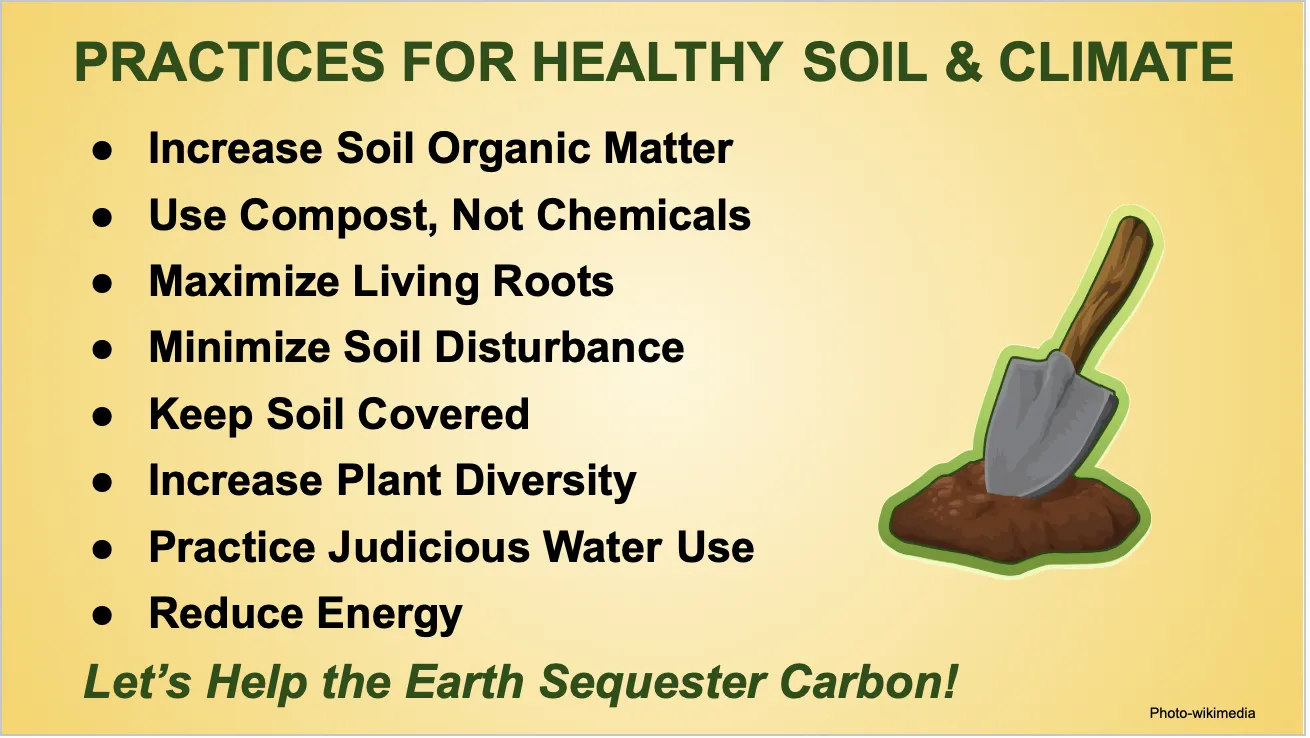
|
Happy World Soil Day! Today is World Soil Day, an annual observance to focus our attention on soil health and its importance in sustaining life on our planet. As we’ve mentioned before, soil is where food begins, but healthy soil also contributes to biodiversity, climate resilience, and even small local water cycles. Our tip today will offer insight on compaction and erosion and its effect on soil health. Soil compaction is one of the most common and potentially harmful problems that will occur in soil. Signs that your soil is compacted are: standing water or ponding, slow percolation of water into the soil, runoff from rain or irrigation, stunted growth, tree roots growing at the surface, and difficulty digging or penetrating the soil. Before you establish a new garden area or redesign an existing area, it’s beneficial to determine if a compaction problem exists. If working with a landscape company, discuss having a soil texture test and testing for infiltration rate. Or you can also test yourself by visiting the UC IPM website. UC IPM Soil Percolation Rate Test Promoting healthy soil practices in commercial agriculture is vitally important. Soil degradation and the erosion of healthy topsoil are major threats to agricultural croplands globally. Poor farming methods and the loss of active soil biome have resulted in greater erosion from wind and water, loss of soil fertility, and reduced crop yields, leading farmers to invest in chemical fertilizers which further reduce the soil’s natural balance and fertility. Degraded soil also causes significant environmental damage by releasing stored carbon, contributing to greenhouse effect. In our gardens we may see indicators of erosion by observing: exposed tree roots where leaf-blowing and water have pushed away the soil, cracks and ruts that appear on the soil surface, garden areas that feel soft or spongy, wet spots that linger, or water pooling long after the rain has stopped. The effects of compaction and erosion reduce the soil’s porosity, the amount of pores or air space between the soil particles. Soil with reduced air space between the soil particles will deprive the plants’ feeder roots, leading to stunted growth. Most plants will die in soil that is overly compacted or saturated with too much water. Maintaining the soil structure is very important for soil management. Remember soil management best practices: avoid tilling your soil, plant cover crops, biodiversity above equals biodiversity below, and increase organic matter. Here's a fascinating short video about the connection between soil health and climate resilience: Desert or Rainforest - https://youtu.be/mf4jwkhCk_A?t=10
Image 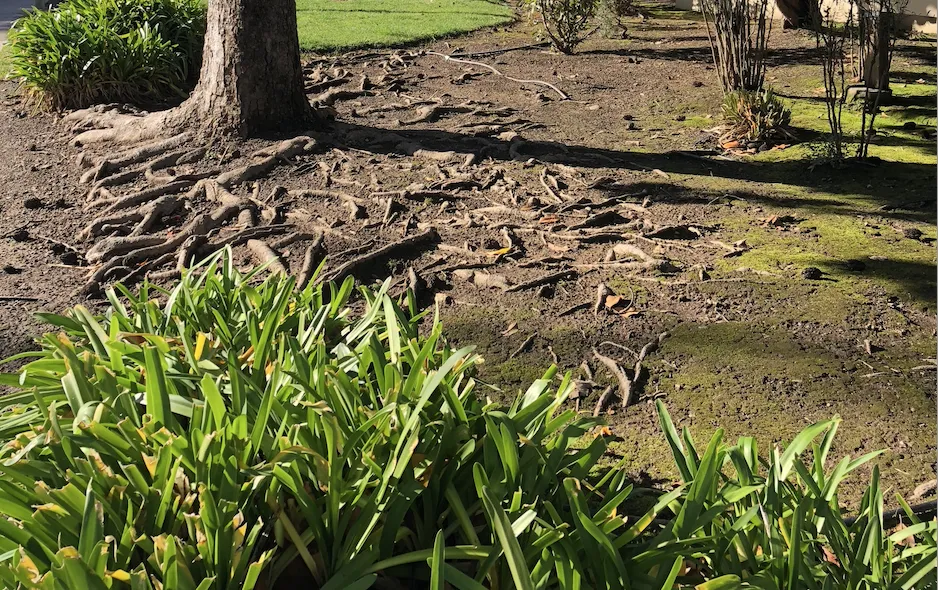
|
How to Enhance Soil Organic Matter Soil is a living ecosystem and improving the soil organic matter (SOM) will support the necessary living organisms. Soil organic matter will also improve the soil texture. If you tried the “hands-on” feel test we suggested on Day 2, you may have discovered your soil is disproportionally high in clay. You may have also noticed your soil is cracked and dry in summer, or is difficult to dig. Or maybe you have noticed water tends to pool, or drain slowly. If on the other hand, your soil is sandy the water will drain quickly leaving the plant unable to absorb enough water. The value in organic materials is not just the nutritional value but the beneficial effects on the soil’s physical properties, improving water infiltration and nutrient holding capacity, and adding micronutrients. One of the most important reasons to add organic matter is to help the soil accept and store water. What are some common organic amendments to use? Both fresh and composted organic material are helpful. Use compost from your home compost, or buy from Napa Recycling & Waste Services. If using manure, ensure you use aged, composted manure only. One of the easiest amendments to use is leaves. With the waning daylight hours of fall, our deciduous trees are slowly dropping their leaves. Mulching your garden beds with 1-2 inches of leaves adds organic matter and protects the soil from the impact of heavy rains, and it helps to suppress weeds. Using compost is also important for our environment. Avoid using a chemical based synthetic fertilizer. It won’t improve soil health and the runoff into our streams and rivers is harmful for fish and our groundwater. If you want to learn more about compost, register for our next Compost workshop scheduled for March 28, 2026. The Napa County Master Gardeners Compost team offers workshops throughout the year, so if you miss the March, there will be more throughout the summer and fall. Check our website for other upcoming events.
Image 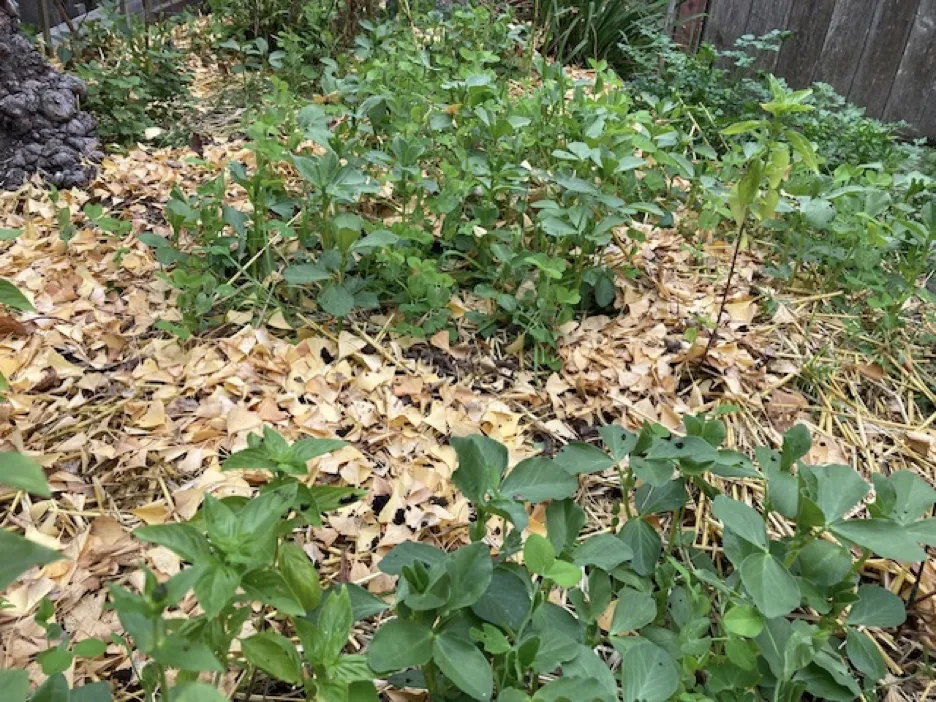
|
How to Best Manage Your Soil. Plant diversity above the ground helps cultivate biodiversity below the ground. Using a variety of plants in your garden is not just visually appealing, it provides food, shelter, and support for a range of pollinators, wildlife, and insects who benefit from the diversity. Below the ground surface, a variety of plants offer different root structures supporting a variety of organisms. Deep tap roots can help break up soil heavy in clay and once established are more drought tolerant. Plants with more fibrous roots are efficient in absorbing nutrients and water from the topsoil and help stabilize plants with a dense network of roots, protecting the soil from erosion. Plant roots create a relationship with the microorganisms in the soil and break down organic matter which provides nutrients to the plants. A few other tips to incorporate for soil health: Avoid tilling your soil which can damage soil structure and disturb the beneficial microorganisms. Utilize companion planting, keep plants growing year-round to help feed your soil, and use cover crops throughout the year. Check out the California Native Plant Society to learn more about the benefits of growing native plants. https://www.cnps.org/gardening Here’s a quick and interesting video to learn more about building healthy soil. Cultivate Biodiversity in Your Garden: https://www.pbs.org/video/biodiversity-in-your-garden-8kpxqv/
Image 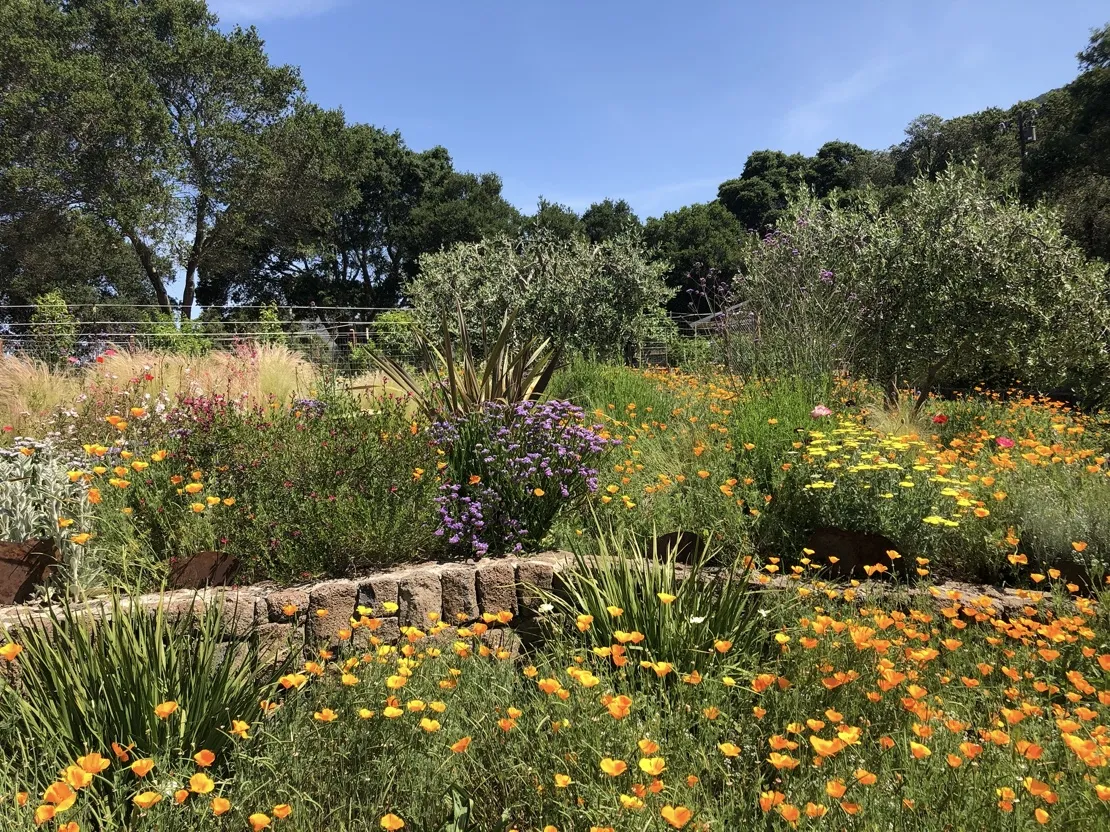
|
How do I tell if my soil is healthy? Before we dig into testing your soil health, let’s touch on soil texture. Soil texture is the composition of sand, silt, and clay mineral particles in your soil. This is important to know because the physical properties determine tilth. Tilth is the physical condition of the soil in relation to its ability to support plant growth. A simple test is the “hands-on feel” test. Start with a bit of moist soil and simply rub the moist soil between your thumb and forefinger and notice its characteristics: how it ribbons or is pushed out into a thin strip, how it hangs together, and how sticky, smooth or gritty it feels. Sandy soil feels gritty and will not form a cohesive ball. Silt feels smooth when dry and slippery when wet. Clay is sticky and able to be molded when wet but becomes hard and compacted when dry. Knowing the soil texture is important because it influences water retention, drainage, nutrient availability, and plant growth. UC Davis GEO - Hands on Feel Test Now for some fun – if you’re wondering if your soil is healthy, you can take the Soil Your Undies Challenge. Volunteer Gardener https://www.youtube.com/watch?v=pGSZlHiJNrY 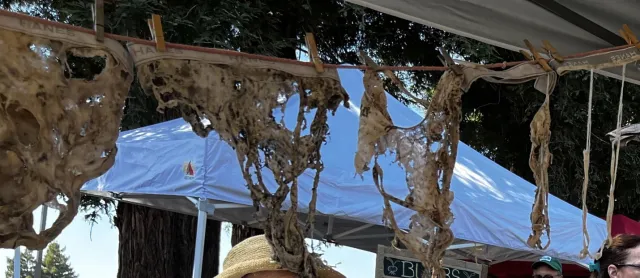 |
“The nation that destroys its soil destroys itself.” Franklin D. Roosevelt, 1937 What is soil? Isn’t it just dirt? Well, the main difference is dirt is dead, whereas soil is a living environment full of bacteria, algae, fungi, and other organisms. Dirt lacks the necessary components of healthy soil; it’s just the minerals, without enough organic matter, air, and water to sustain the living organisms that stabilize the soil and convert its nutrients into forms plants can use. Because soil is a living ecosystem it requires managing so that it can continue to sustain and support plants, animals, and humans—all of life on earth. Throughout this week we will be providing researched based information on how to improve and care for your soil. Join us tomorrow to learn about caring for your soil. For fun here is a link to test your soil knowledge. Soil-net.com (Soil for Schools) https://www.soil-net.com/legacy/schools/quiz/soil_quiz.htm 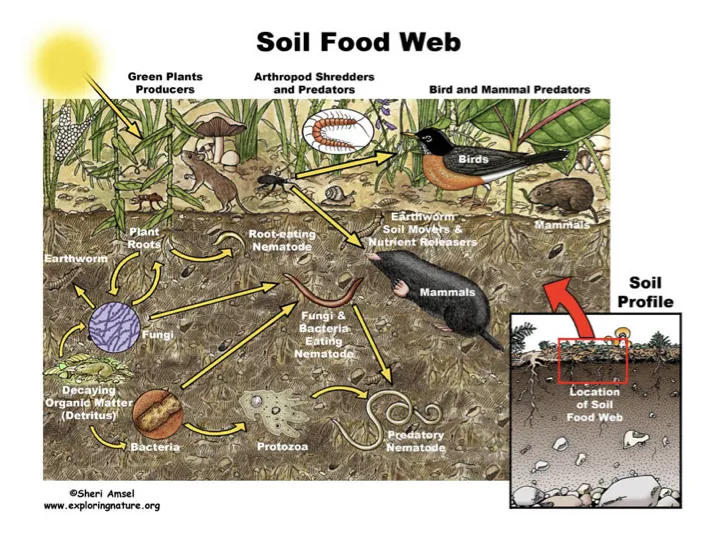 |
World Soil Day? What is World Soil Day?We celebrate World Soil Day every year on December 5. This international day to celebrate soil was recommended by the Union of Soil Sciences in 2002. However, it took until 2013 for the Food and Agriculture Organization of the United Nations (FAO) to endorse the concept. It was finally given the official date of December 5 by the UN General Assembly in 2014. As advocates of healthy gardens and healthy communities, Master Gardeners celebrate by promoting sustainable management of soil resources and healthy soil because that is where food, and life begin. Join the celebration by visiting Napa County Master Gardeners website (www.napaucanr.edu) each day this week to learn a healthy soil and garden tip. Image 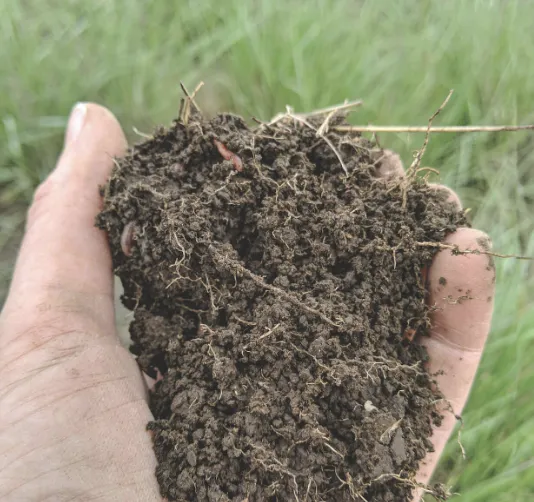 |

UC Master Gardeners • Napa County