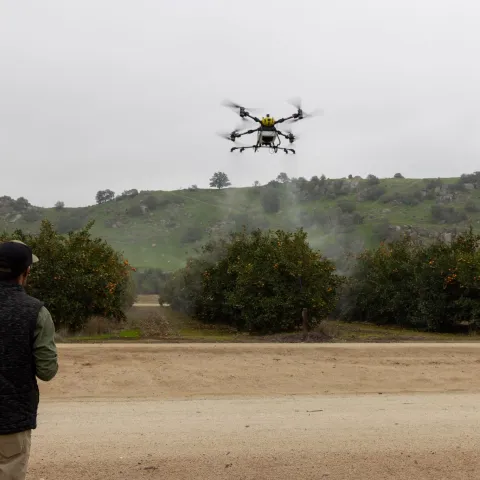
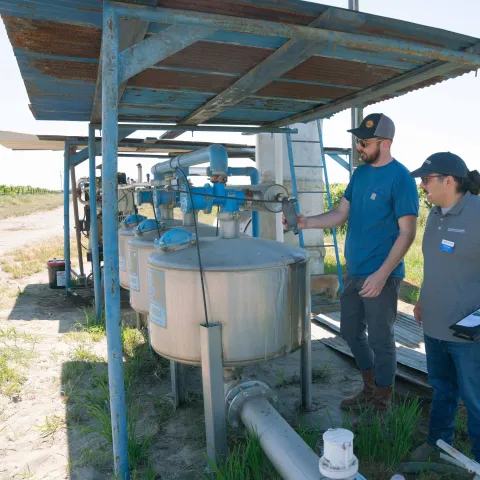
The public is invited to see how drones are transforming farming through precision applications, mapping, spraying and innovative field practices at UC Kearney REC
Follow these tips for the month of August to prevent pests in your garden and landscapes. To see tips more specific to your region, visit the Seasonal Landscape IPM Checklist on the UC IPM website. Manage ants around landscapes and building foundations using insecticide baits and trunk barriers…
Trees are long-lived resources that provide environmental, aesthetic, and community benefits. When a tree shows signs of decline, damage, or pest infestation, it is common to seek help from a tree care professional. While professional tree care is essential in many situations, the quality and appropriateness…
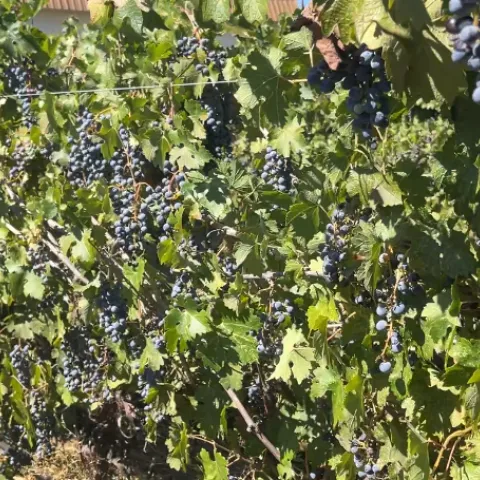
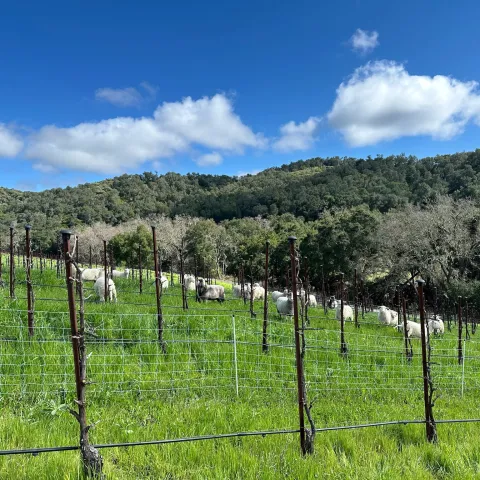
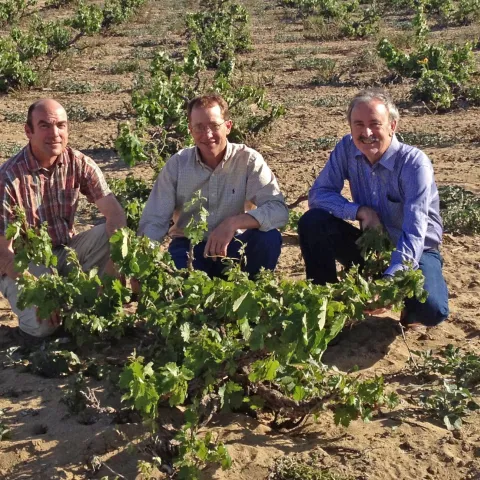
A UCCE viticulture advisor is studying vineyard “mothballing,” which entails maintaining vines with minimal inputs, while aiming to return to production in the future.
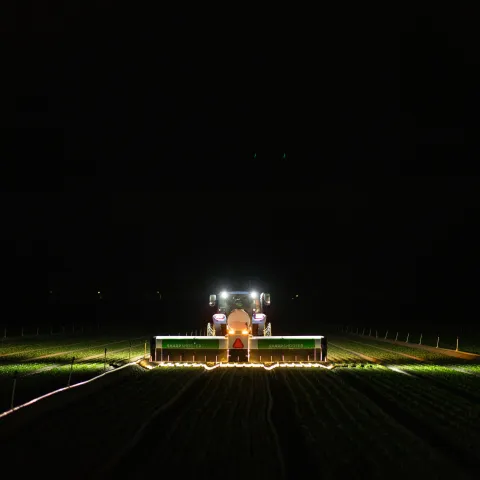
Growers, pest control advisers, researchers, commodity group representatives and other ag professionals are invited to a UC ANR Connect Field Day on Aug. 6 (9:30 a.m.-12:30 p.m.), at Sabor Farms.
Researchers at the UC Small Farms Network and the Community Alliance with Family Farmers document the challenges facing small-scale farms with groundwater regulations.
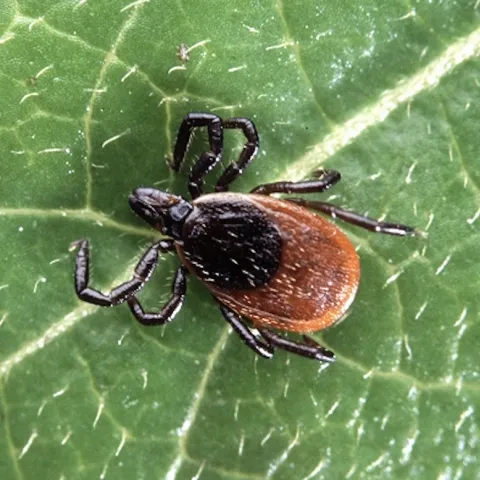
Blood-sucking ticks can spread bacteria and other germs when they bite, causing diseases like Lyme disease in people and pets. Fortunately, a few simple precautions can go a long way in reducing your exposure to ticks. Preventing Tick BitesTicks are efficient hitchhikers—they can easily latch on to your…
ARE Update explores whether California's emerging bioeconomy could create new value from the state's biological resources while strengthening rural economies.
UC researchers tested processed foods marketed as containing avocado oil and found 48 of the 54 avocado oil-labeled products were adulterated with cheaper oils.
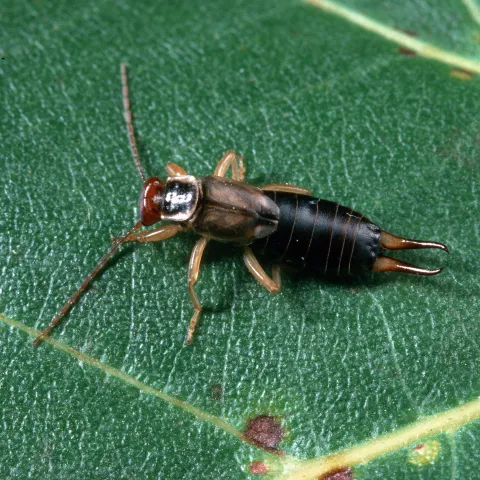
Earwigs, sometimes also called pincherbugs, can be damaging or just a nuisance around our homes and gardens. While these insect pests aren’t harmful to humans, they can cause quite the ruckus in home gardens. The most common species found in California is the European earwig, Forficula auricularia. This…
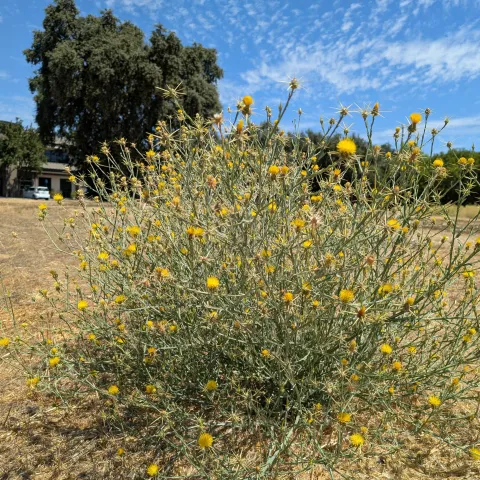
Yellow starthistle is a spiky, fast-growing, invasive weed in home landscapes, parks, rangelands, roadsides, and natural areas. It outcompetes other plants by growing in impenetrable stands and depleting soil moisture. It's also highly flammable which increases the risk of wildfires where it's growing. …
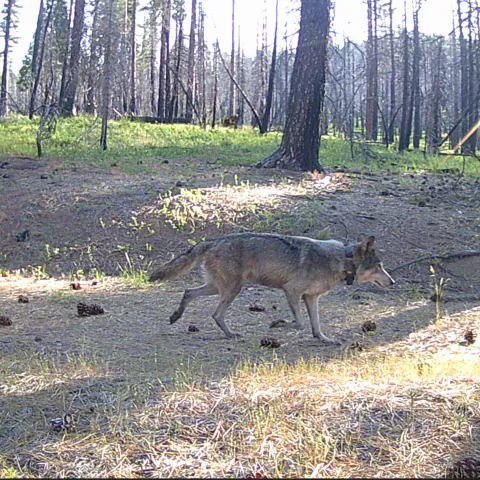
Two new studies of gray wolves in California suggest that wolves eat cattle more than anything else and the presence of the predators causes significant stress among livestock.
A few strands of thin, feathery, green plants growing under the dock didn’t catch anyone’s attention last spring. But those strands spread quickly and within months the lake’s calm waters were tangled in mats of the feathery Eurasian watermilfoil, an aggressive aquatic plant that grows quickly and clogs…
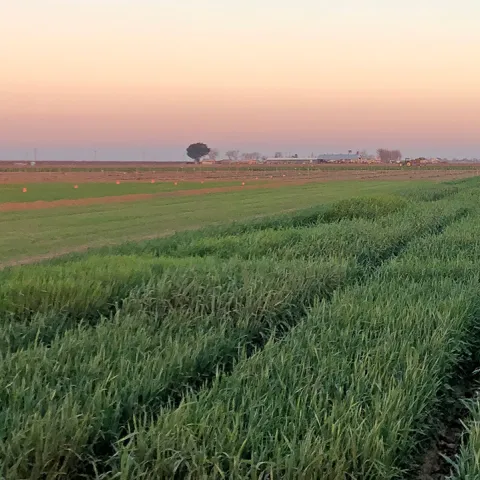
UC research shows farmland could remain viable if farmers plant winter grain crops. When managed properly, small grains can grow during the cool season, using little irrigation.
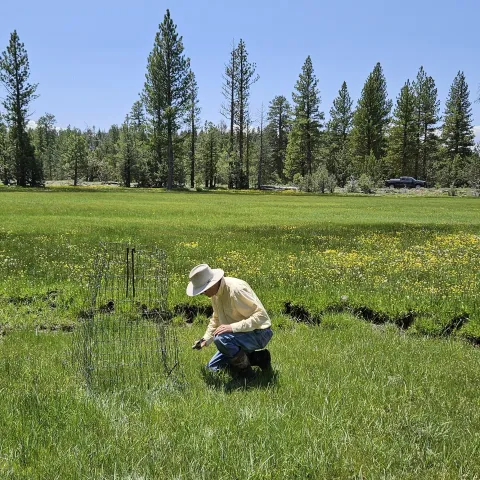
David Lile, UC Cooperative Extension natural resources and livestock advisor, retired on July 1, 2026, after 30 years of serving Lassen County residents.
Summer is in full force and while it's been quite hot in many parts of California, it's been very cool in others. That's why UC IPM's Seasonal Landscape IPM Checklist is a useful tool to help you figure out what to do in your region each month! Here are some general tips for keeping your landscape…
Larry Bettiga, UCCE viticulture advisor for Monterey, San Benito and Santa Cruz counties, is set to retire July 1. He shaped the wine industry across California and beyond.
It means different things to different people (See our working definition here). From backyard chicken-raising and beekeeping, to small-scale commercial farming on the edge of cities, urban agriculture is increasingly popular and is often in the news.
Image shows a garden in an urban city environment with a train passing over an overpass.
Benefits of urban agriculture
Urban agriculture can positively impact communities in many ways. It can improve access to healthy food, promote community development, and create jobs. A number of cities in California, including San Francisco, Los Angeles, and San Diego have recently updated municipal policies to facilitate urban agriculture, due to strong community interest. If you’d like to learn more about some documented impacts of urban agriculture, see Research.
Challenges of urban agriculture
Despite the benefits associated with urban agriculture, there are many challenges. Urban farmers routinely face issues related to zoning, soil, water access, and profitability, as a few examples. At the community level, noise and nuisance issues can come into play. This site is intended to share the research on both benefits and challenges, and best practices on how to address those as a farmer or local decision maker.
Who we are
UC ANR is part of the nation’s land grant university system, with more than a century of experience providing research-based knowledge to California farmers. This site offers resources that we’ve identified as most useful for urban farmers and local decision makers and stakeholders. Additionally, we are identifying gaps where resources need to be developed. Our team includes more than 15 experts, ranging from UC farm advisors, to agricultural economists, to urban planners and policy makers.