Range Improvements

Event Primary Image
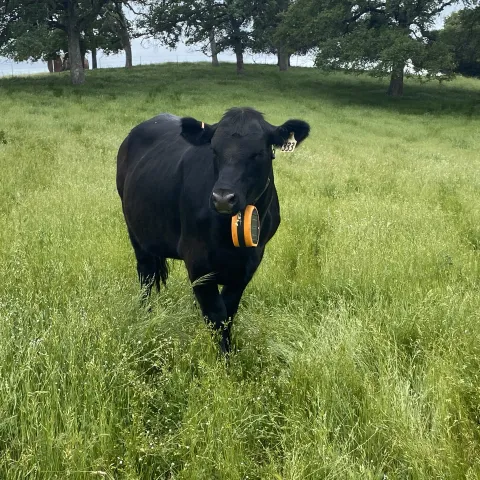
cow with virtual fencing collar stands in field
UCCE Central Sierra: Event

Central Sierra: Virtual Fence in the Real World

Event Date
Jan 27, 2026

Join UC Cooperative Extension Central Sierra, UC Davis, and the Brennan Ranch for a workshop focused on using virtual fencing systems on cattle operations in the Sierra region! Lunch will be provided. Please preregister so that we’ll have a correct count for lunch! Workshop topics will include an…
UCCE Central Sierra
View Event
Primary Image
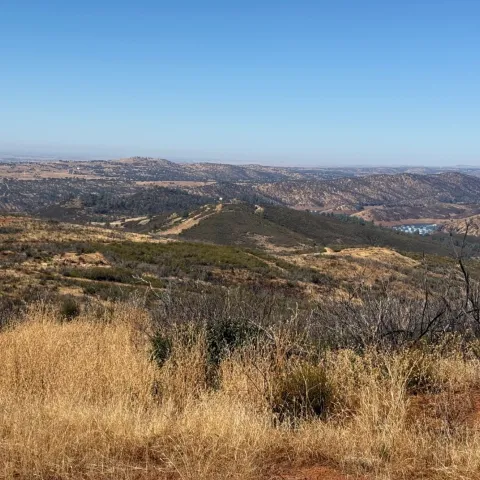
dry brush in front opens to landscape of hills covered by trees and rangelands. A lake is in the valley in the distance
UCCE Central Sierra: Article

Central Sierra: UCCE Researchers Bring Virtual Fence Technology to Local BLM Lands

February 25, 2026
By Scott R Oneto, Brian J Allen
Emerging Precision Agriculture Tool Improves Grazing Systems  For the past four years, UC researchers have been examining the usefulness of virtual fence (VF) technology on a multitude of landscapes across the Sierra Nevada. Virtual fencing is an emerging precision agriculture tool capable of improving…
View Article

Central Sierra: Introduction to Virtual Fencing for Livestock and Land Management

Primary Image
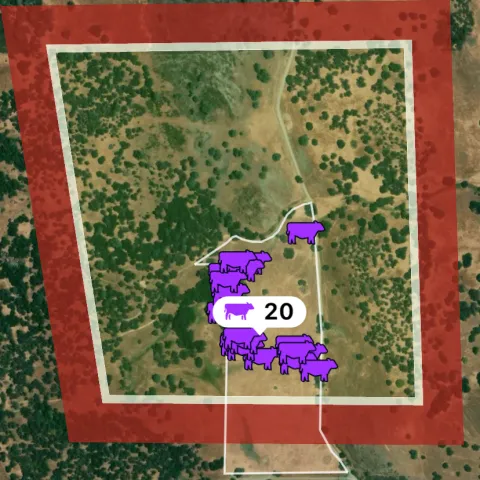
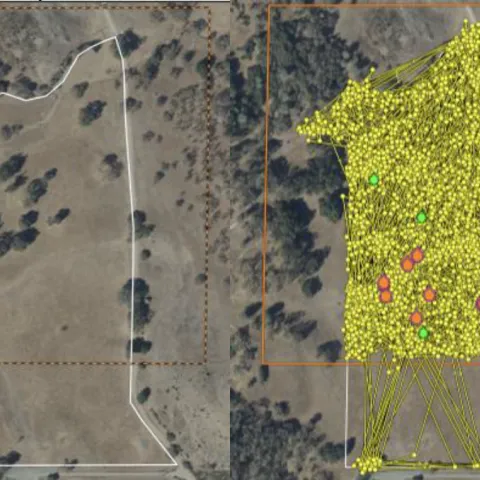
side-by-side image of virtual fence boundary and movement of heifers within it
Body

Virtual Fencing: A New Tool for Livestock and Land Management 

Virtual fencing (VF) is a precision agriculture tool gaining traction across California’s diverse rangelands. It uses GPS collars to contain livestock without physical fences. Producers set virtual boundaries across their pasture from a computer, which are transmitted to the collars. When an animal approaches the boundary, the collar emits audio cues and, if needed, mild electric pulses to keep the animal within the boundary.

Image
illustration of auditory zone and electric pulse zone in rangeland and close up of cattle with GPS collar

While not a replacement for a secure perimeter fence, VF can help position animals across a landscape with more intention and precision than traditional fencing. VF can be adjusted in minutes to meet the changing needs of livestock producers and range conservationists alike. 

Applications include:

• Targeted grazing to control invasive weeds
• Installing fuel breaks to reduce wildfire risk
• Automated rotational grazing
• Excluding livestock from sensitive areas
• Real-time livestock location tracking
 

With NRCS funding, the UC Cooperative Extension Central Sierra is researching VF applications on California rangelands. 

Contact Brian Allen (brallen@ucanr.edu) or visit our website to learn more!

UCCE Central Sierra