Pruning

UC Master Gardeners of El Dorado County: Article

Central Sierra: Pruning Effectively for Strong, Beautiful Trees

October 24, 2025
The Basics of Pruning Pruning isn’t just about keeping plants tidy, it’s about enhancing the health, structure, and appearance of your landscape. With the right tools and a little know-how, you can promote stronger growth, reduce disease, and even increase flowering in your trees and shrubs.Pruning…
View Article
Primary Image
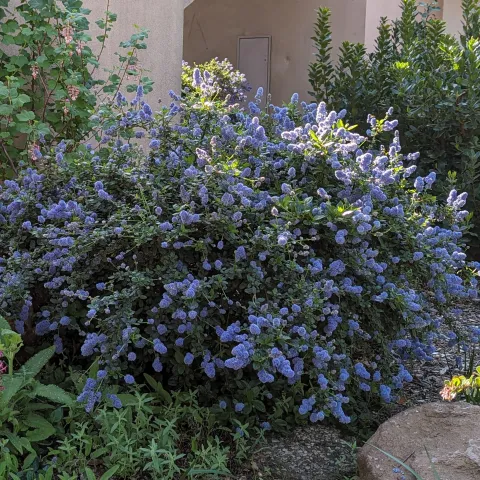
Ceanothus thyrsiflorus in bloom
UC Master Gardeners of San Mateo & San Francisco Counties: Article

Now is a Great Time to Prune Ceanothus (California Lilac)

July 26, 2025
By Cathrin Callas
Going by common names such as Blueblossom, California Lilac or Mountain Lilac, it's not surprising that Ceanothus are popular shrubs for many styles of gardens, with spectacular blooms in colors ranging from pale to very deep blue/purple or white. Blooming in late winter or spring, they are valuable early…
View Article
Primary Image
flower
UC Marin Master Gardeners: Document

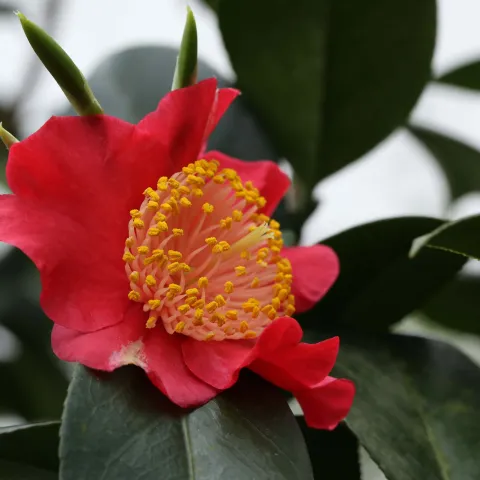
Pruning Camellia

 Scientific NameCamellia japonica; C. sasanqua; C. sinensisSpecial Considerations:Japonica buds set in later summer and bloom later from Winter to Spring.Sasanqua buds set in late summer and rest and open in the late fall to early winter.Sinensis buds set in the summer and bloom in the fall.The…
View Document
Primary Image
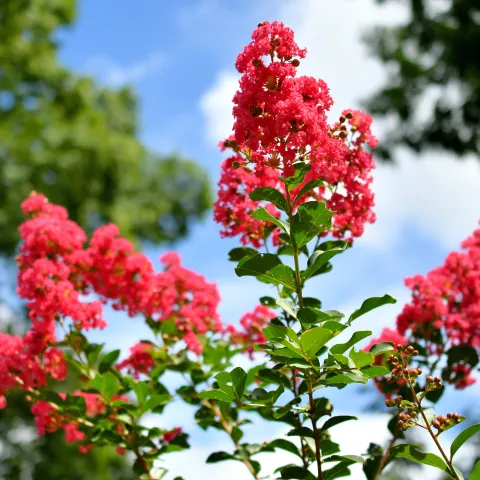
crape myrtle
UC Marin Master Gardeners: Document

Pruning Crape Myrtle

 Scientific NameLagerstroemiaThe natural habit of Crape Myrtles is to produce multiple trunks. However, they may be trained to become a single trunk tree. Trees with multiple trunks develop a wider canopy and carry a larger number of blossoms. However, single-trunk trees still produce a profusion of…
View Document
Primary Image
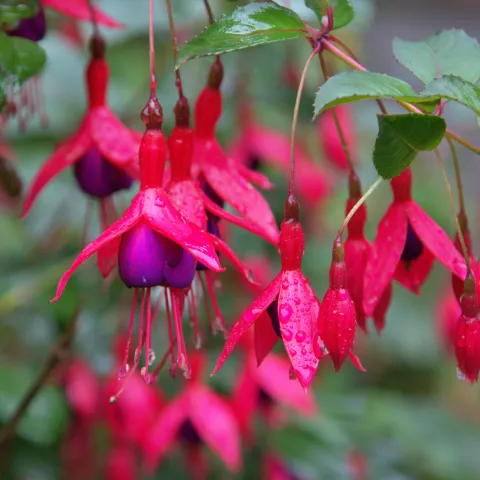
fuchsia
UC Marin Master Gardeners: Document

Pruning Fuchsia

 Scientific NameFuchsia spp.Fuchsia are susceptible to frost damage. Therefore, this guide recommends pruning in mid-March, after the threat of freezing temperatures has passed. However, some Marin locations seldom freeze at night, and some fuchsia varieties are very hardy. If frost damage is not an…
View Document
Primary Image
hydrangea quercifolia
UC Marin Master Gardeners: Document

Pruning Hydrangea - Mophead, Lacecap & Oakleaf Varieties

 Scientific NameH. macrophylla; H. serrata; H. aspera; H. quercifoliaThese hydrangea varieties bloom in the early spring on wood that formed during the previous growing season.Pruning is best performed in mid-summer, after the peak of the bloom. This timing is important, because it allows the plant to…
View Document
Primary Image
hydrangea paniculata
UC Marin Master Gardeners: Document

Pruning Hydrangea - Panicle & Smooth Varieties

 Scientific NameH. paniculata; H. arborescensThese hydrangea varieties begin to bloom in the mid-summer on wood that forms during the current growing season. They can bloom well into the fall.Pruning is best performed during the winter, before new growth begins.Removing spent blooms at the base can keep…
View Document
Primary Image
loropetalum
UC Marin Master Gardeners: Document

Pruning Loropetalum

 Scientific NameLoropetalum chinenseLoropetalum have two blooming cycles. They begin flowering in late winter (usually February) on old wood that formed during the previous growing season and cover themselves in masses of blossoms through March. They then bloom sporadically throughout the summer on new…
View Document
Primary Image
pittosporum
UC Marin Master Gardeners: Document

Pruning Pittosporum

 Scientific NamePittosporum tobiraAlthough the focus of this guide is on pruning, some gardeners shear their pittosporum. If a gardener chooses this method, then, just as for pruning, shearing should occur after the spring bloom. Shearing in the winter removes the flower buds.Pittosporum are susceptible…
View Document