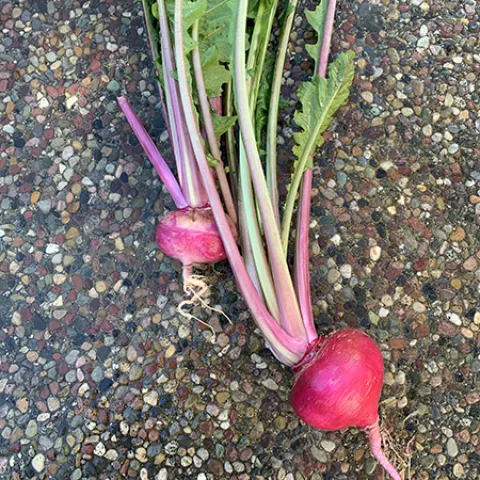
Turnips are a cool season root vegetable that grows best between 50 and 65°F. Higher temperatures may produce strong-flavored roots. The leaves are edible and are referred to as “turnip greens”.
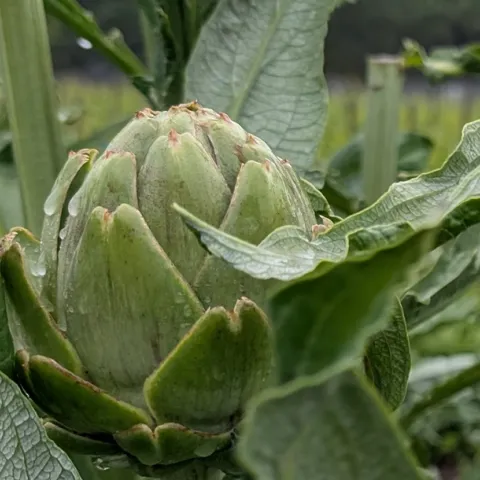
Food garden specialist growing tips for this Mediterranean native. This cool-weather perennial can be grown as an annual from seed or bareroot for Sonoma County home food gardeners. Learn how, what varieties do well in our climate and get growing tips.
UC Central Sierra programming includes virtual and on-line training as well as in-person classes and workshops in Amador, Calaveras, El Dorado, and Tuolumne Counties.
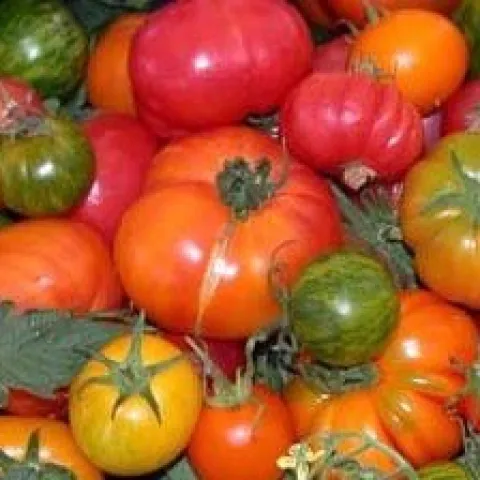
Tomatoes do best planted in full sun all day, although they will usually produce some crop with less. If your plants have had symptoms of disease in previous years, it is important to plant in soil that has not grown tomatoes or their relatives such as peppers or eggplants for three or more years.
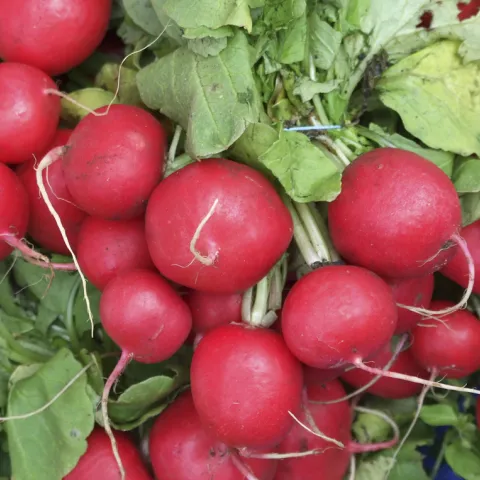
Radishes are grown for their crisp, spicy roots, but the entire plant is edible. The tops can be eaten like turnip or mustard greens, and some varieties are grown for edible seed pods.
Belgian endive can be successfully grown in Santa Clara County as a cool weather green. The plants need to be started in the summer. In late fall, they are harvested, trimmed, and transplanted into damp sand where they are kept cool and dark. Six plants will yield weekly salad greens from December through…
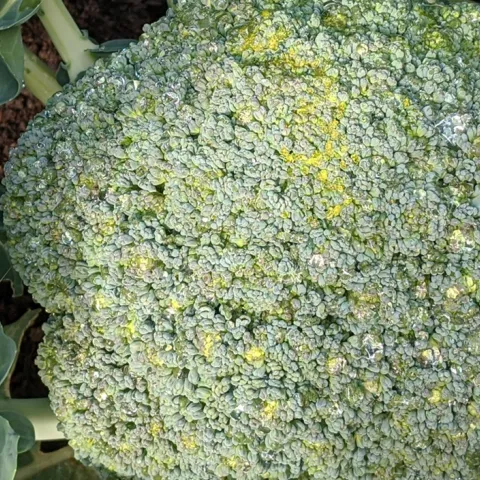
Broccoli, a member of the Brassicaceae (cabbage) family, has been under cultivation in Europe for centuries, but it wasnt until It was the 1920s that it was planted as a commercial crop in California where it is now grown nearly exclusively. In home gardens, broccoli is grown as a cool weather crop.
UC Marin Master Gardeners offer several educational programs targeted to children. Exploring Habitats is a field trip program designed for second graders that expose children to natural habitats and environmental awareness.
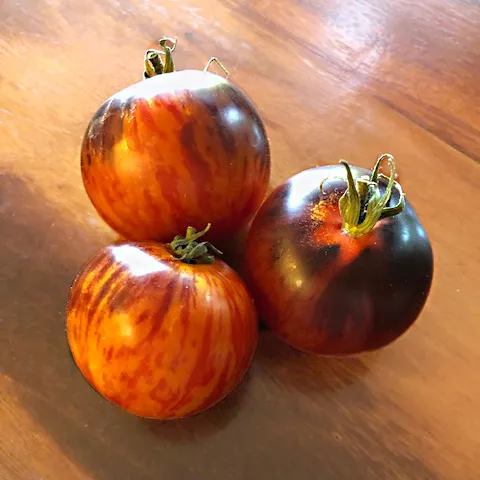
We invite you to join our public tomato trial and be a citizen scientist! Help us gather information by growing trial tomatoes in your garden and reporting the results.